
Best Cam Upgrade for 5.3 Silverado: The 2026 Street Truck Builder's Guide
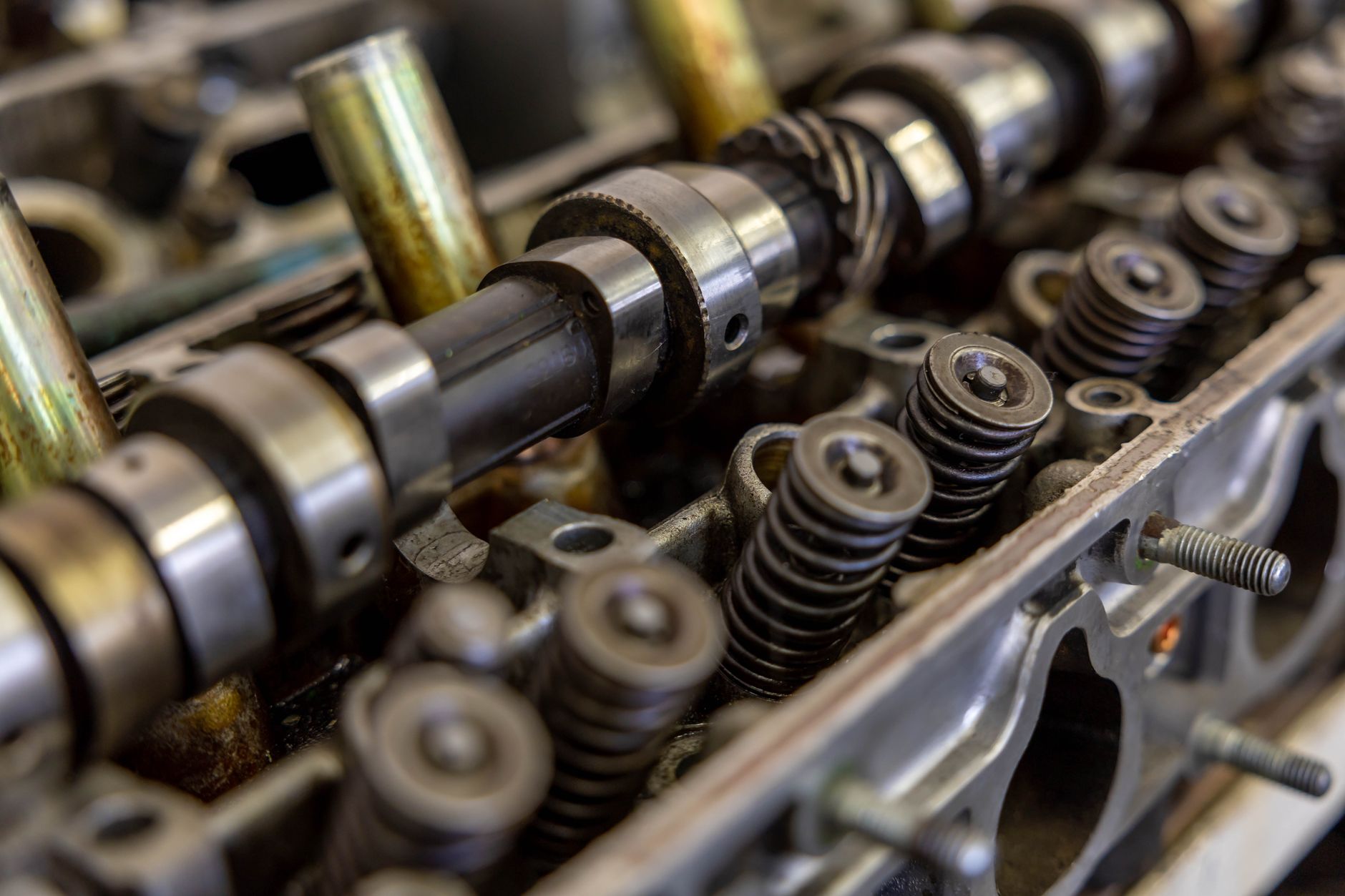
With GM’s 2026 Silverado refresh pushing more buyers toward used 5.3-powered trucks as affordable project platforms, the aftermarket cam scene is busier than it’s been in years. Fall is cam season — shops are booking dyno slots through October, and forums are flooded with the same question: what is the best cam upgrade for 5.3 Silverado owners who want real power without turning their daily driver into a bucking, surging mess?
The honest answer: there is no single “best” cam. There’s only the best cam for your truck — your gearing, your torque converter, your transmission, and how you actually use the thing. A cam that makes a stripped-down 2WD single cab feel like a muscle truck will turn a crew cab 4x4 on 35s into a gutless pig below 3,000 RPM.
This guide cuts through the catalog hype and helps you pick the right grind the first time — because at $400–$700 for the cam plus another $300–$600 in supporting parts, a wrong guess is an expensive one.
Why the 5.3 Responds So Well to a Cam Swap
The Vortec 5300 (LM7, LM4, L59, and later LH6/LC9 variants) is arguably the best cam-swap candidate GM ever built. Here’s why:
- The stock cam is tiny. Most 5.3s shipped with a cam around 191/190 duration at .050” — specs designed for emissions and a smooth idle, not power. There’s enormous headroom.
- Cathedral port heads love lift. The factory 706/862 heads flow surprisingly well up to .550” lift, which means a mild cam delivers outsized gains.
- The LS architecture is forgiving. No degree-in required for most drop-in grinds, and the valvetrain handles moderate duration without drama.
Real-world dyno data backs this up: a well-matched cam and tune on an otherwise stock 5.3 typically nets 40–70 wheel horsepower, with gains starting around 3,000 RPM and pulling hard to 6,500. That’s a transformation you feel every single time you merge onto the highway.
Matching the Cam to Your Truck’s Setup
This is where most builds go wrong. Before you look at a single cam card, answer these three questions honestly:
1. What’s your torque converter situation? The stock 4L60E converter stalls around 1,600–1,800 RPM. Any cam with more than ~212 degrees of intake duration will want a higher stall (2,800–3,200) to avoid a dead spot off idle. Budget $500–$800 for a quality converter if you’re going bigger.
2. What gears are in the rear? Trucks with 3.42s or 3.73s tolerate more duration than trucks on 3.08s. Big tires (33”+) effectively lower your gear ratio — factor that in.
3. Is it a daily driver? Be brutally honest. If you tow, haul, or sit in traffic, stay conservative. A cam that idles at 14” of vacuum behaves; one at 8” fights your brakes and your patience.
The Three Tiers: Pick Your Power Band
Tier 1 — The Stealth Grind (206/212 territory, .500” lift or less)
Think of this as the “GM should have shipped it this way” cam. Gains of 30–45 wheel horsepower, works with the stock converter, idles nearly stock, and won’t scare your transmission. Ideal for daily drivers, tow rigs, and trucks on factory gears. Many builders pair this with a simple valve spring upgrade and call it done — total parts cost under $800.
Tier 2 — The Street Sweet Spot (212/218 to 216/220, .550” lift)
This is the most popular category for a reason. Expect 50–70 wheel horsepower with a noticeable-but-manageable lope at idle. You’ll want a 2,800+ stall converter, and 3.73 gears make it sing. This tier is the answer for most people searching for the best cam upgrade for 5.3 Silverado street builds — big gains, still streetable, and emissions-friendly in most states with a proper tune.
Tier 3 — The Max Effort N/A Build (220+ duration)
Now you’re in weekend-warrior territory: 75–100+ wheel horsepower, a choppy idle that announces itself, and a mandatory converter, gears (4.10s ideal), valve springs, pushrods, and possibly a trunnion upgrade. Fuel economy drops 2–4 MPG. If your Silverado is a toy rather than a tool, this tier delivers the full muscle-truck experience.
Supporting Mods You Can’t Skip
A cam swap is never just a cam swap. Budget for these essentials:
- Valve springs: Factory 5.3 springs are done around .500” lift. A quality dual-spring or beehive kit runs $250–$400. Non-negotiable on Tier 2 and up.
- Pushrods: Stockers flex under increased spring pressure. Hardened 7.4” pushrods are cheap insurance at $100–$150.
- LS7 lifters and trays: While you’re in there — $150–$250 and eliminates a known failure point on high-mileage engines.
- Timing chain: A quality single-roller replaces the sloppy stock unit for under $100.
- Tuning: This is the big one. A mail-order or dyno tune is mandatory, not optional. Expect $300–$600 for a proper calibration that addresses idle quality, part-throttle drivability, and transmission shift points. A great cam with a bad tune drives worse than stock.
Total realistic budget: $1,500–$2,500 installed DIY, or $3,000–$4,500 at a shop. Anyone quoting less is cutting corners you’ll pay for later.
Common Mistakes That Ruin Cam Builds
After watching hundreds of these builds play out, the same failures keep repeating:
- Over-camming for the converter. The #1 mistake. Duration without stall speed equals a truck that falls on its face from a stoplight.
- Skipping the tune or buying a $99 “cam tune” off a forum. Idle surge, stalling at stops, and fried transmissions follow.
- Ignoring valve spring pressure on a high-mileage engine. Worn lifters plus new spring pressure equals a wiped cam lobe within 5,000 miles.
- Chasing peak numbers instead of area under the curve. A cam that makes 380 HP at 6,200 but nothing below 3,500 is miserable in a 5,000-pound truck.
Conclusion: The Right Cam Is the One That Fits Your Truck
The best cam upgrade for 5.3 Silverado owners isn’t the biggest number on a cam card — it’s the grind that matches your converter, gears, and how you actually drive. For most street trucks, a 212/218-style cam with a stall converter, fresh springs, and a professional tune delivers the best dollar-per-smile ratio in the entire GM truck aftermarket: 50–70 wheel horsepower, a healthy idle, and zero regrets.
Start by booking a conversation with a reputable cam grinder or tuner before you buy anything — most will spec a custom or off-the-shelf grind for free if you give them honest answers about your setup. Then gather your supporting parts, set aside a weekend, and give that 5.3 the voice it should have had from the factory. Your right foot will thank you every single day.