
Best Cam Upgrade for 6.4 Hemi: The 2026 Non-MDS Power Guide
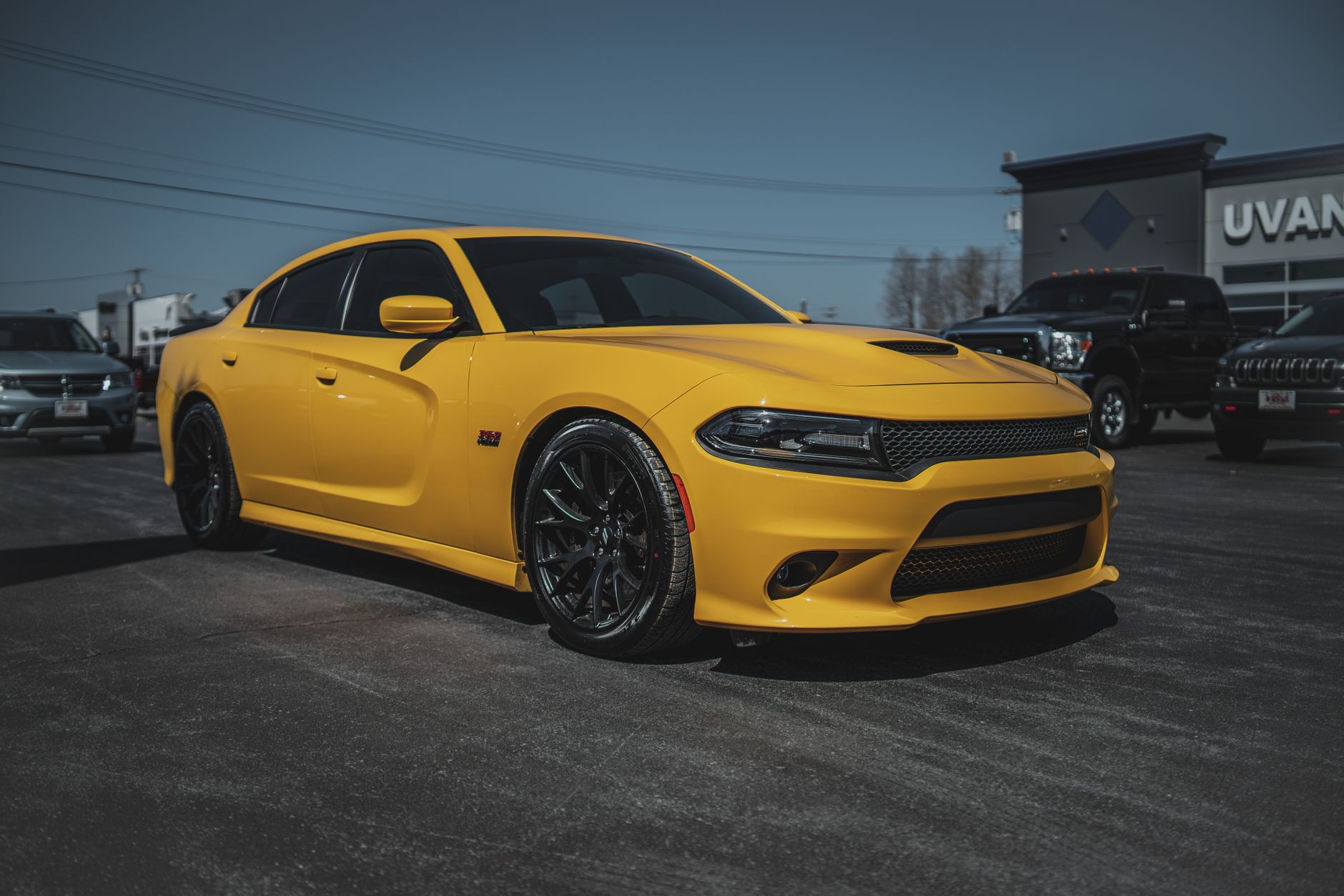
The 6.4 Hemi is having a moment in 2026. With Stellantis ramping up crate engine availability and the aftermarket finally catching up to the 392 platform’s potential, more owners than ever are pulling these big-inch V8s out of Challengers, Chargers, and Ram 2500s for serious street builds. But here’s the thing—choosing the best cam upgrade for 6.4 Hemi isn’t as simple as picking the biggest duration numbers and hoping for the best.
Unlike the 5.7 Hemi, the 6.4 came from the factory with more aggressive tuning, better heads, and a forged crank. That means your cam choice needs to work with a higher compression ratio (10.9:1), Variable Cam Timing (VCT) that can be tricky to tune around, and—depending on your model year—Multi-Displacement System (MDS) lifters that weren’t designed for aggressive lobe profiles. Get it wrong, and you’ll have a bucking, surging mess that makes less power than stock. Get it right, and you’re looking at 60-100+ wheel horsepower gains with a lope that’ll rattle windows.
Why the 6.4 Hemi Responds So Well to Cam Upgrades
The factory 6.4 cam is conservative. Really conservative. Chrysler spec’d it for emissions compliance, smooth idle quality, and compatibility with cylinder deactivation—not maximum power. Stock duration sits around 196°/201° at .050” lift with roughly .480” of valve lift. That’s fine for a daily driver, but it leaves a massive amount of airflow potential on the table.
The 6.4’s rectangular-port heads flow exceptionally well—around 320 CFM on the intake side at .600” lift—so the bottleneck isn’t the heads. It’s the cam timing. When you upgrade to a properly spec’d performance cam, you’re finally letting those heads breathe the way they were designed to.
Real-world gains from a cam-only swap (with supporting mods and tuning) typically run:
- Stage 1 cams: 40-60 hp at the wheels, minimal drivability loss
- Stage 2 cams: 60-80 hp at the wheels, noticeable lope, requires tuning expertise
- Stage 3 cams: 80-110+ hp at the wheels, aggressive idle, track-focused
The key is matching the cam to your actual use case. A cam that makes 650 hp on an engine dyno might be miserable in a 4,400-pound Charger sitting in traffic.
Understanding MDS and VCT: The 6.4’s Unique Challenges
Here’s where 6.4 Hemi cam swaps get complicated. If your engine came with MDS (most 2011+ models), those special lifters can’t handle aggressive cam profiles. The MDS lifters use oil pressure to collapse and deactivate cylinders 1, 4, 6, and 7. Put a performance cam with more lift and duration behind them, and you risk lifter failure, valvetrain damage, or worse.
Your options:
- MDS delete kit: Replace MDS lifters with standard hydraulic roller lifters and block off the oil passages (around $400-600 in parts)
- Non-MDS cam: Choose a cam specifically designed to work with MDS (limited options, compromised performance)
- Full conversion: Delete MDS, upgrade lifters, and tune it out of the PCM (most common approach)
Variable Cam Timing adds another layer. The 6.4’s VCT system can advance or retard cam timing up to 37 degrees, which is great for broadening the powerband—if your tuner knows how to work with it. Many budget tunes simply lock out VCT, which works but sacrifices low-end torque. The best approach is finding a tuner experienced with HP Tuners or DiabloSport who can map VCT advance curves to complement your new cam profile.
Top Cam Choices for the 6.4 Hemi in 2026
Let’s get into specific grinds. These are proven performers with real dyno data backing them up, not just marketing hype.
Comp Cams Stage 2 HRT (Hydraulic Roller Turbo): Despite the name, this cam works great in naturally aspirated 6.4s. Specs are 222°/234° duration at .050”, .617”/.625” lift, and a 115° LSA. It’s designed to work with VCT and makes peak power around 6,200 RPM. Expect 70-85 wheel hp gains with proper tuning. The lope is noticeable but not obnoxious—perfect for a street/strip car. Runs about $650.
Texas Speed 6.4 Hemi Stage 2: TSP’s 6.4-specific grind is 224°/230° at .050” with .600”/.575” lift on a 112° LSA. This cam is a torque monster—peak torque hits around 4,800 RPM and carries hard to redline. It’s aggressive enough to sound nasty at idle but civilized enough for daily driving if your tuner dials in the VCT properly. Gains of 65-80 hp are common. Price is around $580.
Livernois Motorsports Stage 2: Livernois designed this specifically for 6.4s keeping VCT active. Specs are 218°/228° at .050”, .600”/.585” lift, 114° LSA. It’s slightly milder than the Comp or TSP options, making it ideal for heavier vehicles like Durangos or Ram trucks. You’ll see 55-70 wheel hp gains with excellent street manners. Around $700.
Modern Muscle Xtreme (MMX) Custom Grinds: If you’re building something serious, MMX will spec a custom cam based on your exact combo—heads, intake, exhaust, gearing, and intended use. Their Stage 3 grinds can push past 100 wheel hp gains but require upgraded valve springs, pushrods, and expert tuning. Expect to pay $750-900 for a custom grind.
Supporting Mods You Can’t Skip
A cam swap isn’t just dropping in a new bumpstick and calling it a day. The 6.4’s valvetrain needs attention to handle aggressive profiles reliably.
Valve springs are mandatory. Stock springs float around 6,000 RPM with a performance cam. Comp Cams 26918 or PAC Racing 1218X springs are the go-to choices—both handle .650”+ lift and high RPM without issue. Budget $350-450 for a quality spring kit with retainers and locks.
Pushrods: Stock pushrods are fine for mild cams, but anything over .600” lift should get hardened chromoly pushrods. Manton or Smith Brothers make excellent 6.4-specific sets for around $200-280.
Lifters: If you’re deleting MDS, you need quality hydraulic roller lifters. Johnson 2110R or Morel 5320 lifters are proven in high-RPM Hemi applications. Don’t cheap out here—lifter failure will destroy your new cam. Budget $400-600 for a full set.
Tuning: This is non-negotiable. A 6.4 with a cam swap on a stock tune will run like garbage—surging, stalling, and throwing codes. You need a custom tune from someone who understands VCT mapping and can adjust fueling, timing, and cam phasing. Expect to pay $500-800 for a quality remote tune or dyno session.
Installation Tips and Common Mistakes
Swapping a cam in a 6.4 Hemi isn’t a weekend job for beginners. The front timing cover, water pump, and oil pan all need to come off. You’re looking at 12-16 hours of labor for a first-timer, or $1,200-1,800 in shop labor.
Critical steps people mess up:
- Degree the cam: Don’t trust the timing marks. Use a degree wheel and dial indicator to verify intake centerline. Even 2 degrees off can cost you 15 hp.
- Check piston-to-valve clearance: With aggressive cams, you need to verify clearance with clay or a light spring setup. Minimum .080” intake, .100” exhaust.
- Prime the oil system: The 6.4’s oil pump is crank-driven. Prime it before first start or you’ll wipe the cam lobes in seconds.
- Break-in procedure: Even roller cams need proper break-in. Vary RPM between 2,000-3,000 for the first 20 minutes, no idle, no load.
One mistake I see constantly: people install a huge cam, skip the torque converter upgrade (on automatics), and wonder why the car won’t hook or stalls at lights. If you’re running a cam with a powerband that starts above 3,000 RPM, you need a higher stall converter—2,800-3,200 stall minimum for street/strip setups.
Making the Right Choice for Your Build
So what’s the best cam upgrade for 6.4 Hemi engines in 2026? It depends entirely on your goals. If you’re building a daily-driven Charger that occasionally hits the drag strip, the Comp Stage 2 HRT or TSP Stage 2 will give you the best balance of power, sound, and street manners. If you’re building a dedicated track car or want maximum naturally aspirated power, talk to MMX about a custom grind matched to your specific combo.
The 6.4 Hemi platform has matured to the point where cam swaps are well-documented, parts are readily available, and tuners actually understand how to make them work. That’s a huge shift from even three years ago. With the right cam, supporting mods, and quality tuning, you can build a 500+ wheel horsepower street car that idles at a stoplight without overheating or fouling plugs.
Just remember: the cam is the heart of your build, but it’s only as good as the parts and tuning supporting it. Budget accordingly, choose a reputable tuner, and don’t cut corners on valvetrain components. Do it right the first time, and you’ll have a 6.4 that sounds mean, pulls hard, and puts a smile on your face every time you mat the throttle.