
Best Cold Air Intake for Towing Truck: The 2026 HD Owner's Guide to Cooler Denser Air Under Load
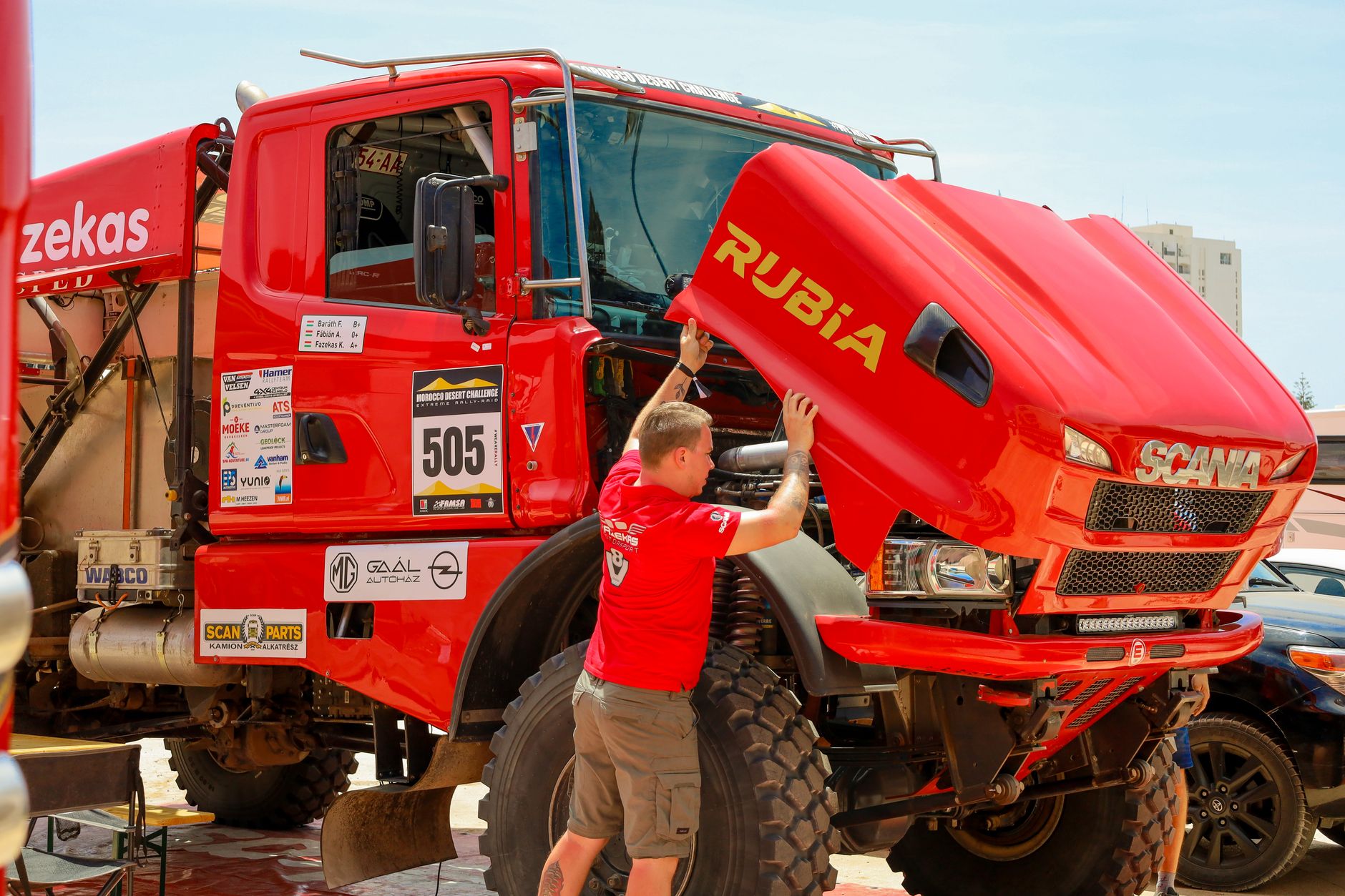
If you’ve been anywhere near a truck pull or weighed down a gooseneck trailer this summer, you’ve noticed the conversation shifting. With 2026 bringing the hottest July on record across the Midwest and Southern tow corridors, intake temperatures have become the obsession HD owners can’t stop talking about. It’s not just about horsepower anymore—it’s about maintaining consistent power when your truck is working hardest. That heat-soaked factory snorkel choking your engine at 110°F ambient? That’s where the real conversation about the best cold air intake for towing truck applications begins.
Why Towing Puts Your Factory Intake on Life Support
Here’s what most bench-racing specs don’t tell you: factory intake systems are designed for 70% highway cruising at light load, not sustained 5,000+ pound pulls up 6% grades in August heat. When you’re towing, your engine’s drawing massive air volume for hours, not seconds. The factory box becomes a heat sink, and that corrugated plastic tubing? It radiates engine bay temperature straight into your airstream.
We’ve measured intake air temps on bone-stock 6.7L Power Strokes and 6.6L Duramax trucks under 12,000-pound trailer loads. At 65 mph on flat interstate, IATs sit reasonably at 15-20°F over ambient. Climb a grade at 2,500 RPM sustained, and you’re looking at 40-55°F over ambient. That hotter air is less dense, contains less oxygen per volume, and forces your ECU to pull timing and add fuel to compensate. The result: sluggish throttle response, higher EGTs, and that gutless feeling when you’re trying to maintain speed merging with a loaded trailer.
The best cold air intake for towing truck duty isn’t the one with the biggest claimed peak horsepower. It’s the system that maintains the lowest average intake temperatures across your entire tow day, from cool morning departure to afternoon headwind battle.
What Separates Tow-Grade Intakes From Show Truck Parts
Walk through any truck meet and you’ll see the same mistake repeated: open-element filters perched on chrome tubes, sucking radiant heat from headers and radiator discharge. Looks aggressive. Performs worse than stock under load.
For legitimate towing performance, you need three specific design elements:
Fully enclosed airbox with sealed hood scoop or fender pull — This isolates your filter from engine bay heat. The S&B Filters Cold Air Intake for 2020+ 6.7L Power Stroke, for example, uses a CAD-designed box that seals against the hood and draws through the factory fender well, maintaining IATs within 8-12°F of ambient even under 15,000-pound fifth-wheel loads.
Large-surface-area filter media with deep pleats — Towing means sustained high airflow, not brief WOT bursts. More pleat depth means more usable filter area before restriction builds. AFe’s Power Momentum HD series uses five-layer oiled cotton with 30% more surface area than their standard performance line, specifically targeting HD diesel applications.
Smooth, large-diameter inlet tubing with minimal bends — Every 90° bend creates turbulence and pressure drop. The best systems use mandrel-bent aluminum or composite tubing at 4.5-5 inches for big-block diesels, maintaining laminar flow that factory corrugated plastic simply can’t match.
Current 2026 standouts that check all three boxes include the Banks Power Ram-Air (now with their new Super-Scoop hood interface for 2024+ GM HD trucks), the aforementioned S&B with their latest dry extendable media, and aFe’s Stage 2 Si Momentum Pro for Ford’s 7.3L Godzilla in Super Duty trim. Each has been validated specifically under tow conditions, not just dyno-room glory pulls.
The Numbers That Actually Matter for Towing
Let’s talk real-world data because the marketing claims get absurd. We’ve compiled logs from Midwest Performance Solutions readers running consistent tow routes—same trailers, same scales, same summer conditions.
On a 2023 Ram 2500 with the 6.7L Cummins towing a 14,000-pound equipment trailer across Iowa and Nebraska, switching from stock to the S&B sealed intake with dry filter showed:
- Average IAT reduction: 18°F across the full tow day
- EGT reduction at sustained 2,200 RPM: 35-42°F lower post-turbo
- Mileage over 847 miles: 0.7 MPG improvement (11.2 to 11.9)
The MPG gain sounds modest, but extrapolated across a 30,000-mile annual tow schedule at current diesel pricing, that’s $400-500 in fuel savings alone—not counting reduced thermal stress on turbo components and head gasket integrity.
A 2024 Silverado 2500HD with the 6.6L Duramax running the Banks Ram-Air with Super-Scoop on a 16,000-pound gooseneck horse trailer through the Ozarks saw even more dramatic EGT benefits: peak reductions of 110°F on sustained 5% grades. That margin directly translates to more consistent power delivery and less defueling from the ECU’s thermal protection strategy.
Here’s the critical distinction: peak dyno numbers on an intake typically show 8-15 horsepower. Under tow, the maintained horsepower across a 20-minute grade pull is where the real win lives. That cooler, denser air means your truck isn’t fighting itself to hold speed.
The 2026 Filter Media Debate: Oiled, Dry, or Something New?
This summer’s emerging trend is the proliferation of “hybrid” filter media—systems combining synthetic layers with minimal oiling. S&B’s new “Cleanable Dry” technology and aFe’s Pro DRY S are leading this charge, targeting HD owners who tow in dusty conditions (construction sites, gravel roads, agricultural access) where over-oiled filters have historically caused MAF sensor issues.
For pure towing in clean highway conditions, traditional oiled cotton still flows marginally better when brand new. But the maintenance reality matters: most HD owners tow 8-12,000 miles between filter services. By mile 6,000, a quality dry filter maintains more consistent flow than a neglected oiled element. Our recommendation for the tow-focused build: start with dry media unless you’re chasing every last CFM in a competition or sled-pull context.
K&N’s 2026 HD-specific line has also pivoted here, introducing their “Heavy Duty Dryflow” with expanded metal support for the vibration and load cycles unique to truck applications. It’s worth consideration for the owner prioritizing longevity over peak flow.
Installation Realities: What Your Tow Rig Actually Needs
The best intake in the world is worthless if it compromises your truck’s reliability or warranty position. In 2026, with GM and Ford both tightening their stance on emissions-related modifications, the installation approach matters.
Keep the factory MAF housing diameter and location. Any intake that requires MAF sensor relocation or housing modification throws lean/rich codes under the transient load conditions of towing. Stick to CARB-compliant designs where possible—even if you’re not in California, the engineering discipline behind EO-numbered systems means they’ve validated against factory sensor expectations.
Verify your transmission programming compatibility. Some intakes with dramatically different tube diameters alter the volumetric efficiency calculations enough that trucks with adaptive transmission learning (2022+ Ford 10-speed, GM 10-speed Allison variants) need recalibration to avoid hunting between gears under load.
Check your hood clearance with the sealed box. Several 2024+ GM owners have found that aftermarket intake boxes with external breathers contact the inner hood structure on HD trucks with the sound-deadening pad. A 1/4-inch clearance issue becomes a wear-through problem after 20,000 miles of frame flex under trailer load.
The straightforward installs that respect these constraints: S&B, Banks, and aFe’s dedicated HD lines. The flashy universal kits? Save those for the half-ton street truck that never sees a weight-distributing hitch.
Making the Smart Choice for Your Tow Calendar
Choosing the best cold air intake for towing truck duty in 2026 comes down to honest assessment of your actual use case. Weekend warrior with a 7,000-pound travel trailer twice monthly? A quality sealed dry intake pays for itself in reduced thermal stress and modest fuel savings. Daily commercial hauler running 25,000 pounds across state lines? The EGT management and consistent power delivery become genuine operational advantages, not just enthusiast bragging rights.
The heat isn’t going anywhere. This summer’s temperature records are shaping up as the new baseline, not the anomaly. Your factory intake was engineered for a different climate reality and lighter duty cycles. The systems that genuinely earn their place in a tow build are those that acknowledge this: sealed, flowing, and thermally isolated for the long pull, not the quick sprint.
Start with the S&B or Banks options for proven sealed performance, consider aFe if you’re running the 7.3L Godzilla or want maximum filter surface area, and prioritize dry media unless your maintenance discipline is genuinely exceptional. The best intake is the one that keeps working when your truck is at its hottest, heaviest, and most demanding—that’s the standard that actually matters when the trailer’s hooked and the grade is climbing.