
Best EV Performance Upgrades 2025: From Software Unlocks to Track-Ready Hardware
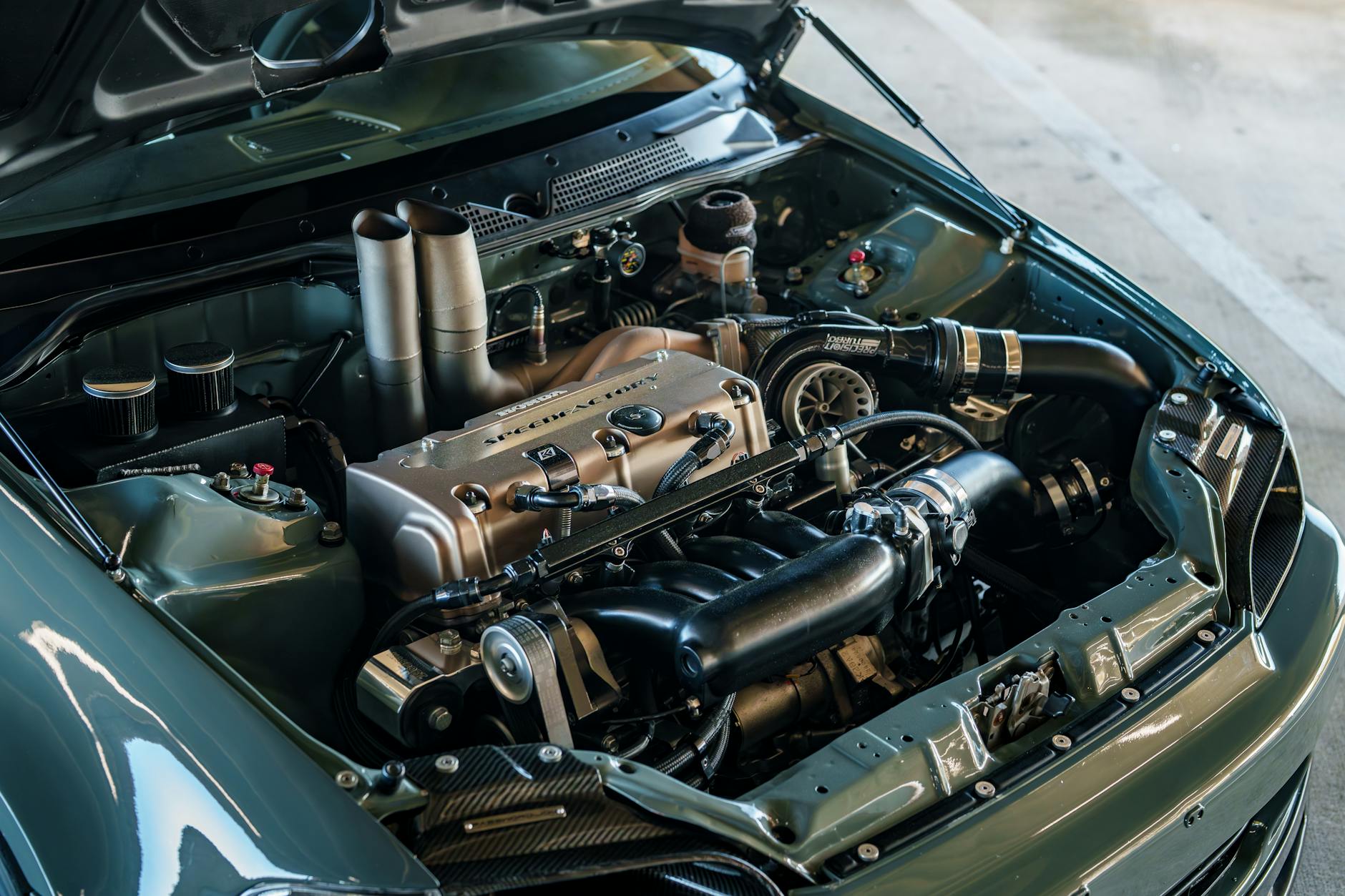
The 2026–2029 future vehicle pipeline is already rewriting what “fast” means. With Porsche’s Mission R concept bleeding into production EVs and Hyundai’s N Division confirming track-focused Ioniq variants, the factory performance bar keeps climbing. But here’s what’s happening right now: thousands of EV owners are discovering that 2025 is the breakthrough year for legitimate, warranty-friendly aftermarket upgrades. The best EV performance upgrades 2025 aren’t just about raw acceleration—they’re about transforming how your electric daily driver behaves on backroads, at track days, and during charging stops that no longer feel like lunch breaks.
Why 2025 Changed the EV Tuning Game Forever
Three years ago, modifying an electric car meant voiding your warranty and praying your battery didn’t thermal-throttle before the on-ramp ended. That’s flipped. Manufacturers have finally opened the door—some literally, through over-the-air updates, others reluctantly, as right-to-repair legislation gains traction.
Tesla’s $2,000 Acceleration Boost for Model 3 and Y proved customers would pay for software-unlocked performance. BMW followed with its M Performance software suite for the i4 M50. But the real story is the third-party ecosystem maturing around these platforms.
The numbers that matter:
- Cobb Accessport for Tesla now supports real-time battery monitoring with 22+ adjustable parameters
- Mountain Pass Performance sold out their Model 3 “Party Box” inverter upgrade three times in Q1 2025
- Track-prepped EVs with upgraded cooling systems are seeing 40-50% reduction in thermal throttling during 20-minute sessions
What’s different? Battery thermal management has become the bottleneck everyone finally acknowledges. The best EV performance upgrades 2025 target this specifically—not just adding power, but sustaining it.
Software Upgrades That Actually Deliver Seat-of-Pants Gains
Let’s kill the myth: not all EV software tuning is a scam. But you need to know which platforms are actually unlocked versus those running placebo marketing.
Verified performers:
| Upgrade | Platform | Cost | Real-World Gain |
|---|---|---|---|
| Tesla Acceleration Boost | Model 3/Y LR | $2,000 | 0.5s quicker 0-60 |
| Ingenext Boost 50 | Model 3 SR+ | $595 CAD | Unlocks paid features Tesla gated |
| BMW M Performance Software | i4 M50, iX M60 | $1,100 | 67hp, sharper throttle mapping |
| Hyundai N e-Shift | Ioniq 5 N | Standard/O TA | Simulated gear shifts, torque vectoring |
The catch nobody talks about: Repeated hard launches with software-only upgrades cook your battery faster. Tesla’s own data shows increased degradation rates for Boost-enabled vehicles driven aggressively. Pair software with hardware cooling, or you’re extracting tomorrow’s range for today’s thrills.
My recommendation? Start with logging. A $150 OBD-II tool with EV-specific protocols (like OBDLink CX for Tesla or Car Scanner for VW MEB platform) reveals whether your car is already thermal-throttling before you spend on upgrades.
The Hardware Upgrades Worth Your Garage Time
This is where Midwest Performance Solutions readers typically live—wrenching, measuring, iterating. EVs present unique challenges: 400V+ systems demand respect, but the fundamentals of better braking, cooling, and grip still apply.
Battery and Inverter Cooling
The Mountain Pass Performance “Party Box” for Tesla Model 3 Performance replaces the factory inverter with a higher-capacity unit and adds dedicated cooling loops. Track testers report consistent power delivery through full 30-minute HPDE sessions versus the stock car’s 8-10 minutes before limp mode.
For DIYers, the Kozmic Motorsports chiller plate system for VW ID.4 and Ioniq 5 mounts a secondary heat exchanger using the existing HVAC compressor. At $1,800 and a full weekend install, it’s not cheap—but it transforms these platforms for repeated acceleration runs.
Braking Beyond Regen
Regenerative braking handles 90% of daily deceleration, but track use exposes the truth: EVs are heavy, and factory brake pads are optimized for dust-free, quiet operation, not fade resistance.
StopTech SR-33 pads for Tesla Model 3 Performance and Pagid RSL29 for Porsche Taycan are the current sweet spots—aggressive enough for track days, civilized enough for the drive home. Pair with stainless brake lines; EVs’ instant torque delivery makes pedal feel modulation critical.
Suspension: The Unsung Hero
Here’s your unique angle: while our V8 suspension builds get all the glory, EVs actually benefit more from proper chassis tuning because of their mass distribution. A Tesla Model 3 Performance carries 1,847 lb over the rear axle—more than a loaded F-150 in some configurations.
MRP (Mountain Pass Performance) and Unplugged Performance both offer dual-rate springs that manage this mass without ruining ride quality. The MRP “Comfort Coilovers” use a softer initial rate for daily driving, firming progressively under load. Real talk: they transform the car’s willingness to rotate on throttle, something software alone can’t fix.
Charging and Range: Performance Upgrades Disguised as Practicality
The best EV performance upgrades 2025 include charging speed. Track day logistics collapse when you’re stuck at 50kW for 45 minutes between sessions.
Hardware solutions:
- Tesla CCS Combo 1 adapter (now standard on new vehicles, retrofittable to 2021+): opens 350kW Electrify America stations
- V2L (Vehicle-to-Load) upgrades: Hyundai/Kia’s factory system now powers trackside tire warmers and tools, eliminating generator logistics
- Preconditioning automation: Third-party apps like Tessie and TeslaFi now optimize battery preheating for charging stops based on real-time traffic, not just departure time
The 2025 breakthrough: Bi-directional charging hardware is finally arriving. Ford’s Intelligent Backup Power started the trend; 2025 sees Wallbox Quasar 2 and Emporia V2X units enabling EVs as track-day power stations. Run your tire inflator, cooler, and even trailer AC from your battery pack without range anxiety—because you’re recharging between sessions anyway.
Looking Ahead: What the 2026–2029 Pipeline Means for Today’s Upgrades
Here’s where that future context matters. Porsche’s confirmed 2026 Boxster EV and Hyundai’s N Vision 74 production version (likely 2027) will ship with 800V+ architectures, silicon carbide inverters, and factory track cooling. They’ll make today’s upgraded EVs look quaint.
But that’s precisely why strategic 2025 upgrades make sense. The aftermarket is learning on current platforms. Today’s inverter cooling solutions become tomorrow’s plug-and-play kits. Your investment in understanding EV thermal management—logging data, testing upgrades, building expertise—transfers directly.
More immediately, used EV prices have stabilized. A 2021 Model 3 Performance at $28K with $5K in thoughtful upgrades outperforms a new base Model 3 at $39K. The math works if you upgrade smart.
Conclusion: Build Your EV Performance Strategy Now
The best EV performance upgrades 2025 aren’t about chasing horsepower numbers on a dyno sheet that doesn’t exist for EVs. They’re about sustained performance—keeping your battery in its happy zone, your brakes consistent, your chassis responsive, and your charging stops brief enough that you actually use the capability you’ve built.
Start with logging. Add cooling if you track or repeatedly accelerate hard. Upgrade brakes before power. And remember: the 2026–2029 EVs coming down the pipeline will be faster, but they’ll also be heavier, more complex, and more locked-down. The window for hands-on, owner-driven EV performance building is right now.
What’s your platform? Drop your EV model in the comments—Model 3, Ioniq 5, Taycan, something else—and we’ll dig into the specific upgrade path that actually moves the needle for how you actually drive.