
Best Exhaust for Muscle Car Daily Driver: The 2026 Guide to Street-Friendly Sound
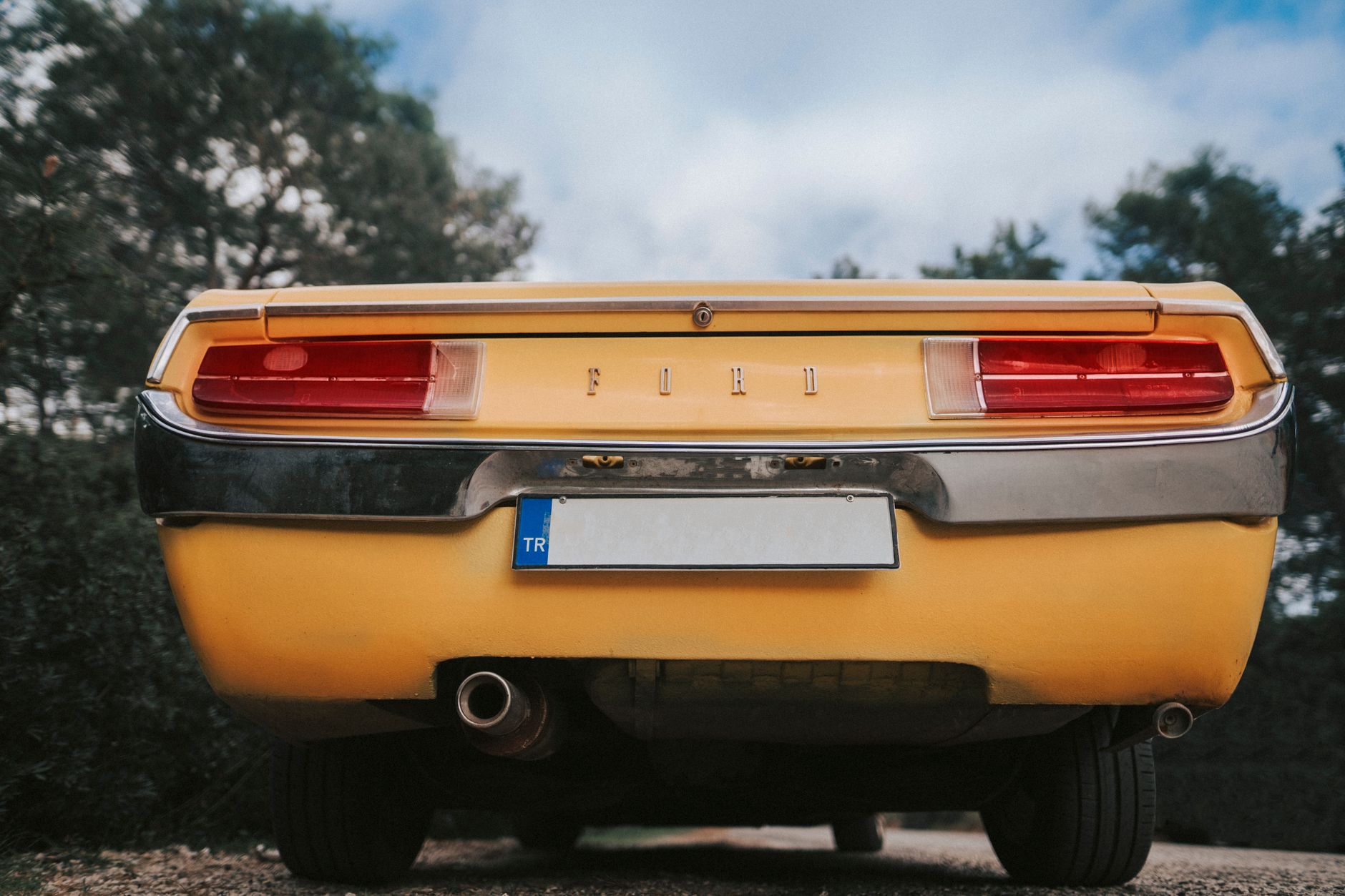
The muscle car world just hit an interesting inflection point. With Dodge’s final call on Hemi V8 production echoing through 2026 and Ford’s Mustang Dark Horse becoming the last naturally aspirated 5.0 holdout, enthusiasts are no longer treating these cars as garage queens. Instead, there’s a massive shift toward actually driving them—commuting, road-tripping, racking up miles while the getting’s good. That reality is reshaping the exhaust market in real time. The question isn’t “how loud can I go?” anymore. It’s about finding the best exhaust for muscle car daily driver duty: systems that deliver that visceral V8 character without making you hate your life at 75 mph with a coffee in hand.
Why Daily-Driven Muscle Cars Need a Different Exhaust Philosophy
Track-day exhausts and daily-driver exhausts live in two different universes. The former prioritizes WOT (wide open throttle) scream and weight reduction. The latter demands cruise-rpm civility, no interior resonance, and neighbor-friendly cold starts at 6:15 AM.
Here’s what changes when your Camaro SS, Mustang GT, or Charger Scat Pack sees 12,000+ miles annually:
- Drone frequency: Most V8s hit problematic resonance between 1,800-2,400 RPM—exactly your highway cruise range. Quality daily-driver systems use Helmholtz chambers, variable valve tech, or specifically tuned piping to kill this.
- Material durability: Daily drivers face salt, rain, and temperature cycling. 304 stainless steel isn’t just nice-to-have; it’s essential for longevity in the Midwest and Northeast.
- Tip finish: Black-coated tips look murdered-out for three months, then chalky and sad. Polished or brushed 304 holds up to actual use.
The best exhaust for muscle car daily driver applications isn’t the one that sounds nastiest on Instagram. It’s the one you’ll still love after 200 highway miles.
The Valve-Controlled Revolution: Best of Both Worlds
If you bought a muscle car in 2020 or later, there’s a decent chance it came with factory active exhaust (Chevy’s dual-mode, Ford’s Active Valve, Dodge’s Active Exhaust). The aftermarket has finally caught up in sophistication—and 2026 pricing has made these systems accessible.
Borla ATAK with S-Type integration remains the benchmark for daily-driven S550 and S650 Mustangs. Their patented “no drone” guarantee isn’t marketing fluff; it’s acoustic engineering. The system uses reflected wave cancellation inside the muffler case. Real-world testing shows interior decibel levels at 72-74 dB at 70 mph cruise—roughly equivalent to a modern family sedan with the valves closed, opening to 88-91 dB at full song.
MagnaFlow’s XMod series has emerged as the sleeper pick for Camaro SS and Challenger owners. Their modular design lets you swap between street (moderate), sport (aggressive), and race (track-only) baffles without cutting or welding. For daily drivers who occasionally autocross or hit Cars and Coffee, this flexibility justifies the premium. Expect to pay $1,400-1,800 versus $900-1,200 for a fixed configuration.
Corsa’s “Reflective Sound Cancellation” technology—yes, that’s actually trademarked—uses specific pipe lengths and angles to create destructive interference at targeted frequencies. Their Xtreme system on a Charger 392 delivers 95 dB at WOT but drops to 71 dB cruise. That’s not a typo. The physics works, and it’s why Corsa dominates the daily-driver conversation for Mopar platforms.
Cat-Back vs. Axle-Back: The Daily Driver Math
This decision trips up a lot of builders. Let’s cut through the forum debates with actual numbers.
| Factor | Axle-Back | Cat-Back |
|---|---|---|
| Cost | $400-700 | $1,100-1,900 |
| Sound change | Moderate | Significant |
| Weight reduction | Minimal (5-15 lbs) | Moderate (20-35 lbs) |
| Power gains | 3-5 HP typical | 8-15 HP typical |
| Drone risk | Lower (keeps factory resonator) | Higher without quality muffler |
| Installation complexity | DIY-friendly (2-3 hours) | Moderate (3-5 hours, may need lift) |
For strict daily drivers doing 15,000+ miles yearly with occasional spirited backroad runs, a quality cat-back with drone suppression wins. The power gains are real, the weight matters over time, and modern systems have solved the cruise-comfort problem. Axle-backs make sense for leased cars, warranty concerns, or budget builds where you’re planning a full header/cat-back/tune sequence in phases.
One specific tip: if you’re running long-tube headers (and you should be, eventually), factor that into your cat-back choice. Headers dramatically change exhaust pulse timing and can amplify drone if your cat-back wasn’t designed for that scavenging velocity. Brands like Stainless Works and Kooks offer “header-compatible” cat-backs with revised muffler tuning.
The Underrated Spec: Muffler Case Dimensions and Clearance
Here’s something almost nobody talks about until it’s a problem. Modern muscle cars have tight underbody packaging—especially the Camaro’s independent rear suspension and the Mustang’s IRS evolution since 2015.
Oversized muffler cases (the round or oval canisters) can:
- Reduce ground clearance by 0.75-1.5 inches
- Interfere with trailer hitch receivers (yes, people daily-drive muscle cars with light trailers)
- Complicate future differential servicing
Flowmaster’s original “two-chamber” design—iconic as it is—runs into this on lowered applications. Their newer FlowFX series uses a compact straight-through design with a 4-inch case height versus 6.5 inches on classic Super 44s. For daily drivers running mild lowering springs or just dealing with steep parking ramps, that clearance matters more than the nostalgic chambered sound.
Borla’s S-Type “Compact” variants and MagnaFlow’s Street Series both prioritize case dimensions in their engineering briefs. Check the specs before ordering; “universal fit” claims often ignore real-world clearance.
Real-World Ownership: What 50,000 Miles Actually Looks Like
I spend time on owner forums and at Midwest shops, and the long-term feedback is revealing. Here are patterns from actual high-mileage muscle car owners:
- Borla owners report the most consistent satisfaction at 30,000+ miles. The 304 stainless holds color, the packing doesn’t blow out, and the valves (where equipped) keep functioning. Complaint: premium pricing, especially for tip upgrades.
- MagnaFlow owners love the sound character but note packing degradation around 40,000-50,000 miles in harsh climates. The rebuild is affordable (~$200 for new packing), but it’s maintenance most don’t expect.
- Flowmaster “traditional” chambered owners in daily-driver service often regret it by year two. The drone fatigues, the 409 stainless surface-rusts in salt states, and the sound becomes “tired” rather than exciting. The newer FlowFX and American Thunder lines have addressed this, but brand legacy creates confusion.
- Corsa owners are borderline evangelical about cruise comfort, with the most common phrase being “I can actually hear my passenger.” The downside: limited applications (strongest in Mopar and GM, fewer Ford options).
One emerging name: AWE Tuning’s “SwitchPath” systems. They’re gaining traction with Challenger and Mustang owners for their precision valve actuation and “180 Technology” drone elimination. Pricing sits between Borla and Corsa, and their 5-year warranty is best-in-class.
Making Your Decision: The Daily Driver Checklist
Before you click “buy,” run through this:
- Define your “80% use case” — If it’s highway commuting, prioritize cruise-RPM decibel data over WOT sound clips.
- Verify your future mod path — Headers? Supercharger? Choose a system that scales acoustically.
- Check winter compatibility — 304 stainless or don’t bother in the Midwest.
- Listen in person if possible — YouTube audio is compressed and misleading; find a local Cars and Coffee.
- Budget for installation realities — Welded tips, proper hanger alignment, and avoiding exhaust leaks matter more than the brand badge.
The best exhaust for muscle car daily driver duty in 2026 isn’t about maximum volume. It’s about intentional engineering that respects the reality of actually using these cars—the way more enthusiasts are choosing to, while we still can. Get the sound that makes you grin during the Saturday morning cruise, but don’t sacrifice the Monday morning commute to get it. The right system delivers both, and the technology to do so has never been better.