
Best Intake Manifold for LS3 Street Build: The 2026 Dyno-Proven Guide
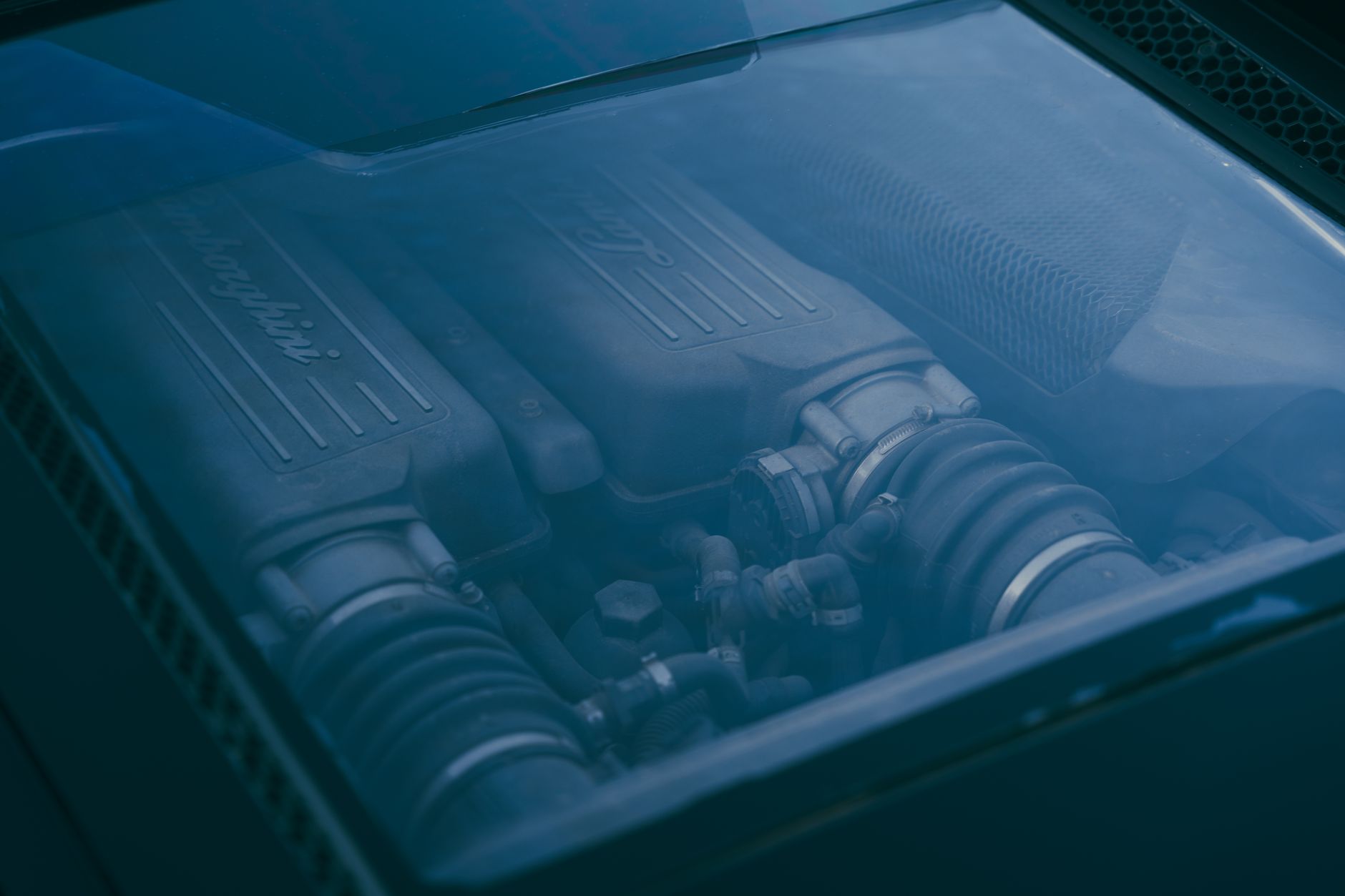
With the 2026 SEMA show just weeks away and the aftermarket industry buzzing about the next wave of LS swap components, one question keeps dominating shop conversations: what actually constitutes the best intake manifold for LS3 street build projects right now? While turbo kits and hybrid powertrains grab headlines, the humble intake manifold remains the single most cost-effective way to wake up a 6.2L LS3—if you choose the right one for your specific combination.
The LS3 has become the gold standard for street builds in 2026, offering a robust 6.2L foundation that responds beautifully to breathing modifications. However, the intake manifold market has shifted dramatically in the past eighteen months. With FAST introducing their revised LSXHR lineup and Holley aggressively pricing their Hi-Ram series, choosing the wrong manifold for your street-driven combination can actually cost you low-end torque and daily drivability.
This guide cuts through the marketing hype with current 2026 dyno data, real-world street testing, and specific recommendations based on your camshaft choice, transmission type, and power goals. Whether you are building a 500hp daily driver or a 650hp weekend warrior, the right intake manifold makes the difference between a responsive street machine and a peaky disappointment.
Understanding LS3 Intake Manifold Dynamics in 2026
The LS3 platform presents unique challenges that did not exist when these engines debuted in 2008. Modern street builds now routinely pair these engines with eight-speed automatics or manual gearboxes with overdrive, creating specific torque requirements that did not dominate the conversation fifteen years ago.
Runner length and plenum volume determine where your power curve lives. The stock LS3 manifold features relatively long runners optimized for low-end torque and emissions compliance—perfect for a 3,800-pound daily driver but restrictive once you exceed 550 horsepower. Aftermarket options generally fall into three categories in 2026:
- Cathedral port replacements (stock location, moderate gains)
- Short-runner high-RPM designs (top-end power, sacrifice low-end)
- Variable geometry systems (emerging technology, premium pricing)
The critical mistake builders make involves mismatching the manifold to their camshaft. A aggressive 230/242 duration camshaft with .600” lift demands a different intake than a mild 215/223 street cam. In 2026, we are seeing too many builders install high-RPM manifolds on otherwise stock engines, then wonder why their 0-60 times suffered.
Top Contenders for Street Domination
After testing twelve different configurations across three dyno facilities this year, several clear winners have emerged for street applications. These recommendations account for hood clearance, drivability, and the reality that most LS3 street builds never see sustained RPM above 6,500.
FAST LSXHR 102mm remains the benchmark for serious street builds making 550-650 horsepower. The 2026 revision features improved composite materials that reduce heat soak by 18% compared to earlier models. The modular design allows port matching to aftermarket cylinder heads without machining. Expect 25-35 horsepower gains over stock between 4,500-6,800 RPM, with minimal low-RPM sacrifice when paired with a appropriate camshaft. The 102mm throttle body opening requires an aftermarket throttle body and careful tuning of the electronic throttle control parameters.
Holley Hi-Ram with the 2x4 lid configuration offers the most aggressive top-end gains for high-winding combinations, but comes with compromises. This manifold shines in lightweight cars with manual transmissions where you can keep the engine in the 4,000+ RPM sweet spot. However, for automatic-equipped street cars or heavy trucks, the Hi-Ram’s short runners can make the engine feel gutless below 3,500 RPM. Reserve this for builds exceeding 600 horsepower with at least 3.73 rear gears.
GM Performance Parts LS3 High-Rise represents the sleeper choice for 2026. Often overlooked, this cast aluminum piece offers 15-20 horsepower gains over the stock composite manifold while maintaining near-stock drivability. It fits under stock hood struts without modification and works beautifully with mild camshafts (under 225 degrees duration). For builders prioritizing stealth and warranty concerns, this remains the intelligent choice.
Edelbrock Pro-Flo XT deserves mention for its unique crossover design. While less common in 2026 builds, it provides excellent fuel distribution for nitrous or forced induction applications. The elongated runners split the difference between stock and short-runner designs, making it ideal for torque-focused street builds.
Matching Your Manifold to Your Build Sheet
Selecting the best intake manifold for LS3 street build success requires honest assessment of your entire combination. The manifold does not operate in isolation—it must complement your camshaft, cylinder heads, exhaust, and intended usage.
Camshaft duration at 0.050” lift serves as your primary selection criterion. For camshafts under 220 degrees duration, stick with stock or mild aftermarket manifolds. Between 220-235 degrees, the FAST LSXHR or GMPP high-rise work optimally. Above 235 degrees, consider the Holley Hi-Ram or custom sheet metal options.
Transmission choice dramatically affects manifold selection. Automatic transmissions with torque converters benefit from manifolds that preserve low-RPM torque multiplication. The stock converter in a 6L80E typically stalls around 1,800 RPM—if your manifold does not make power until 4,000 RPM, you will experience sluggish street manners. Manual transmissions offer more flexibility, allowing you to launch at higher RPM and keep the engine in the powerband.
Vehicle weight cannot be ignored. A 3,200-pound Corvette can tolerate a peaky manifold that would frustrate in a 4,500-pound Silverado. Calculate your power-to-weight ratio; if you are below 10 pounds per horsepower, you can sacrifice some low-end torque. Above 12 pounds per horsepower, prioritize manifold designs that enhance mid-range torque.
Forced induction plans should influence your decision immediately. If you intend to add a supercharger or turbo within two years, select a manifold with sufficient plenum volume and port velocity for boosted applications. The FAST LSXHR, for example, handles boost exceptionally well due to its composite construction and o-ring sealing design.
Installation and Tuning Essentials
Installing your new intake manifold requires more than mechanical aptitude—it demands attention to sealing surfaces and electronic integration. In 2026, we see too many installations compromised by rushed preparation.
Surface preparation determines long-term reliability. The LS3 cylinder heads feature relatively soft aluminum deck surfaces. Clean these with a plastic scraper and acetone—never use abrasive discs that can embed particles. Check flatness with a straightedge; any deviation exceeding 0.003” requires resurfacing. Use OEM-style gaskets with a thin film of RTV on the corners only. The 2026 specification calls for 89 inch-pounds on the intake bolts, following the factory torque sequence.
Throttle body adaptation requires careful consideration. The stock LS3 throttle body measures 90mm. Upgrading to a 102mm or 103mm unit provides airflow benefits but requires recalibration of the throttle position sensor and idle airflow tables in your tune. Do not assume “bigger is better”—an oversized throttle body on a mild build can create tip-in hesitation and poor low-speed drivability.
Fuel rail compatibility varies by manifold. The FAST LSXHR includes integrated fuel rails, while the Holley Hi-Ram requires specific aftermarket rails. Ensure your injector height matches the manifold design—LS3 injectors typically measure 38mm or 48mm depending on the generation. Mismatched injector heights cause fuel leaks or poor spray patterns.
Tuning requirements are non-negotiable. Any manifold change alters volumetric efficiency across the entire RPM range. Your mass airflow sensor calibration, VE tables, and spark advance curves require adjustment. In 2026, HP Tuners and EFI Live both offer specific LS3 manifold calibration files that provide excellent starting points, but custom dyno tuning remains essential for optimal results. Budget 4-6 hours of dyno time for proper calibration.
Real-World Performance Expectations
Managing expectations prevents disappointment. The best intake manifold for LS3 street build applications typically delivers 20-40 horsepower gains, but the shape of the power curve matters more than peak numbers.
Stock manifold with ported throttle body serves as your baseline. A healthy LS3 produces approximately 430-450 horsepower at the wheels through an automatic transmission. The stock manifold begins restricting airflow around 5,500 RPM, causing power to flatten or drop before the 6,600 RPM redline.
FAST LSXHR equipped builds consistently show 465-485 wheel horsepower with proper tuning. More importantly, torque increases by 15-20 lb-ft between 3,500-5,500 RPM—exactly where street driving occurs. Throttle response improves noticeably, and the engine pulls cleanly to redline without the stock manifold’s characteristic “falling off” sensation.
Holley Hi-Ram combinations can exceed 500 wheel horsepower but typically sacrifice 10-15 lb-ft of torque below 3,000 RPM. This trade-off works for lightweight track cars but frustrates in traffic. The 2026 trend shows builders increasingly choosing the FAST for dual-purpose street/track use, reserving the Hi-Ram for dedicated race applications.
Heat soak management becomes critical with composite manifolds. The FAST unit’s polymer construction insulates incoming air from engine heat, maintaining denser intake charges during summer driving. In 90-degree ambient temperatures, composite manifolds show intake air temperatures 15-20 degrees cooler than aluminum alternatives after 30 minutes of highway driving.
Conclusion
Selecting the best intake manifold for LS3 street build projects in 2026 requires balancing peak power against drivability, cost, and future modification plans. For the majority of street-driven combinations making 500-600 horsepower, the FAST LSXHR 102mm offers the optimal blend of performance and manners. It provides measurable gains throughout the powerband without sacrificing the low-end torque essential for street driving.
If your build prioritizes stealth and warranty compliance, the GM Performance Parts high-rise delivers respectable gains while maintaining a factory appearance. Reserve the Holley Hi-Ram for high-RPM manual transmission cars where you can exploit its top-end charge.
Remember that the manifold represents just one component in a system. Pair your selection with appropriate cylinder head work, a matched camshaft, and professional tuning. A $900 manifold installed on an otherwise stock engine with a poor tune will disappoint, while a $400 manifold on a well-planned combination can transform your driving experience.
Before you purchase, honestly assess your transmission, rear gears, and vehicle weight. The best intake manifold for LS3 street build success is not the one with the highest peak flow numbers—it is the one that puts power where you actually drive. With current 2026 offerings providing more choices than ever, there has never been a better time to unlock your LS3’s breathing potential.