
Best Lowering Springs for F150: The 2026 Street Truck Setup Guide
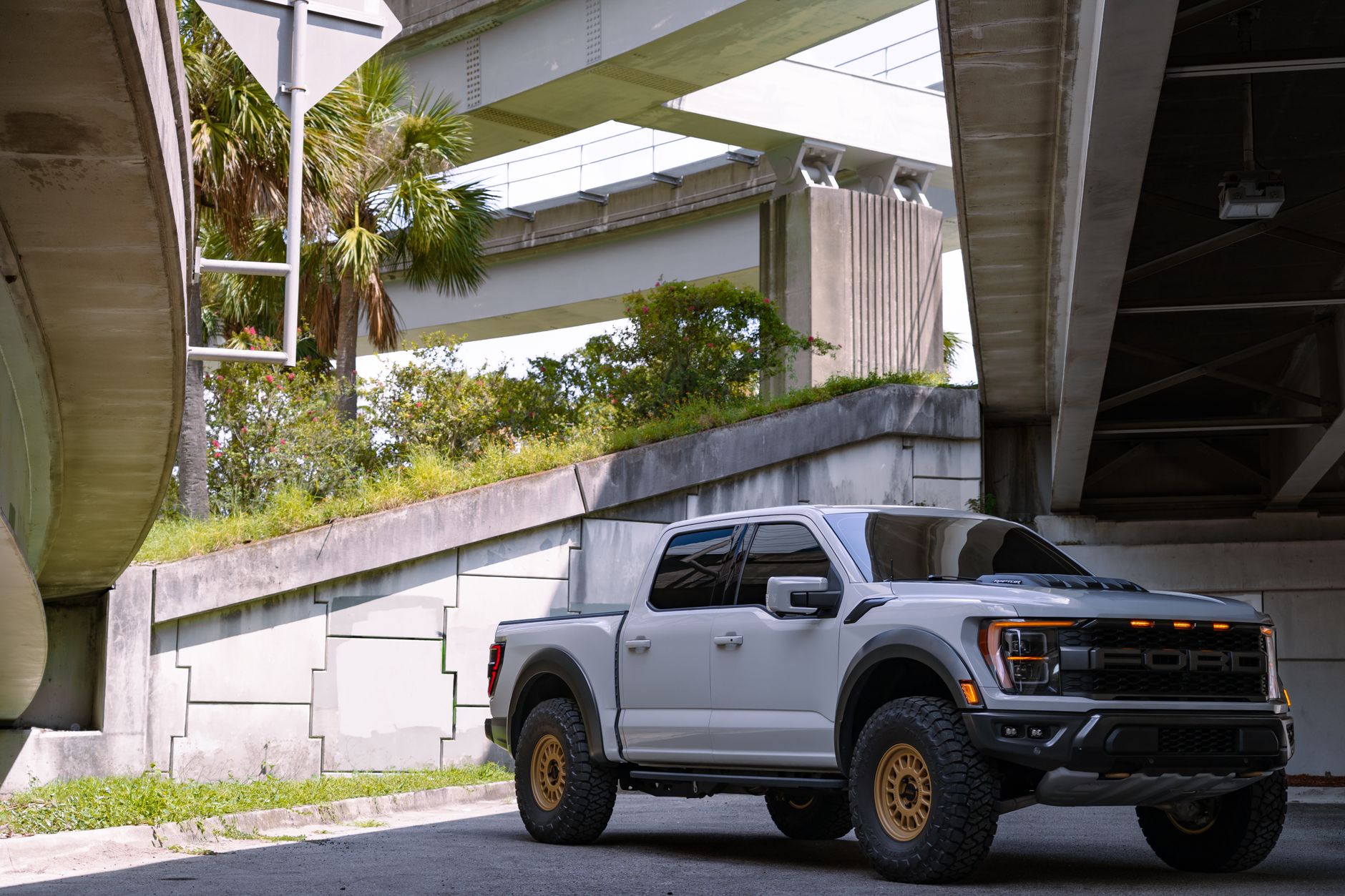
The street truck scene is having a serious moment right now. With Ford’s F-Series continuing to dominate sales charts through 2026 and the used F150 market flooded with clean 2015-2024 models at reasonable prices, more owners than ever are ditching the lifted look and slamming their trucks for that aggressive street stance. SEMA 2025 saw a record number of lowered truck builds, and manufacturers have responded with more drop options than we’ve ever had. If you’re hunting for the best lowering springs for F150 builds, you’ve got choices — but picking the wrong setup can turn your daily driver into a bouncing, bottoming-out nightmare.
This guide breaks down what actually works, what drop heights make sense for different generations, and how to avoid the most common mistakes first-time lowerers make.
Why Lower an F150 in the First Place?
Let’s be honest — a stock F150 sits like a work truck because it is a work truck. That factory rake (nose-down, tail-up stance) exists for payload capacity, not looks. Lowering springs fix this by:
- Improving handling: Lower center of gravity means less body roll in corners
- Better aerodynamics: Less air under the truck at highway speeds
- Aggressive stance: That leveled or slightly raked street truck look
- Easier loading: Lower bed height for actually using your truck
The trade-off? You’ll lose some payload capacity and ground clearance. If you’re regularly hauling 1,500+ pounds in the bed or towing heavy trailers, lowering might not be your move. But for the vast majority of F150 owners who use their truck as a daily driver with occasional hardware store runs, a quality drop transforms the driving experience.
Best Lowering Springs for F150 by Generation
Not all F150s are created equal. The suspension geometry changed significantly between generations, so what works on a 2010 won’t bolt onto a 2020.
2015-2020 (13th Gen Aluminum Body)
The aluminum-body trucks respond incredibly well to lowering. The lighter curb weight means spring rates don’t need to be as aggressive to achieve proper drop.
Top picks:
- Eibach Pro-Truck Lowering Kit: 1.5” front / 2.0” rear drop, maintains near-stock ride quality
- Belltech Lowering Kit: 2” front / 3” rear for a more aggressive rake elimination
- MaxTrac Lowering Spindles + Springs combo: 2”/4” drop for serious stance seekers
2021-2026 (14th Gen)
The newest generation has more complex suspension geometry, especially on trucks with the optional continuously controlled damping. Stick with springs specifically designed for 14th gen — older springs won’t work.
Top picks:
- Eibach Pro-Truck 14th Gen Kit: 1.2” front / 1.8” rear, works with factory dampers
- Belltech 14th Gen Street Kit: 2”/3” drop with upgraded rear shocks included
2009-2014 (12th Gen)
Older steel-body trucks are the budget-friendly lowering platform. Parts are plentiful and cheap.
Top picks:
- DJM Suspension Lowering Kit: 2”/3” drop, excellent value around $400
- Ground Force 9123 Kit: 2”/4” drop for the classic street truck look
Drop Heights Explained: What Actually Works
Here’s where most people mess up. They see a 4” drop online, buy it, then wonder why their truck rides like a skateboard and scrapes on every driveway.
Mild Drop (1-2 inches)
- Maintains 90% of stock ride quality
- No alignment issues beyond normal adjustment range
- Still clears speed bumps and steep driveways
- Best for daily drivers and trucks that occasionally haul
Moderate Drop (2-3 inches)
- Noticeably firmer ride, but not punishing
- Requires alignment and possibly camber bolts
- May need shorter bump stops to prevent bottoming out
- The sweet spot for most street truck builds
Aggressive Drop (3+ inches)
- Requires additional components: drop spindles, shorter shocks, possibly a C-notch in the frame
- Ride quality suffers significantly
- Ground clearance becomes a real concern
- Best reserved for show trucks or dedicated street machines
Pro tip: Measure your current ride height before ordering. F150s with the factory FX4 off-road package sit about 1” higher than standard models, so a “2-inch drop” kit might only give you 1” of actual lowering.
Installation: What You’re Actually Getting Into
Lowering springs aren’t a beginner-friendly install, but they’re not impossible for a competent DIYer either.
Time estimate: 4-6 hours for a first-timer with proper tools
You’ll need:
- Spring compressor (rent from auto parts store if you don’t own one)
- Floor jack and jack stands rated for your truck’s weight
- Torque wrench
- Basic hand tools
The process involves:
- Removing the front strut assemblies and compressing the springs
- Swapping in the lowering springs
- Rear axle work — removing factory springs and installing new ones
- Reassembly and torque everything to spec
- Mandatory alignment — do not skip this
Common mistakes to avoid:
- Reusing worn factory shocks (they’ll be too long for lowered springs)
- Skipping the alignment (you’ll chew through tires in 5,000 miles)
- Not torquing suspension bolts with the truck at ride height (causes premature bushing wear)
If you’re not comfortable with spring compressors — and honestly, they can be dangerous if mishandled — budget $300-500 for professional installation.
Pairing Springs with the Right Supporting Mods
The best lowering springs for F150 builds don’t work in isolation. To get the most from your drop, consider these supporting upgrades:
Shocks/Struts: Factory dampers are valved for stock ride height. Quality aftermarket shocks like Bilstein 5100s or Belltech Street Performance shocks are designed for lowered applications and dramatically improve ride quality.
Sway Bars: Lowering changes your suspension geometry. Upgraded sway bars help maintain flat cornering without sacrificing ride quality.
Wheels and Tires: A lowered F150 on stock wheels looks half-finished. Most builders run 20-22” wheels with 285-305 width tires for the proper street truck aesthetic.
Bump Stops: Shorter bump stops prevent harsh bottoming out. Many lowering kits include these, but verify before ordering.
Conclusion
Finding the best lowering springs for F150 trucks comes down to matching your drop height to how you actually use your truck. For most owners, a moderate 2/3 drop from a reputable brand like Eibach or Belltech hits the sweet spot — aggressive enough to transform the look, mild enough to live with daily.
Start by measuring your current ride height, honestly assess your hauling needs, and budget for proper supporting mods like shocks and an alignment. Do it right the first time, and you’ll have a street truck that handles better than stock while turning heads everywhere you go. Cut corners, and you’ll be shopping for replacement suspension components within a year.
Now get out there and start building.