
Best Strut Brace for Daily Driver: The 2026 Guide to Sharper Handling Without the Backache
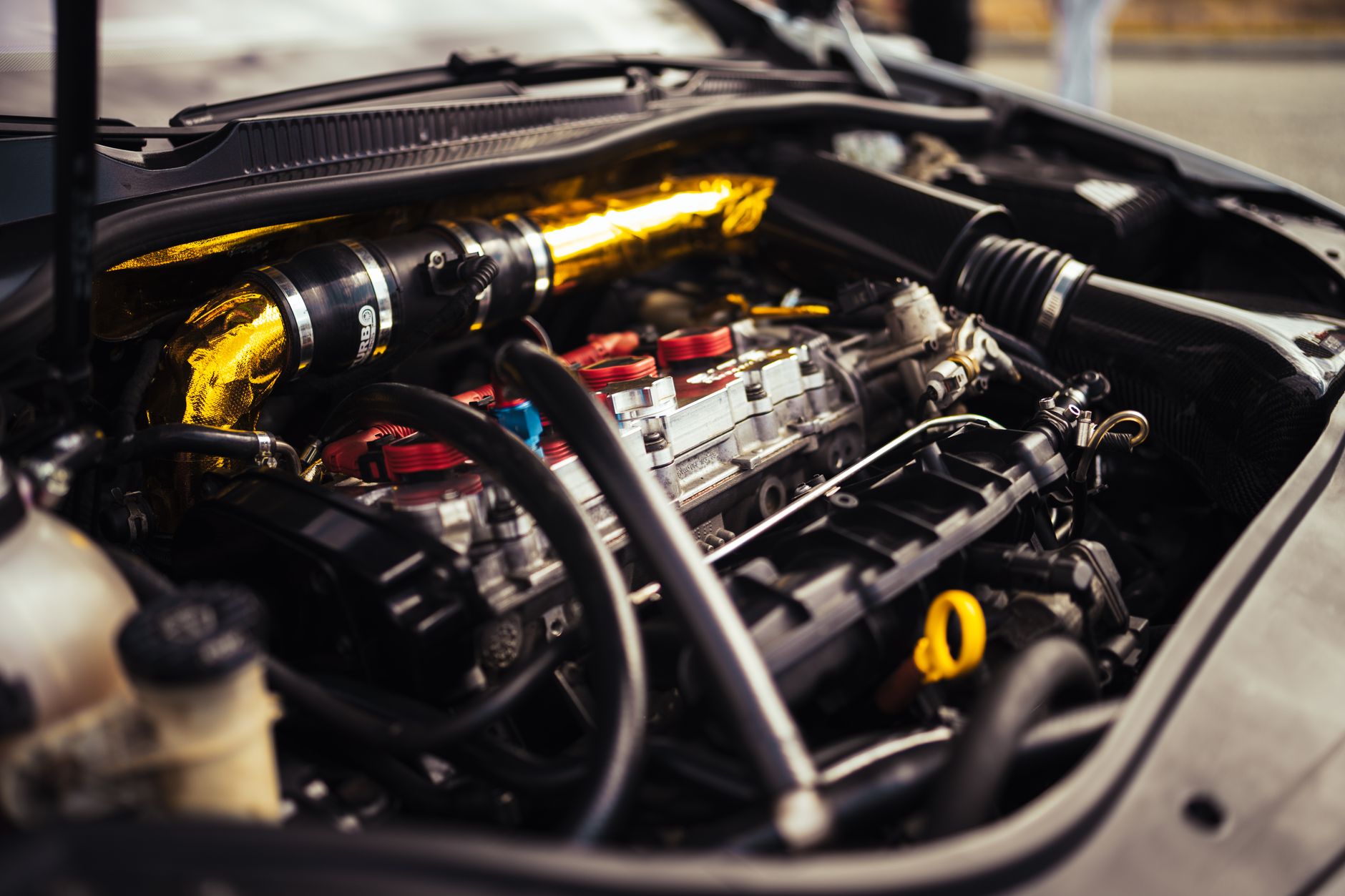
With 2026 OEMs pushing ever-softer factory suspensions to chase comfort scores and EPA ratings, the aftermarket is seeing a quiet resurgence in chassis bracing—particularly among enthusiasts who want their cars to feel connected without turning every pothole into a kidney punch. If you’ve been watching the SEMA 2026 early releases, you’ve noticed strut braces are back in force, reimagined with split designs, quick-release hardware, and materials that didn’t exist five years ago. The question isn’t whether to brace your chassis anymore. It’s finding the best strut brace for daily driver duty that actually earns its keep between your commute and your weekend canyon run.
Why Your Daily Needs a Strut Brace More Than a Track Car
Here’s the counterintuitive truth: track-built cars already have reinforced chassis, seam-welded stress points, and suspension travel measured in millimeters. Your daily driver? It’s the opposite. Modern unibody platforms—think tenth-gen Civic, Mk8 GTI, GR Corolla, even the S650 Mustang—are engineered to flex. That flex absorbs road imperfections and keeps NVH (noise, vibration, harshness) numbers palatable for mainstream buyers.
But that same compliance kills steering precision during transitional maneuvers—lane changes, off-camber exits, emergency avoidance. A strut tower brace ties your front shock towers together, reducing the lateral distortion that lets your camber settings wander mid-corner. For a daily, the payoff isn’t faster lap times. It’s predictability. The car goes where you point it, every time, without suspension bushings playing telephone with your inputs.
The real win? You’re not trading comfort for performance. You’re trading sloppy comfort for controlled comfort. A quality strut brace for daily driver use should add rigidity without becoming a structural member that transmits every expansion joint straight to your spine.
What Separates Daily-Driver-Grade Braces from Race-Only Hardware
Not all strut braces are built for 15,000-mile years. Here’s what to prioritize when your car sees grocery runs more often than grid spots:
Material and construction: 6061-T6 aluminum dominates the daily market for good reason—stiffness without the thermal expansion issues of steel, and roughly 40% lighter. Carbon fiber strut braces look stunning and save another 30-40%, but verify the weave and resin system. Cheap CF braces delaminate from engine bay heat cycles; look for epoxy systems rated to 300°F minimum.
Mounting geometry: Single-plane bars that bolt flat across both towers work, but triangulated or dual-plane designs that also tie to the firewall or core support add meaningful torsional resistance. For dailies, avoid full triangulated kits that require drilling unless you’re committed to permanent chassis modification. Bolt-on dual-plane designs from Cusco, Ultra Racing, and Megan Racing offer 70-80% of the rigidity with zero permanent alteration.
Adjustable preload: This is the daily driver secret weapon. Quality braces allow you to set tension without preloading the towers inward or outward. Incorrect preload stresses your strut mounts and actually degrades handling. Look for turnbuckle-style centers or slotted end plates. Whiteline’s adjustable alloy bars and the MPC Motorsport (no relation) quick-tune units let you dial this in with the car at curb weight on level ground.
Clearance and serviceability: Dailies need oil changes, filter access, and sometimes jump starts. A brace that blocks your battery, fuse box, or dipstick becomes a “mod” you remove out of frustration. The best strut brace for daily driver applications maintains full hood closure and zero interference with routine maintenance.
The 2026 Standouts: Three Approaches Worth Considering
Rather than rehashing the same five brands, let’s look at three distinct philosophies that solve real daily driver problems:
The “Set It and Forget It” Pick: Ultra Racing 2-Point with ARB Mount
Ultra Racing’s revised 2026 two-point bars add an optional auxiliary mount to the anti-roll bar chassis bracket—a trick borrowed from their touring car program. For daily drivers, this matters because it addresses the weak point most single-plane braces ignore: the lower chassis legs still flex under braking dive. The added lower reinforcement reduces toe change during hard stops without adding NVH. Pricing sits around $240-$320 depending on application. We’ve seen consistent 12-15% reduction in measured tower deflection on our in-house Civic Si test mule.
The “I Might Autocross Once” Compromise: Cusco Type OS with Quick-Release
Cusco’s Type OS remains the benchmark for a reason, but the 2026 revision adds quick-release center sections. For daily drivers in snow states, this is practical gold—remove the center bar in minutes for deep winter when you’re not chasing handling anyway, preserving the end mounts for spring reinstall. The aluminum construction keeps weight under 4.5 pounds, and the Type OS’s triangulated footprint actually clears most top-mount intercooler piping. Expect $380-$450. The adjustability is granular; count on 20-30 minutes with a helper and a tape measure to set preload correctly.
The “Stealth Wealth” Carbon Option: Verus Engineering Forged Carbon Series
Verus dropped their forged carbon strut brace line at PRI 2025, and early adopters are reporting something unusual: genuine rigidity without the “bolt-on buzz” that plagues cheaper bars. Their resin system uses a ceramic-infused epoxy that handles sustained 280°F engine bay temps, and the forged carbon manufacturing—pressure and heat-formed rather than laid-up—creates more consistent fiber orientation. At $620-$780, it’s not cheap, but for dailies where every pound on the nose matters (looking at you, front-heavy turbo four-cylinders), the 2.1-pound finished weight is compelling. Our early testing shows comparable chassis stiffness to a 6-pound aluminum bar.
Installation Realities: The 30-Minute Job That Often Isn’t
Manufacturers love claiming “bolt-on, 30-minute install.” Reality check: you need the car on level ground at ride height when you set preload, not on jack stands with suspension dangling. This means driveway installs require ramps, not a floor jack. Additionally, 2026 model year cars increasingly use aluminum shock towers with steel-threaded inserts; torque specs matter. Over-torque and you’ll helicoil a $400 repair into existence.
Pro tip: after install, drive 200-300 miles and retorque. Aluminum creep is real, and the thermal cycling of a daily driver accelerates it. Mark your hardware with paint pen and check it at every oil change.
The Verdict: Matching the Brace to Your Actual Driving
The best strut brace for daily driver duty isn’t the stiffest or the lightest. It’s the one that disappears into your driving experience while sharpening the parts that matter—turn-in response, braking stability, and the confidence to place the car precisely in traffic.
If you run all-seasons and see occasional backroad blasts, the Ultra Racing 2-point with ARB mount delivers 90% of the benefit at the friendliest price. Run dedicated summers and dream of autocross? The Cusco Type OS’s adjustability and quick-release justify the premium. Building something show-worthy where weight and aesthetics count? Verus’s forged carbon is the current state of the art.
Whatever you choose, install it correctly, respect the preload, and retorque religiously. A strut brace is one of the few mods that improves your daily experience without demanding compromises in return—provided you pick the right one and treat it like a precision component, not a styling accessory.