
Best Supercharger for Daily Driven V8: The 2026 Street Reliability Guide
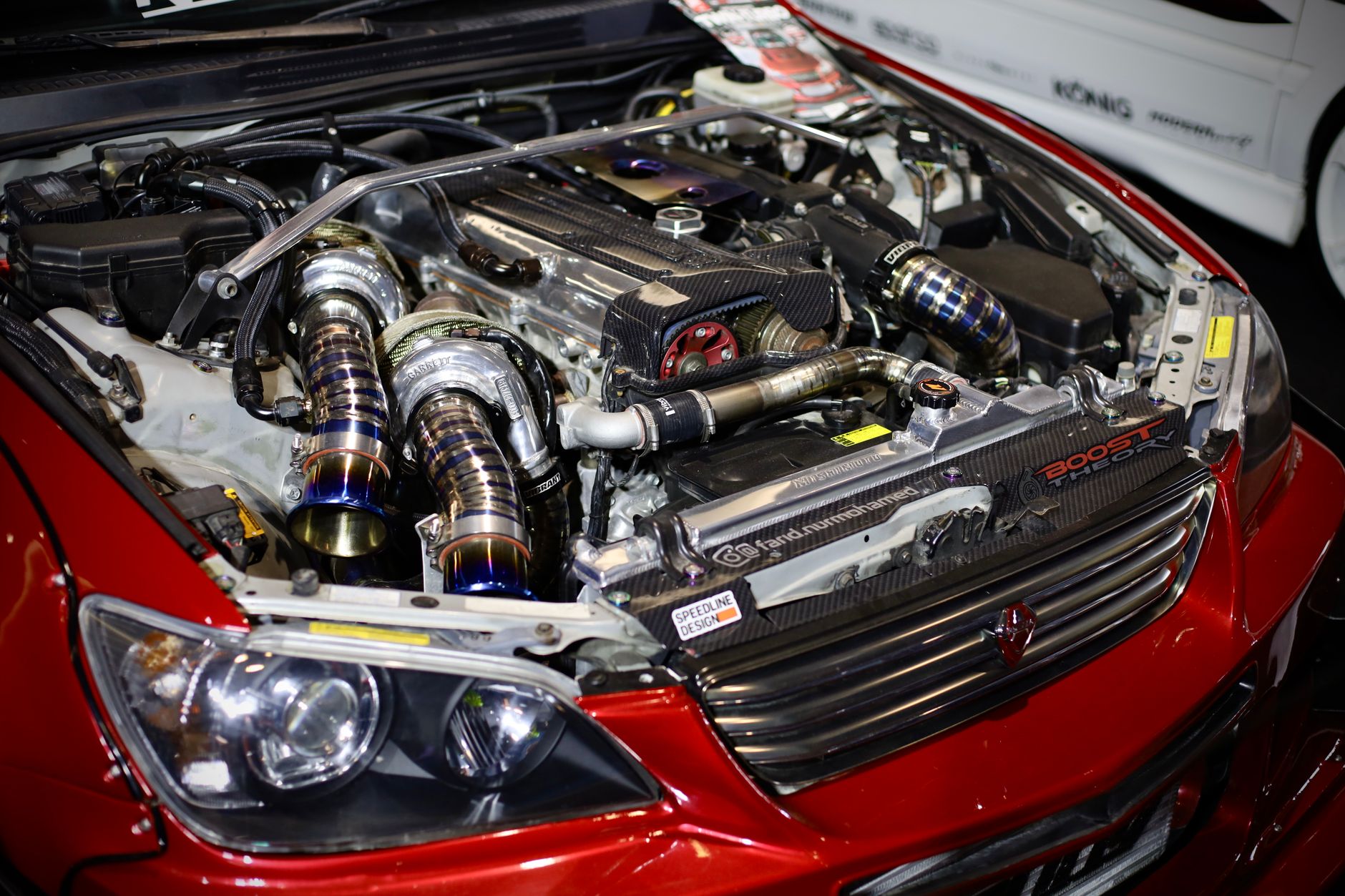
The 2026 model year has brought a fascinating shift in the performance world: while hybrid assistance dominates headlines, traditional V8 owners are doubling down on mechanical simplicity. With new vehicle prices hovering near $50,000, enthusiasts are increasingly choosing to boost what they already own rather than trade into turbocharged four-cylinders. If you’re hunting for the best supercharger for daily driven V8 applications, you’re joining a growing wave of gearheads prioritizing instant throttle response and linear power delivery over peak dyno numbers.
Unlike turbochargers that rely on exhaust energy and introduce lag, superchargers deliver boost immediately—exactly what you want when merging onto the interstate or passing on two-lane highways. But adding forced induction to a daily driver requires a different calculus than building a weekend warrior. You need reliability that survives 15,000-mile oil change intervals, drivability that won’t frustrate you in traffic, and thermal management that handles summer stop-and-go without heat soak.
This guide cuts through the marketing hype to examine which supercharger systems actually make sense for street-driven V8s in 2026, based on real-world durability data, installation complexity, and total cost of ownership.
Why Superchargers Beat Turbos for Daily Duty
Turbochargers might dominate the OEM landscape, but they introduce complications that can sour the daily driving experience. Heat soak in traffic, boost lag at low RPM, and complex oil/coolant plumbing create maintenance headaches that compound over 100,000 miles of commuting.
Superchargers offer three distinct advantages for street use:
Immediate throttle response: Because they’re mechanically driven by the crankshaft, superchargers produce boost the instant you tip into the throttle. There’s no waiting for exhaust pressure to spool a turbine—just linear, predictable power that feels like a larger displacement engine.
Simplified thermal management: While turbochargers cook engine bays with exhaust-side temperatures exceeding 1,000°F, centrifugal superchargers typically run cooler intake temps, especially when paired with efficient air-to-air intercoolers. This reduces stress on engine components during long highway cruises.
OEM+ reliability: Modern positive displacement superchargers (roots and twin-screw designs) have proven themselves in factory applications like the Hellcat and LT4. When properly sized and tuned, these units can last the life of the engine with only periodic oil changes every 30,000-50,000 miles.
Roots vs. Twin-Screw vs. Centrifugal: The Street Showdown
Not all superchargers behave the same way at 2,000 RPM in sixth gear. Understanding these mechanical differences is crucial for selecting the best supercharger for daily driven V8 use.
Roots-type superchargers (like the Eaton TVS units found on GM LT4 and Ford Predator engines) sit on top of the engine and compress air in meshing lobes. They deliver massive low-end torque—perfect for heavy trucks or stop-and-go traffic—but generate more heat at high RPM. Modern TVS (Twin Vortices Series) designs have largely solved the efficiency issues of older roots blowers, making them excellent for daily drivers who prioritize throttle response over top-end power.
Twin-screw superchargers (Whipple, Kenne Bell) compress air internally between two intermeshing screws, making them more thermally efficient than roots designs. They produce boost across the entire RPM range with less parasitic loss, though they typically cost $1,000-2,000 more than comparable roots systems. For a daily driver seeing regular highway miles, the twin-screw’s cooler intake temps translate to more consistent power in summer heat.
Centrifugal superchargers (ProCharger, Vortech, Paxton) resemble turbochargers but are belt-driven. They produce little boost at low RPM, building power linearly as engine speed increases. This makes them ideal for highway cruisers who want V6-like fuel economy during commuting and V8 power when passing. However, they lack the instant torque hit that makes positive displacement blowers so addictive around town.
Top Contenders for 2026 Street Dominance
Based on current dyno data and long-term reliability reports, these systems represent the best supercharger for daily driven V8 applications across different budgets and goals.
Whipple Gen 5 3.0L (Twin-Screw): The current gold standard for late-model GM and Ford V8s. The Gen 5 rotor profile moves more air at lower RPM than previous designs, eliminating the “laggy” feel of older twin-screws. With 50-state legal kits available for the Mustang GT and Silverado 6.2L, these systems add 150-200 horsepower while maintaining factory-like drivability. Expect to pay $8,000-9,500 installed, but the included calibration is worth every penny for daily use.
Magnuson TVS2650 (Roots): If you’re driving a 5.3L or 6.2L GM truck, this is arguably the best supercharger for daily driven V8 trucks. The TVS2650 moves enough air for 650+ horsepower but shines in the 500-550 wheel horsepower range where it runs cool and efficient. Magnuson’s calibration keeps transmission shift points stock, avoiding the harsh gear changes that plague some aftermarket tunes. The underhood fitment is tight but serviceable—critical for daily drivers that need regular maintenance.
ProCharger P-1SC-1 (Centrifugal): For the budget-conscious enthusiast, ProCharger’s self-contained centrifugal systems offer the best bang-for-buck. At $6,500-7,500 for a complete kit, you gain 150-175 horsepower on pump gas with minimal impact on low-end torque (a plus for stock transmissions). The trade-off is a slight delay in boost onset below 3,000 RPM, but highway fuel economy often improves by 1-2 MPG during light cruising due to the reduced parasitic drag compared to positive displacement units.
Edelbrock E-Force (Roots): Using Eaton TVS rotors in a unique housing design, the E-Force offers a middle ground between Magnuson and Whipple pricing. Available for everything from classic small-blocks to modern Coyote engines, these kits include cast aluminum intake manifolds that improve airflow over stock. The 2026 revisions include upgraded intercooler bricks that reduce heat soak during extended idling—a common complaint with earlier versions.
Installation and Tuning: The Daily Driver Difference
Choosing the hardware is only half the battle. The difference between a reliable daily driver and a garage queen often comes down to installation details and calibration philosophy.
Conservative timing is king: While race tunes might run 18-20 degrees of timing on E85, your daily driver needs 12-14 degrees on 91/93 octane to survive carbon buildup and varying fuel quality. Insist on a tune that prioritizes knock resistance over peak power.
Upgrade the cooling system: Even the best supercharger for daily driven V8 applications will heat-soak without proper thermal management. Budget for a 180-degree thermostat, upgraded radiator, and oil cooler if your vehicle lacks one. On GM trucks, the factory transmission cooler often struggles with added torque—plan for a Tru-Cool 40K unit.
Don’t neglect the drivetrain: A supercharger adding 150+ lb-ft of torque will expose weaknesses in stock clutches, torque converters, and differentials. For automatic-equipped daily drivers, a torque converter with a 2,800-3,200 stall speed helps manage the extra power without making the vehicle jumpy in parking lots.
Fuel system requirements: Most bolt-on supercharger kits assume you’re running 91+ octane. If your area only has 87 octane reliably available, consider a water-methanol injection system (like Snow Performance) to prevent detonation. These systems cost $500-800 but provide a safety margin that stock fuel systems can’t match.
Making the Right Choice for Your Commute
Selecting the best supercharger for daily driven V8 duty ultimately depends on your specific driving patterns. If you battle urban traffic daily, a roots or twin-screw positive displacement blower delivers the low-end torque that makes stop-and-go tolerable. Highway commuters covering 50+ miles each way might prefer the centrifugal design’s relaxed cruising manners and superior fuel economy.
Budget realistically: while the supercharger kit itself runs $6,000-9,000, factor in $1,500-2,500 for supporting modifications (cooling, drivetrain, fuel system) and professional tuning. Skimping here transforms a reliable daily driver into a frustrating project car.
The 2026 performance landscape offers more forced induction options than ever, but the supercharger remains the king of streetable power. Choose wisely, tune conservatively, and you’ll enjoy 100,000+ miles of boosted V8 reliability without the complexity of turbocharging or the maintenance anxiety of high-strung naturally aspirated builds.