
Best Sway Bar Upgrade for Towing: The 2026 Guide to a Stable, Confident Haul
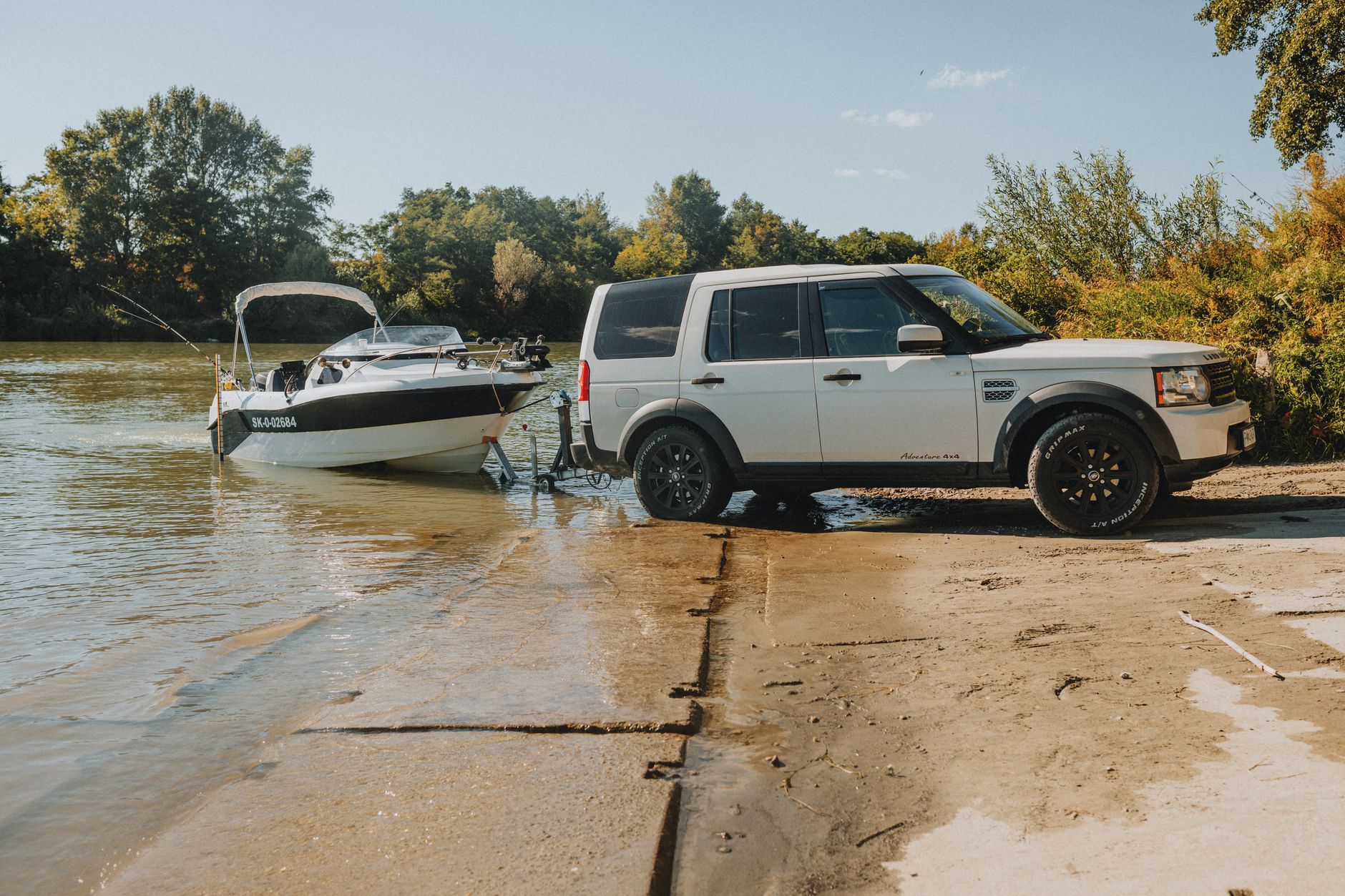
If you’ve white-knuckled your way through a crosswind with a trailer in tow this year, you’re not alone. With RV shipments rebounding hard through 2026 and more families hauling campers, boats, and toy haulers than ever before, trailer sway complaints have flooded truck forums all season. The good news? Finding the best sway bar upgrade for towing is one of the cheapest, most effective ways to transform how your rig handles — and it’s a mod most owners overlook entirely.
Factory sway bars are engineered for a compromise: comfortable empty-bed commuting, not 8,000 pounds of travel trailer pushing your truck around in a crosswind. An upgraded bar tightens up body roll, sharpens steering response, and — most importantly — keeps your trailer in line when a semi blows past you at 75 mph. Here’s how to choose the right one, what to spend, and how to install it right.
Why Your Stock Sway Bar Falls Short When Towing
Your truck’s factory sway bar (also called an anti-roll bar or stabilizer bar) connects the left and right sides of the suspension. When the body starts to lean in a turn or from wind pressure, the bar twists and resists that motion, keeping the truck flatter and more planted.
The problem is sizing. Manufacturers tune stock bars for ride quality on empty trucks, which means they’re often undersized for loaded towing. A typical half-ton rear bar might measure 22–24mm, while an aftermarket towing bar jumps to 28–35mm — a massive increase in torsional stiffness. Since bar stiffness scales roughly with the fourth power of diameter, even a 4mm increase can nearly double roll resistance.
Symptoms your stock bar is overwhelmed:
- Excessive body lean in highway lane changes
- Trailer “pushing” the rear of the truck in crosswinds
- Wallowing or delayed recovery after dips and bumps
- Steering that feels vague or requires constant correction with a trailer attached
If any of these sound familiar, a sway bar upgrade should be near the top of your list — arguably before you touch a tuner or intake.
Choosing the Best Sway Bar Upgrade for Towing: Size, Material, and Adjustability
Not all sway bars are created equal. Here’s what actually matters when you’re shopping for a towing-focused setup.
Diameter and Stiffness
Bigger isn’t always better, but for towing, you generally want a stiffer rear bar. Increasing rear roll stiffness reduces the side-to-side motion that trailer sway exploits. Popular upgrades for half-ton trucks (F-150, Silverado 1500, Ram 1500, Tundra) typically run:
- Rear bar: 28–32mm solid, or a thick-wall hollow bar with equivalent stiffness
- Front bar: Often left stock, or upgraded modestly to maintain balance
For three-quarter and one-ton trucks (Super Duty, Silverado/Sierra HD, Ram HD), look at heavy-duty kits from brands like Hellwig, Roadmaster, and SuperSteer — many offer bars up to 1-3/8” (35mm) designed specifically for slide-in campers and fifth-wheel duty.
Solid vs. Hollow Bars
Hollow bars save 30–40% of the weight while delivering similar stiffness through larger diameter and thicker walls. For towing, solid bars are usually the better value — they’re cheaper, more durable against road debris, and the weight penalty is irrelevant on a 6,000-pound truck. Save the hollow-bar budget for your track car.
Adjustability
Two- or three-hole adjustable end link mounting points let you fine-tune effective stiffness without buying a new bar. This is genuinely useful for towing: run the softest setting for daily driving, then move the end links to the stiffest hole before hooking up the trailer. Kits from Hellwig and Eibach commonly include this feature, and it’s worth paying the small premium.
Bushing Material
Skip the soft rubber. Polyurethane bushings with grease fittings resist deflection under load and last far longer in towing duty. Just grease them at every oil change to prevent squeaks.
Rear Bar First: The Budget Priority Order
Here’s a tip most guides skip: if you’re on a budget, upgrade the rear bar first — and in many cases, the rear alone is enough.
Why? Trailer sway is fundamentally a rear-axle problem. The trailer’s tongue weight loads the rear suspension, and lateral forces from the trailer act on the rear of the truck. A stiffer rear bar directly resists the rolling motion that lets sway build. Many HD truck owners report that a $250–$350 rear bar from Hellwig or Roadmaster eliminated 80% of their sway complaints, with no front bar change at all.
A sensible priority order:
- Rear sway bar upgrade ($200–$400) — biggest bang for the buck
- Quality weight-distribution hitch with sway control ($400–$800) — pairs perfectly with the bar
- Front sway bar ($250–$400) — only if the truck still feels unbalanced
- Upgraded end links and bushings ($60–$120) — if yours are worn or non-greasable
One caution: don’t stack a massive rear bar on top of stiff rear springs or airbags cranked to max pressure without testing. Too much rear roll stiffness can make the truck feel twitchy on uneven pavement. Aim for controlled, not locked down.
Installation Tips and Real-World Setup
A sway bar swap is one of the most DIY-friendly suspension jobs — typically 1–2 hours with basic hand tools, a jack, and stands. A few hard-won tips:
- Load the suspension before final torque. Tighten bushing brackets and end links with the truck at ride height (on ramps or with the suspension loaded), not hanging in the air. Preloaded bushings bind and wear prematurely.
- Use fresh hardware. If your kit doesn’t include new grade-8 bolts and nylock nuts, buy them. Rusted factory hardware loves to snap.
- Check end link angles. On lifted or leveled trucks, stock-length end links can sit at harsh angles, reducing bar effectiveness. Adjustable-length end links solve this — measure with the truck loaded.
- Test with the trailer loaded. A sway bar that feels perfect empty might be too stiff (or not stiff enough) with 700 pounds of tongue weight. Do a shakedown run on a familiar highway before the big trip.
Realistic expectations: a quality rear bar typically reduces body roll by 30–50% in lane-change maneuvers and dramatically cuts the “tail wagging the dog” sensation in gusty conditions. It won’t fix a poorly loaded trailer — keep 10–15% of trailer weight on the tongue — but it gives your truck a fighting chance when conditions get ugly.
Pairing Your Sway Bar With the Rest of Your Towing Setup
A sway bar works best as part of a system. If you’ve already invested in a throttle response controller, cold air intake, or diff cover for your tow rig, the sway bar is the handling piece that ties it all together. It also complements — rather than replaces — these upgrades:
- Air helper springs handle sag; the sway bar handles roll. They solve different problems and work great together.
- Bilstein or Fox shocks control bounce; the bar controls lean. If your shocks have 80,000+ miles, do those first.
- Proper tires at towing pressure matter more than any bar. Check your load rating and run the sidewall-appropriate PSI for the load.
Conclusion: Small Bar, Massive Confidence
The best sway bar upgrade for towing isn’t the most expensive one — it’s the correctly sized rear bar, matched to your truck and trailer, installed with fresh bushings and torqued at ride height. For most half-ton towers, that means a 28–32mm rear bar with polyurethane bushings and adjustable end links, coming in under $400 and an afternoon of wrenching.
With towing season stretching later into fall and crosswind season arriving with it, there’s no better time to make the swap. Start with the rear bar, test it loaded, and fine-tune from there. Your knuckles — and everyone sharing the highway with you — will thank you.