
Best Tuner for 6.6 Duramax: The 2026 L5P Owner's Guide to Safe, Real Power
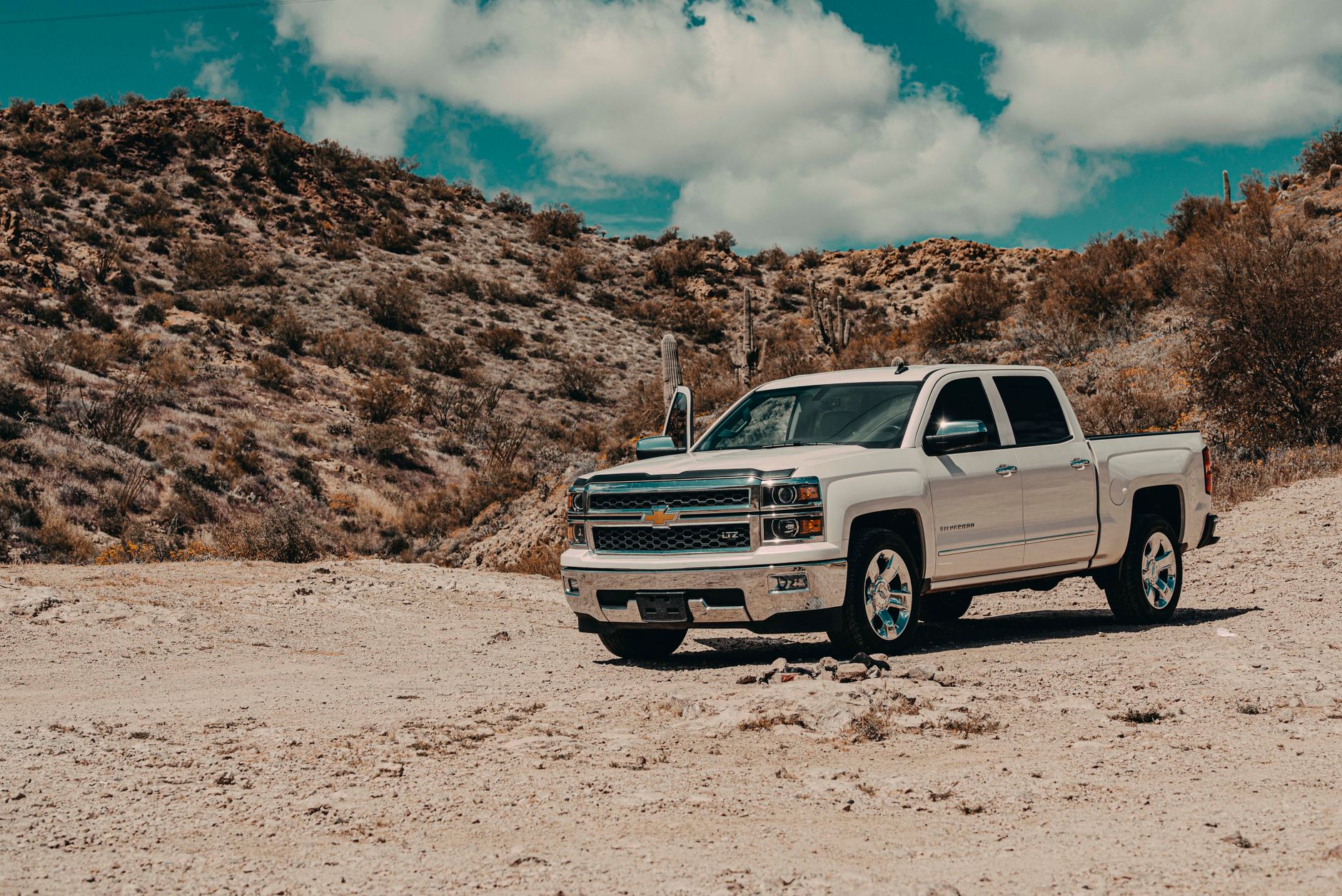
If you’ve been anywhere near a diesel forum this fall, you already know the conversation dominating late 2026: L5P tuning has never been more accessible, and the used Duramax market is absolutely on fire. With new HD truck prices still sitting north of $75,000 for a well-optioned Silverado 2500HD, owners are holding onto their Duramax trucks longer — and spending the money on tuning instead of trading up. That shift has pushed tuner manufacturers to release their most refined calibrations yet, which makes right now the best time in years to shop for the best tuner for 6.6 Duramax powerplants.
But here’s the thing — the 6.6 Duramax spans nearly 25 years of production, from the original LB7 in 2001 through today’s L5P and the updated 2024+ variants. The tuner that’s perfect for a 2006 LBZ is a completely different animal than what your 2020 L5P needs. This guide cuts through the noise with specific recommendations by generation, real horsepower numbers, and the supporting mods that keep your Allison transmission happy.
Why the 6.6 Duramax Responds So Well to Tuning
The Duramax is one of the most undertuned engines GM has ever sold. From the factory, calibrations prioritize emissions compliance, drivetrain longevity, and warranty safety margins — which means there’s serious power left on the table.
A quality tuner works by recalibrating fuel delivery, injection timing, rail pressure, and turbo vane position (on variable geometry turbo models). The results are genuinely impressive:
- LB7/LLY (2001-2006): Expect 60-120 hp gains depending on tune level
- LBZ/LMM (2006-2010): 100-150 hp gains are common on hot tunes
- LML (2011-2016): 120-150 hp with proper supporting mods
- L5P (2017-present): 100-200 hp, though unlocking is more involved
The L5P deserves special mention. Its Denso HP4 injection pump and revised turbo respond beautifully to calibration changes, and a well-tuned L5P can touch 600 rear-wheel horsepower on tuning alone — numbers that required a built engine a decade ago.
The Best Tuner for 6.6 Duramax by Generation
This is where most guides fail you. They recommend one tuner as if all Duramax engines are identical. They’re not.
For LB7 through LMM (2001-2010): EFI Live remains the gold standard. It’s a flash-based tuning platform that gives you (or a professional tuner) complete control over the ECM and TCM. A single custom tune from a reputable Duramax calibrator runs $400-$700, and the difference versus canned tunes is night and day — especially in transmission behavior. If you want plug-and-play simplicity instead, the Edge CTS3 monitor with tuning capability is a solid alternative for these older trucks.
For LML (2011-2016): EFI Live still dominates here, but the LML’s emissions equipment means you need to decide early whether you’re keeping the truck emissions-compliant. Most owners run a mild 60-80 hp tow tune and keep everything intact — the LML’s factory turbo is the limiting factor anyway, so aggressive tunes mostly add heat and smoke without proportional power.
For L5P (2017-present): This is where 2026 gets interesting. The L5P’s locked ECM requires either an unlock service or a replacement unlocked ECM before any tuning can happen. HP Tuners and EFI Live both support the platform now, with unlock costs running $500-$1,200 depending on your approach. Once unlocked, custom tuning transforms the truck. The Banks Derringer is worth mentioning as the only major inline tuner that doesn’t require an ECM unlock — it intercepts sensor signals rather than reflashing, keeps your factory calibration intact, and adds roughly 80 hp and 140 lb-ft on its highest setting. For warranty-conscious owners, that’s a genuinely compelling option.
The Transmission Question Nobody Wants to Answer
Here’s the uncomfortable truth about tuning any Duramax: the Allison transmission is tough, but it’s not invincible. The Allison 1000 behind your Duramax is rated for specific torque limits, and a hot tune can exceed them fast.
The smart approach:
- Stock transmission: Stay at or below a 100 hp tune. The Allison will live a long life here if you don’t abuse it.
- 100-150 hp tunes: Budget for at minimum a transmission tune (TCM calibration) that firms up shifts and raises line pressure. This is non-negotiable.
- 150+ hp: You’re in built-transmission territory. A quality built Allison runs $4,500-$7,500, and skipping this step is how you end up with a $5,000 tow bill and a shredded C3 clutch pack.
The good news? Every reputable tuner platform — EFI Live, HP Tuners, and even the Banks Derringer — accounts for transmission protection in their calibrations. The problems come from owners who flash a max-effort tune and immediately hook up a 15,000-pound fifth wheel.
Five Things to Do Before You Flash Any Tune
Tuning is the fun part, but preparation is what separates a reliable 550 hp Duramax from a very expensive lesson:
- Fix existing problems first. Tuning amplifies everything, including weak injectors, a tired lift pump, or a leaking up-pipe. Get a baseline health check.
- Install gauges or a monitor. At minimum, you need to watch EGT (exhaust gas temperature), boost, rail pressure, and transmission temperature. The Edge CTS3 or Banks iDash are the popular choices for a reason.
- Upgrade the lift pump on L5P trucks. The factory CP4.2 pump is a known failure point, and tuning increases fuel demand. A FASS or AirDog lift pump ($700-$900) is cheap insurance.
- Check your cooling system. More power means more heat. If your coolant is old or your radiator is marginal, address it before the first tow with your new tune.
- Verify your emissions stance. Know your state and local laws. Many 2026 buyers are choosing mild, emissions-intact tunes specifically because enforcement has tightened in several states.
Real-World Gains: What to Actually Expect
Let’s talk honest numbers, because forum claims and dyno reality are often different things.
On a 2019 L5P with a quality custom tune, expect 480-520 rear-wheel horsepower and 950-1,050 lb-ft of torque on a moderate street tune — up from roughly 380 rwhp stock. That’s a genuine transformation you feel everywhere, especially in the 40-70 mph passing range.
On an LBZ with EFI Live and a good calibrator, 420-450 rwhp is realistic on a hot street tune, with the truck feeling dramatically more responsive even on the lower settings.
Fuel economy? Counterintuitively, most owners report a 1-2 mpg improvement on mild tunes during unloaded highway driving, because the engine operates more efficiently. Drive it like you stole it, though, and that evaporates fast.
Conclusion: Matching the Tuner to Your Actual Truck
The best tuner for 6.6 Duramax trucks isn’t a single product — it’s the right platform matched to your generation, your goals, and your supporting mods. For pre-2017 trucks, EFI Live custom tuning remains the enthusiast standard and delivers the most complete package. For L5P owners, the decision comes down to whether you want the full custom tuning experience (HP Tuners or EFI Live with an ECM unlock) or the warranty-friendly simplicity of the Banks Derringer.
Whatever you choose, respect the transmission, monitor your temps, and start with a mild tune before chasing big numbers. A 100 hp tune you’ll use every day beats a 200 hp tune that lives in the glovebox because it makes the truck undrivable. Do it right, and your Duramax will remind you why these trucks have such a loyal following — every single time you merge onto the highway.