
Best Turbo Kit for 5.3 Silverado: The 2026 Truck-Specific Power Guide
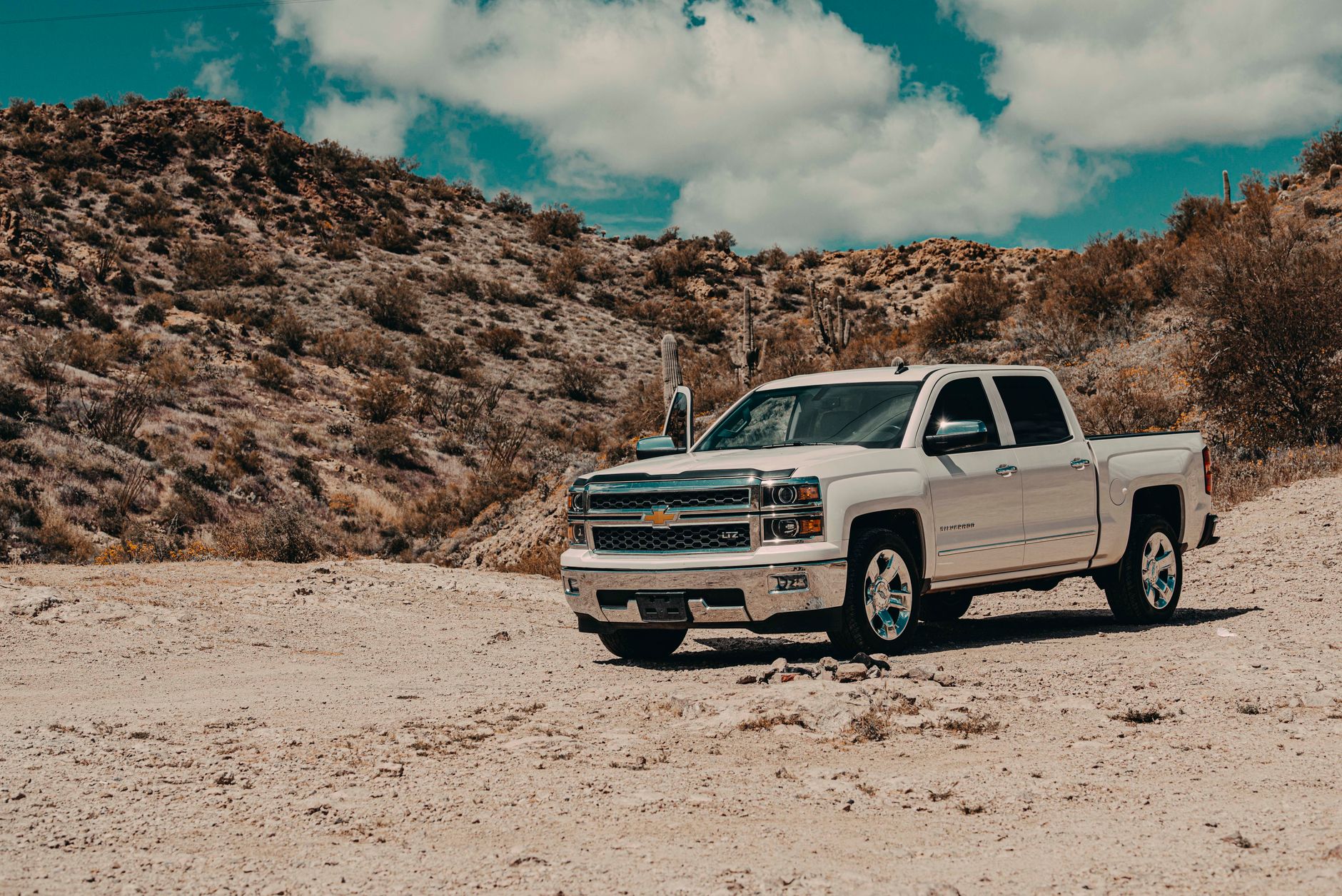
The 2026 SEMA show floor made one thing abundantly clear: the era of the “sleeper” truck has officially evolved from bolt-on intakes to serious forced induction. With GM’s continued refinement of the direct-injected 5.3L and the aftermarket finally catching up with plug-and-play fuel system solutions, turbocharging these trucks has never been more accessible—or more tempting. If you’re hunting for the best turbo kit for 5.3 Silverado builds, you’re not just looking for a box of parts; you’re looking for a complete system that respects the unique packaging constraints and duty cycles of a full-size truck.
Unlike dropping a snail on a lightweight Camaro, turbocharging a Silverado requires careful consideration of weight, towing capacity, and drivetrain longevity. This guide cuts through the marketing hype to help you select a system that delivers reliable power without grenading your 6L80E transmission or turning your daily driver into a trailer queen.
Why the 5.3L LM7/L83 Is a Turbo Candidate—With Caveats
The 5.3L Vortec—whether you’re running the older LM7 iron block or the newer aluminum L83 with direct injection—has become the darling of the budget boost community for good reason. The factory hypereutectic pistons and powdered metal rods can handle 6-8 psi of boost reliably, translating to roughly 450-500 wheel horsepower on pump gas. That’s a 50% power increase over stock without cracking the engine open.
However, 2026 brings new considerations. The latest DI 5.3L engines (2014+) require high-pressure fuel pump upgrades to support boost, adding $800-1,200 to your build that older port-injected trucks don’t need. Additionally, the factory engine mounts and accessory drive weren’t designed with turbo heat in mind, meaning kit fitment varies wildly between model years.
Key Insight: If you have a 2007-2013 Silverado with the flex-fuel LMG or LC9, you’re sitting on the sweet spot for budget turbocharging—port injection, strong internals, and massive aftermarket support.
Key Components of a Complete Truck Turbo System
When evaluating the best turbo kit for 5.3 Silverado applications, ignore the headline horsepower numbers and scrutinize these four elements:
1. Turbo Sizing and Response For a truck that sees street duty, you want a 67mm to 76mm turbo with a divided T4 flange. Anything larger creates lag that makes towing miserable; anything smaller runs out of steam at highway speeds. Precision Turbo’s 7675 or VS Racing’s 7875 remain the gold standards for 2026, offering spool characteristics that mimic a positive-displacement supercharger below 3,000 RPM.
2. Manifold Design and Material Truck engines sit deeper in the bay than cars, creating clearance nightmares. Look for cast stainless steel manifolds rather than tubular headers for longevity—tubular designs crack under the vibration and heat cycles common in 4WD trucks. The best kits position the turbo low in the engine bay, maintaining factory hood clearance and keeping heat away from the brake booster.
3. Intercooler Efficiency Front-mount intercoolers (FMIC) are non-negotiable for trucks. The 2026 trend favors air-to-air setups with 3-inch cores mounted behind the grille but ahead of the radiator. Avoid “universal” kits that require hacking up your crash bar; truck-specific kits from companies like Huron Speed or Trick Performance include vehicle-specific brackets that maintain factory crash protection.
4. Wastegate and Blow-Off Valve Strategy External wastegates are mandatory for boost control precision. For 2026, electronic boost controllers paired with 44mm or 50mm gates allow you to run a “towing tune” (4-5 psi) and a “performance tune” (8-10 psi) with the flick of a switch.
Matching the Kit to Your Silverado’s Mission
The biggest mistake Silverado owners make is buying a race kit for a street truck. Here’s how to match hardware to your actual use case:
The Towing/Work Truck Setup If you’re hauling equipment or a camper, prioritize low-end torque over peak horsepower. Look for kits featuring:
- Twin-scroll turbos (like the Garrett G30-770) for faster spool
- Stock-location turbos that retain the factory exhaust manifolds (log style)
- Water-methanol injection ports pre-installed for cooling under load
- Target boost: 5-7 psi maximum to preserve transmission life
The Street/Strip Weekend Warrior For trucks that see occasional drag strip duty:
- Single 76mm turbo with a .96 A/R turbine housing
- Tubular manifolds (accept the maintenance for the flow)
- Dual 44mm wastegates for precise boost control
- Target boost: 8-12 psi with methanol injection
The Daily Driver Sleeper Keep it stock-appearing with:
- Rear-mount or “under-bed” turbo systems (like those from STS or newer 2026 entries from Boosted Performance)
- Stock exhaust manifolds with a crossover pipe
- 65mm turbo for instant response
- Target boost: 6-8 psi, maintaining factory fuel economy when off boost
Supporting Mods You Can’t Skip
No turbo kit operates in a vacuum. To reach 500 reliable horsepower in your Silverado, budget for these essentials:
Fuel System: The factory 5.3L fuel pump maxes out around 420 horsepower. You’ll need a Walbro 450 or AEM 400lph in-tank pump (for return-style systems) or a complete DI fuel pump upgrade (for 2014+ trucks). Injectors should flow at least 60 lbs/hr for pump gas, 80 lbs/hr if you plan to run E85.
Transmission: The 6L80E behind most 5.3L Silverados is the weak link. At minimum, install a transmission cooler with a fan (Derale or Mishimoto) and a tune that increases line pressure. For sustained boost, budget for a built transmission with upgraded clutch packs—$2,500-3,500 in 2026 money.
Cooling: Turbocharged trucks generate massive underhood heat. A 180-degree thermostat, upgraded radiator, and oil cooler are mandatory. Consider ceramic coating your hot-side piping to keep intake temps down.
Tuning: This isn’t a mail-order flash situation. You need a custom dyno tune from someone experienced with GM’s torque management systems. HP Tuners remains the platform of choice, but ensure your tuner understands how to adjust the virtual torque tables in the TCM to prevent transmission slip.
Installation Realities and Common Pitfalls
Even the best turbo kit for 5.3 Silverado trucks requires 20-30 hours of labor for a competent DIYer. The 2026 kits have improved dramatically, but watch for these truck-specific headaches:
Oil Drain Issues: The 5.3L oil pan sits high in the chassis. Many kits require you to tap the pan for a -10AN drain line, but the angle often causes oil pooling. Invest in a scavenge pump if your turbo sits lower than the pan rail—it’s cheap insurance against smoking turbos.
Downpipe Clearance: 4WD Silverados have a front differential that fights for space with downpipes. Some kits require a clockable turbo housing to route the downpipe behind the front driveshaft. Test-fit before final welding.
Heat Management: The factory plastic fan shroud melts under turbo heat. Upgrade to a metal shroud or electric fan setup (SPAL or similar) before your first pull. Also, wrap your downpipe—radiant heat will cook your starter and wiring harness otherwise.
EGR and Emissions: As of 2026, federal and state emissions testing has tightened. If you live in a testing county, look for kits that retain the factory EGR function or offer “green” catalytic converter options. Many 2026 kits now include high-flow cats specifically for boosted applications.
Final Verdict
Selecting the best turbo kit for 5.3 Silverado ownership in 2026 comes down to honesty about your goals. If you’re towing a boat every weekend, a modest 6-psi system with a stock-location turbo and upgraded cooling will serve you better than a peaky race kit. If you’re building a street sleeper, invest in quality fuel system components and a conservative tune that prioritizes longevity over dyno bragging rights.
The 5.3L responds beautifully to boost when treated with respect—delivering V8 diesel-like torque with gasoline refinement. Start with a complete, truck-specific kit rather than piecing together universal parts, budget an extra 30% for supporting modifications, and find a tuner who understands that a truck needs to work Monday through Friday, not just make power on Saturday. Do it right, and you’ll have a Silverado that surprises Corvettes while still hauling your project car home from the track.