
Best Turbo Kit for Street Driving: The 2026 Daily-Driver Buyer's Guide
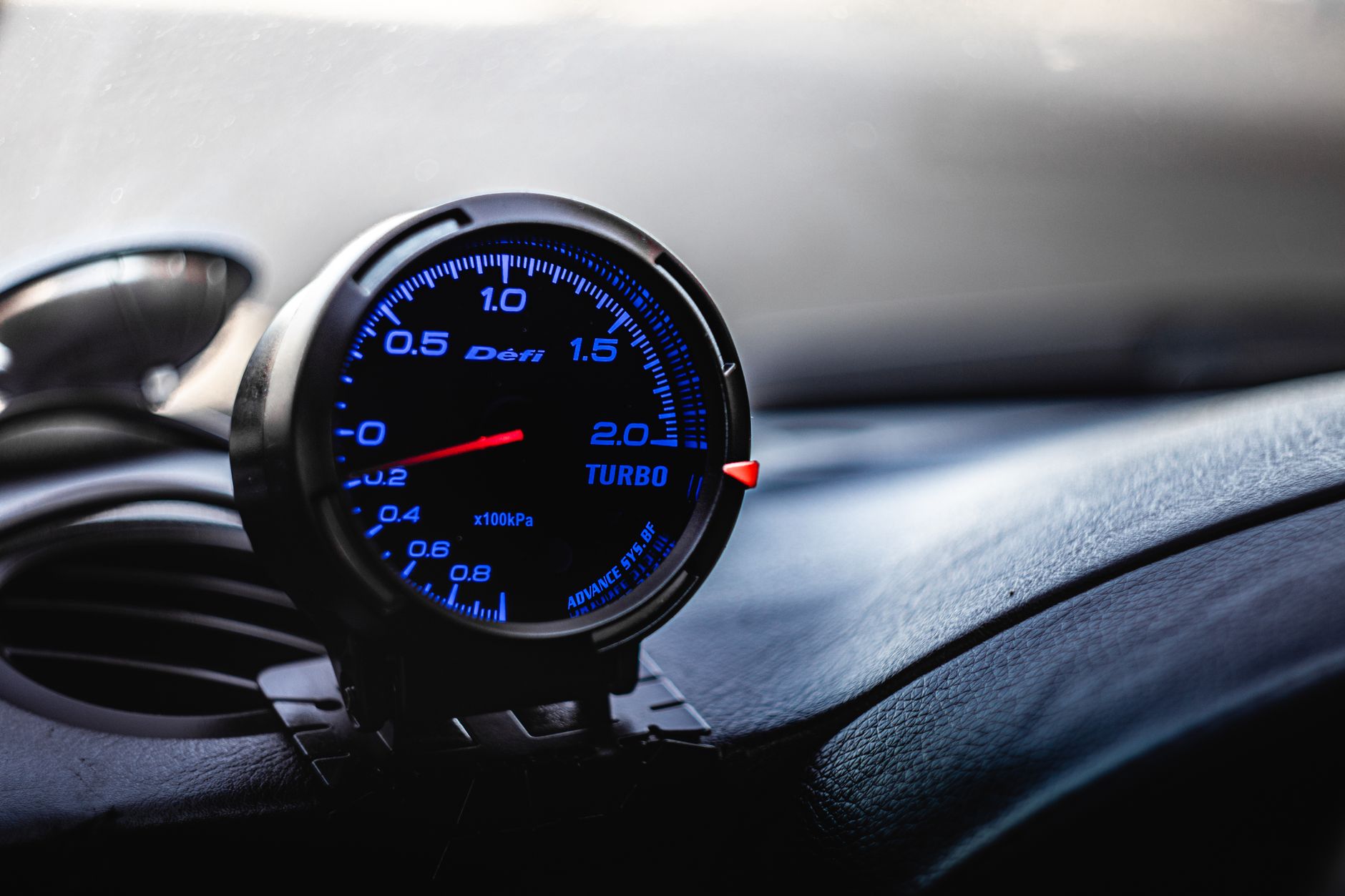
If you’ve spent any time on enthusiast forums or at local meets this year, you’ve noticed something: forced induction is having a moment. With factory turbo platforms like the Civic Type R, GR Corolla, and EcoBoost trucks dominating new car sales — and tuning shops reporting record demand for bolt-on boost heading into fall 2026 — more drivers are asking the same question: what’s the best turbo kit for street driving?
The answer isn’t the biggest turbo or the highest peak horsepower number. Street driving demands something different than a drag strip or time attack build. You need throttle response at 2,000 RPM in third gear, reliability in stop-and-go traffic, and a powerband that doesn’t turn your commute into a laggy, surging mess. This guide cuts through the marketing noise to help you pick a kit that actually works on real roads.
What Makes a Turbo Kit “Street-Friendly”?
Before we name names, understand the criteria that separate a street kit from a race kit:
Spool characteristics matter more than peak power. A turbo that makes 500 whp but doesn’t build boost until 4,500 RPM is miserable in daily traffic. Look for kits designed to reach full boost by 2,800–3,200 RPM in most applications.
Heat management is non-negotiable. Street cars sit in traffic. A quality street kit includes a proper intercooler, heat shielding, and oil/coolant lines rated for sustained use — not just a 10-second pull.
Tuning support is everything. The best hardware in the world is useless without a reliable calibration. Prioritize kits with proven off-the-shelf tunes or strong community support for your specific platform.
Drivability features. Wastegate placement, blow-off valve quality, and downpipe design all affect how the car behaves at part throttle — which is where you spend 90% of your street time.
Best Turbo Kit for Street Driving: Top Picks for 2026
Here are the kits earning the strongest reputations among street builders right now, across different platforms and budgets.
For EcoBoost and small-displacement platforms: Garrett PowerMax series. Garrett’s direct-fit PowerMax turbos (available for the Mustang EcoBoost, Focus RS, and several truck applications) remain the gold standard for street response. The dual-ball-bearing CHRA spools noticeably faster than journal-bearing competitors, and the compressor maps are optimized for the 15–22 PSI range most street tunes target. Expect 60–90 whp gains over stock with supporting mods, and — critically — factory-like cold-start and idle behavior.
For Honda/Acura K-series and B-series: Full-Race street kits. Full-Race has built its reputation on kits that survive daily abuse. Their street-oriented setups typically pair a Garrett G25-550 or G25-660 with a twin-scroll manifold, delivering 350–450 whp on pump gas with spool characteristics that feel almost naturally aspirated below 3,000 RPM. The kit quality — mandrel-bent piping, proper bracketry, genuine Garrett cores — justifies the premium pricing.
For GM LS and LT V8s: single-turbo “sleeper” kits from Huron Speed or On3 Performance. If you want 500–600 streetable horsepower from a Camaro, Silverado, or LS-swapped project, a single 7675 or 7875 turbo mounted low in the engine bay keeps heat away from the intake and preserves factory accessories. On3’s budget-friendly kits have improved dramatically in fitment since 2023, though plan on upgrading their wastegate and blow-off valve immediately.
For BMW B58 and Toyota GR platforms: Pure Turbos Stage 2 or Boost Logic bolt-ons. The B58 responds beautifully to a simple turbo swap — Pure’s Stage 2 unit supports 550+ whp while retaining factory spool characteristics thanks to a carefully sized turbine housing. Pair it with a proper charge pipe and intercooler (the factory plastic unit is a known failure point above 20 PSI).
Sizing Math: Don’t Overbuy Your Turbo
The single most common street turbo mistake is buying too big. Here’s a practical framework:
- Target 0.5–0.7 bar (7–10 PSI) for a stock-engine street build. This typically adds 40–60% power without stressing factory internals.
- Match compressor flow to your realistic redline, not your dreams. If you shift at 6,500 RPM on the street, size for that — not the 8,000 RPM you might see at a track day once a year.
- Turbine housing A/R ratio: for street use, stay conservative. A 0.63–0.82 A/R on a four-cylinder, or 0.96–1.06 on a V8, keeps low-end response crisp.
A real-world example: a GR Corolla owner running a G25-660 at 24 PSI makes roughly 380 whp with full boost by 3,100 RPM. The same car with a G30-770 makes 450 whp — but doesn’t hit full boost until 4,200 RPM and feels gutless in second-gear traffic. On the street, the smaller turbo is faster point-to-point.
Supporting Mods That Make or Break a Street Turbo Build
Budget an additional 30–40% beyond the kit price for these essentials:
Fuel system: Most direct-injection platforms need an upgraded HPFP or port injection supplement beyond 20 PSI. Don’t learn this the hard way.
Intercooler: A front-mount with a core volume of at least 600 cubic inches keeps intake temps stable in summer traffic. Heat soak kills power and consistency.
Oil and coolant management: A turbo timer isn’t necessary with modern water-cooled cartridges, but a 60-second cool-down idle after hard driving extends bearing life significantly. Synthetic oil changes every 5,000 miles — not the factory 10,000 interval — are cheap insurance.
Clutch and drivetrain: A street turbo car making 100+ lb-ft over stock will expose a worn clutch within weeks. Budget for an upgraded clutch rated at least 20% above your target torque.
Tuning: Where Street Builds Live or Die
A conservative, well-executed tune beats an aggressive one every time on the street. Insist on:
- A conservative timing map with knock sensor feedback active
- Boost-by-gear limiting (lower boost in first and second) to protect traction and drivetrain
- A proper warm-up enrichment strategy so the car drives normally on cold mornings
Remote tuning has matured dramatically — platforms like HP Tuners, Cobb Accessport, and EcuTek now support most popular turbo applications with datalogging that lets your tuner dial in part-throttle behavior, not just wide-open pulls.
The Bottom Line
The best turbo kit for street driving in 2026 isn’t a single product — it’s a matched system sized for response, supported by fuel and cooling upgrades, and finished with a conservative tune. For most drivers, that means a Garrett-based kit in the 350–500 whp range with full boost by 3,200 RPM, quality supporting hardware, and a tuner who understands drivability.
Start with your realistic power goal, add 15% for headroom, and choose the smallest turbo that gets you there. Your commute — and your engine — will thank you. Ready to plan your build? Check your platform’s community forums for dyno-proven combinations, and don’t skip the supporting mods that make street boost reliable for the long haul.