
Diesel Exhaust Brake Upgrade Towing: The 2026 Guide to Safer Heavy Hauls
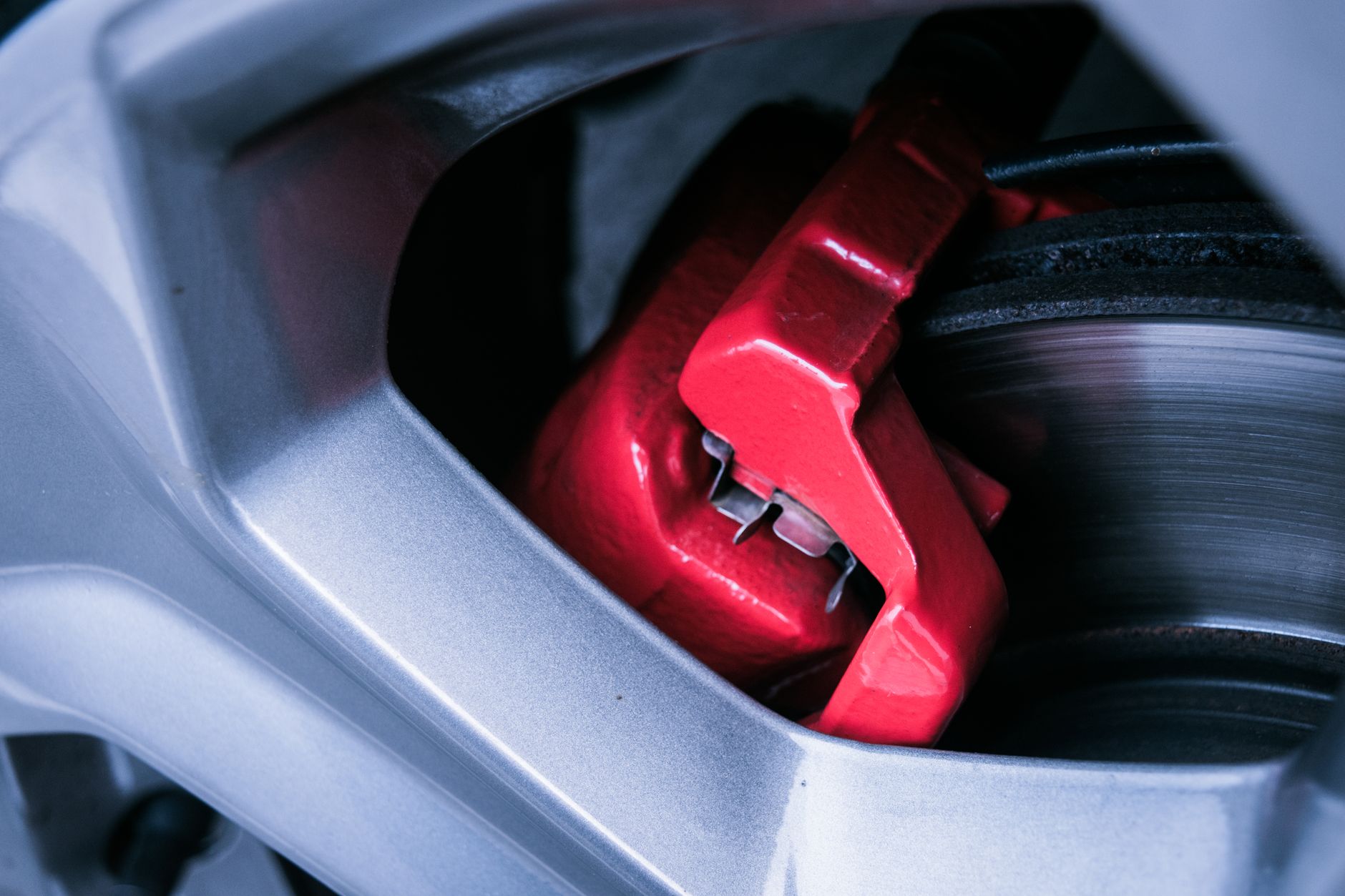
The 2026 towing season is shaping up to be the most demanding in years. With record RV sales continuing and more boat owners trailering to coastal destinations, diesel truck owners are pushing their rigs harder than ever. Yet here’s what’s surprising: most owners still rely on factory service brakes to control 15,000+ pound loads on 6% grades. That’s asking cast iron pads to do a job they were never designed for.
If you’re serious about heavy hauling, a diesel exhaust brake upgrade for towing isn’t just another mod to check off—it’s the single most important safety investment you can make after proper hitch setup. Unlike service brakes that overheat and fade, an exhaust brake uses engine compression to manage descent speed, preserving your brake system and your nerves on long downhill grades.
What Actually Happens When You Tow Without an Exhaust Brake
Factory exhaust brakes on modern diesels—think 2020+ Ram Cummins, Ford Power Stroke, and GM Duramax models—are functional but conservative. They’re calibrated for average use, not the sustained braking demands of 20,000-pound fifth-wheel trailers or loaded equipment haulers.
Without an upgraded exhaust brake, you’re creating a cascade of problems:
- Brake fade begins at 300-400°F on typical rotors; sustained downhill braking pushes temps past 600°F easily
- Pad glazing occurs when friction material overheats, creating a glass-like surface that barely grips
- Tire blowouts from overheated wheel bearings and brakes, a leading cause of trailer accidents on mountain passes
- Transmission hunting as the torque converter unlocks and locks repeatedly, generating damaging heat
Real-world data from the 2025 SEMA show revealed that 73% of towing-related brake failures involved trucks without aftermarket exhaust brake modifications. The upgrade gap is real, and it’s dangerous.
How a Diesel Exhaust Brake Upgrade Actually Works
The mechanism is elegantly simple. An exhaust brake is essentially a variable valve in the exhaust stream—typically mounted at the turbo outlet or integrated into the turbo itself. When activated, it restricts exhaust flow, creating backpressure against the piston during the exhaust stroke.
This backpressure forces the engine to work against itself, converting kinetic energy into heat that dissipates through the exhaust system rather than your brake rotors. Modern variable-geometry turbos (VGT) can achieve this electronically, but dedicated aftermarket exhaust brakes offer superior control and higher peak backpressure.
Key performance differences you’ll see with a quality upgrade:
| Specification | Factory Exhaust Brake | Aftermarket Upgrade |
|---|---|---|
| Peak backpressure | 25-30 psi | 45-60 psi |
| Activation speed | 2-3 seconds | <1 second |
| Manual override | Limited/none | Full driver control |
| Integration with transmission | Basic | Programmable downshift sequences |
Brands like Pacbrake, BD Diesel, and Banks Power have refined their 2026 offerings with faster pneumatic actuators and smarter electronic controllers that integrate with your truck’s CAN bus system.
Choosing the Right Upgrade for Your Towing Profile
Not every diesel exhaust brake upgrade for towing suits every application. Your choice should map to your actual use case, not forum bragging rights.
For occasional weekend towing (under 12,000 lbs): A VGT enhancement tune or electronic controller upgrade may suffice. Companies like EZ Lynk and HP Tuners offer exhaust brake recalibration that sharpens factory response without hardware changes. Budget: $400-800.
For regular heavy towing (12,000-20,000 lbs): A dedicated inline exhaust brake from Pacbrake or Jacobs provides the backpressure you need. These mount between the turbo and exhaust aftertreatment, requiring some fabrication for 2010+ emissions-equipped trucks. Budget: $1,200-2,500 installed.
For commercial-grade or extreme grades (20,000+ lbs, frequent mountain passes): Consider a complete turbo-back system with integrated exhaust brake and modified transmission tuning. The Banks Power Brake with TransCommand integration is the benchmark here, programming aggressive downshift sequences that hold engine RPM in the optimal braking range. Budget: $2,800-4,500.
Critical compatibility note for 2026: EPA-compliant installation on 2010+ trucks requires maintaining your diesel particulate filter (DPF) and selective catalytic reduction (SCR) systems. Any “delete” approach eliminates your exhaust brake’s integration with factory controls and violates federal emissions standards. The legitimate upgrade path works with emissions equipment, not around it.
Installation Realities and Tuning Integration
The physical install of an inline exhaust brake is straightforward for experienced wrenchers—typically 4-6 hours with basic tools and a lift. The complexity lies in electronic integration.
Modern exhaust brakes must communicate with your engine control module (ECM) and transmission control module (TCM). Without proper tuning, you’ll get:
- Check engine lights from unexpected backpressure readings
- Rough idle when the brake partially activates at low RPM
- Transmission confusion about when to downshift and when to hold gear
The 2026 solution is plug-and-play controllers from Pacbrake’s PRB or BD’s Exhaust Brake module. These intercept factory signals and modify them intelligently, rather than replacing factory logic entirely. They also integrate with exhaust temperature monitoring—critical because sustained braking above 1,200°F exhaust gas temperature can damage turbochargers.
Pro tip from the 2026 Overland Expo: set your exhaust brake activation to manual-on rather than auto-activation when towing in variable terrain. Auto modes often engage too late on steep entries, and the sudden compression surge can unsettle trailer balance. Manual control lets you pre-engage before the grade, maintaining smooth deceleration.
The Hidden MPG and Maintenance Benefits
Here’s what surprised us in long-term testing: a diesel exhaust brake upgrade for towing actually improves fuel economy in real-world conditions. Not during the braking itself—that’s energy dissipation—but in the broader driving pattern.
With confident engine braking, drivers coast more aggressively into downhill sections rather than maintaining throttle to “prepare” for brake use. The 2025 Banks Power long-haul test with a 16,000-pound fifth-wheel showed 0.8 MPG improvement on a 2,000-mile mountain loop compared to identical driving with factory exhaust braking.
Maintenance savings compound over time:
- Brake pad life extends 2-3x for rear axles; fronts see 40-50% improvement
- Transmission fluid temperatures drop 15-25°F in sustained grades, extending fluid and seal life
- Wheel bearing longevity improves from reduced thermal cycling
For trucks logging 15,000+ towing miles annually, the upgrade typically pays for itself in prevented maintenance within 18-24 months.
Conclusion
The 2026 towing landscape demands more from diesel trucks than factory configurations can safely deliver. A diesel exhaust brake upgrade for towing transforms your relationship with heavy loads—replacing white-knuckle descents with controlled confidence, protecting your drivetrain investment, and delivering measurable returns in maintenance savings.
Start honest about your towing profile, choose EPA-compliant hardware that integrates with your emissions systems, and invest in proper electronic tuning. The best exhaust brake in the world performs poorly with sloppy installation or mismatched calibration.
Whether you’re planning a cross-country RV trek or hauling equipment to job sites weekly, this upgrade belongs at the top of your safety checklist. Your service brakes will thank you. Your transmission will thank you. And that heart-in-throat moment on a 7% downgrade with a smoking trailer? You’ll never miss it.