
Is the M2 Performance Track Kit Worth It? A Real-World Cost-Benefit Breakdown for Weekend Warriors
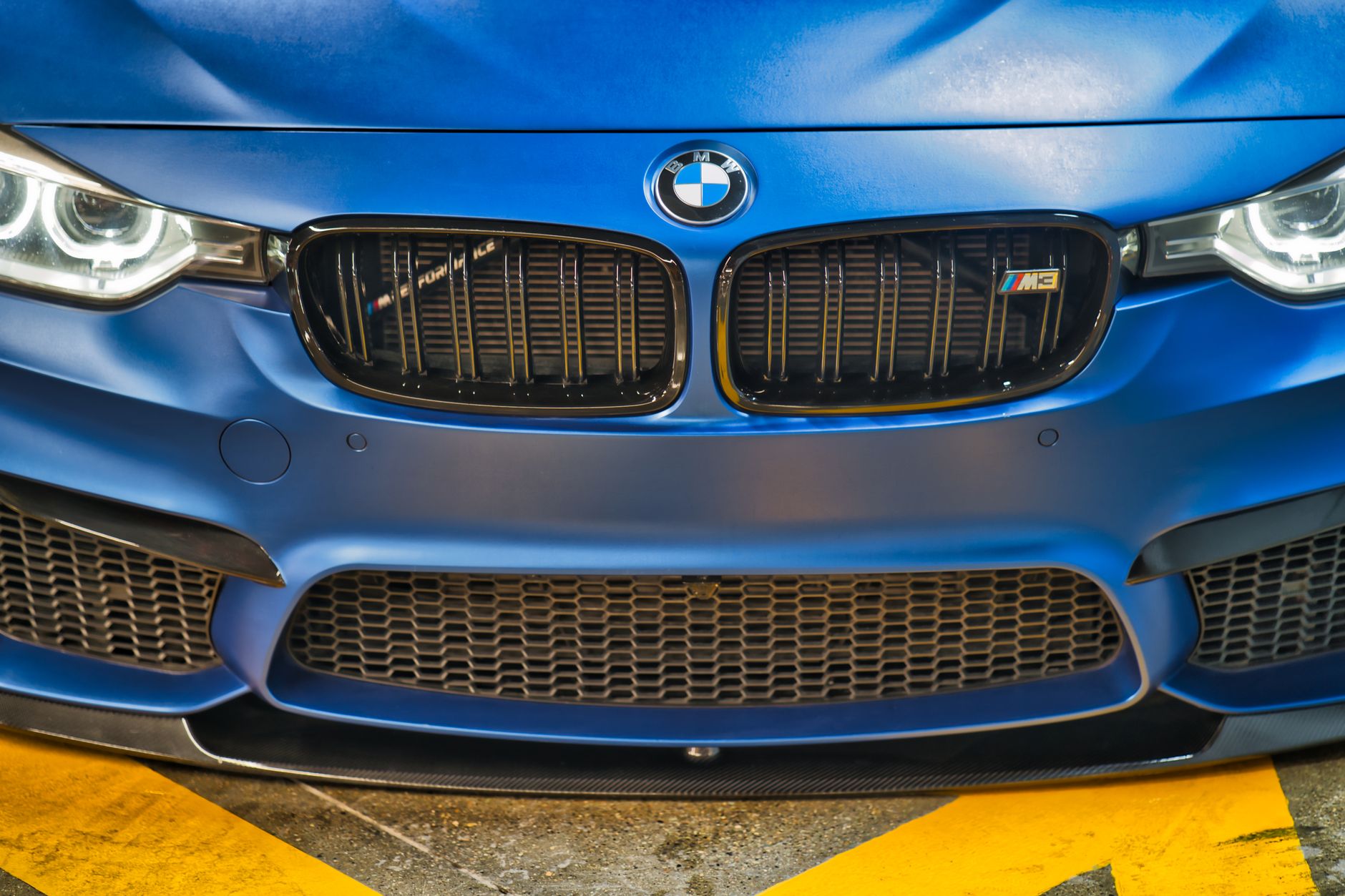
The 2026 track season is already heating up, and if you’ve been anywhere near the paddock lately, you’ve noticed something: the BMW G87 M2 is everywhere. With BMW’s M division pushing harder into “road-legal track” marketing and shops like Automotive Dynamics highlighting the M2 in their “Top 8 Performance Upgrades for Your Luxury Vehicle” roundups, the question isn’t whether the M2 can perform—it’s whether BMW’s factory M2 Performance Track Kit is the smartest way to get there.
So let’s cut through the brochure speak. Is the M2 Performance Track Kit worth it for someone who actually pays for their own tires, drives to the track, and needs to drive home afterward?
What the M2 Performance Track Kit Actually Includes (And What It Doesn’t)
BMW’s official kit sounds comprehensive on paper: adjustable coilover suspension, upgraded anti-roll bars, track-optimized brake pads, a strut brace, and unique 19-inch/20-inch wheel fitment with cup tires. What they don’t advertise as loudly? The kit runs roughly $8,500–$9,200 installed at most dealers, and that’s before you address the exhaust, cooling, or software limitations.
Here’s the breakdown enthusiasts actually need:
- Coilovers: KW-built, height-adjustable, but not independently corner-balanced without extra labor
- Brake pads: Pagid-derived compounds, excellent bite, dusty as hell for daily driving
- Wheels/tires: Forged alloys wrapped in Michelin Pilot Sport Cup 2s—grippy, short-lived, and $400+ per tire to replace
- Strut brace: Genuine chassis stiffening, but minimal adjustability for camber gains
The gap? No limited-slip differential upgrade, no additional cooling capacity, and no engine software changes. For a car that already makes 453 hp from the S58, that’s significant.
The Hidden Costs Nobody Talks About
Let’s talk numbers. We spoke with three track day regulars running G87s this season, and their experiences reveal the real math.
Annual ownership math for the full track kit:
- Initial kit + install: ~$9,000
- Tire replacement (2–3 sets/year for 8–10 track days): $2,400–$3,600
- Brake pad swaps (front axle, 2x/year): $800–$1,200
- Additional alignment/corner balancing: $400–$600
That’s $13,000+ in year one for a factory solution that still leaves thermal management and power delivery on the table.
Compare that to a strategic aftermarket build: KW V3 coilovers ($2,400), Essex/AP Racing front BBK ($3,200), 18-inch track wheels with 200TW tires ($2,800), and a Misha Designs or Fall-Line cooling augmentation ($1,200). You’re at roughly $9,600 with better brake modulation, more tire options, and serviceable components.
When the Factory Kit Actually Makes Sense
This isn’t a hit piece. The M2 Performance Track Kit is worth it for a specific buyer: someone with full BMW warranty concerns, CPO coverage they don’t want to jeopardize, or a lease structure where aftermarket modifications create complications.
It’s also the path of least resistance if you want:
- Single-source warranty coverage on track-oriented components
- Resale simplicity—“factory track package” moves cars at auction
- No homework required—dealer installs, dealer services, done
One G87 owner in our network, a Chicago-based enthusiast who runs with BMW CCA, noted: “I paid the premium because my car’s a 2024, still under full warranty, and I didn’t want the ‘modified’ conversation if something grenaded on a lapping day. That peace of mind has value.”
The Smarter Hybrid Approach for 2026
Here’s where we get practical. The most satisfied G87 track rats we found aren’t running pure factory or pure aftermarket—they’re hybrid builds that cherry-pick the best of both.
The “80% solution” that saves $3,000+:
- Keep the factory strut brace ($350 used, $600 new)—it’s well-engineered and bolts right in
- Add aftermarket coilovers with better spring rate options—KW Clubsport or Öhlins Road & Track offer more adjustment range
- Run 18-inch Apex ARC-8 or Titan 7 wheels with 275/35R18 or 295/30R18 200TW tires—cheaper, more sizes available, better ride over curbs
- Upgrade pads and fluid only—Carbotech XP12 or Pagid RSL29 with Castrol SRF fluid, keep your stock rotors and calipers
- Address cooling with a CSF or Mishi auxiliary radiator—the S58 runs hot on sustained lapping
This approach preserves daily drivability, drops rotating mass, and lets you tune spring rates and damping for your specific track surface—something the fixed-rate factory kit doesn’t allow.
The Verdict: Context Is Everything
Is the M2 Performance Track Kit worth it?
If you’re chasing lap times on a budget, building a dedicated track car, or want maximum adjustability: no. The aftermarket has surpassed BMW’s factory offering in flexibility and price-performance for anyone willing to research.
If you’re warranty-sensitive, time-poor, or want the cleanest possible ownership experience with a single service point: yes, but with eyes open about the ongoing consumable costs.
The G87 M2 is a phenomenal platform—arguably the best small M car since the 1M Coupe. Whether the factory track kit is your path or a stepping stone, the car rewards thoughtful preparation. Just don’t let the M badge on the parts box convince you it’s automatically the optimal choice for your garage, your track, and your budget.
Ready to build smarter? Our suspension build guides and track day prep checklists cover the G87 specifically—because in 2026, the best upgrade is the one that matches your actual driving, not your aspirational Instagram.