
Mustang EcoBoost Performance Upgrades 2026: The Street-Driven Tuner’s Playbook
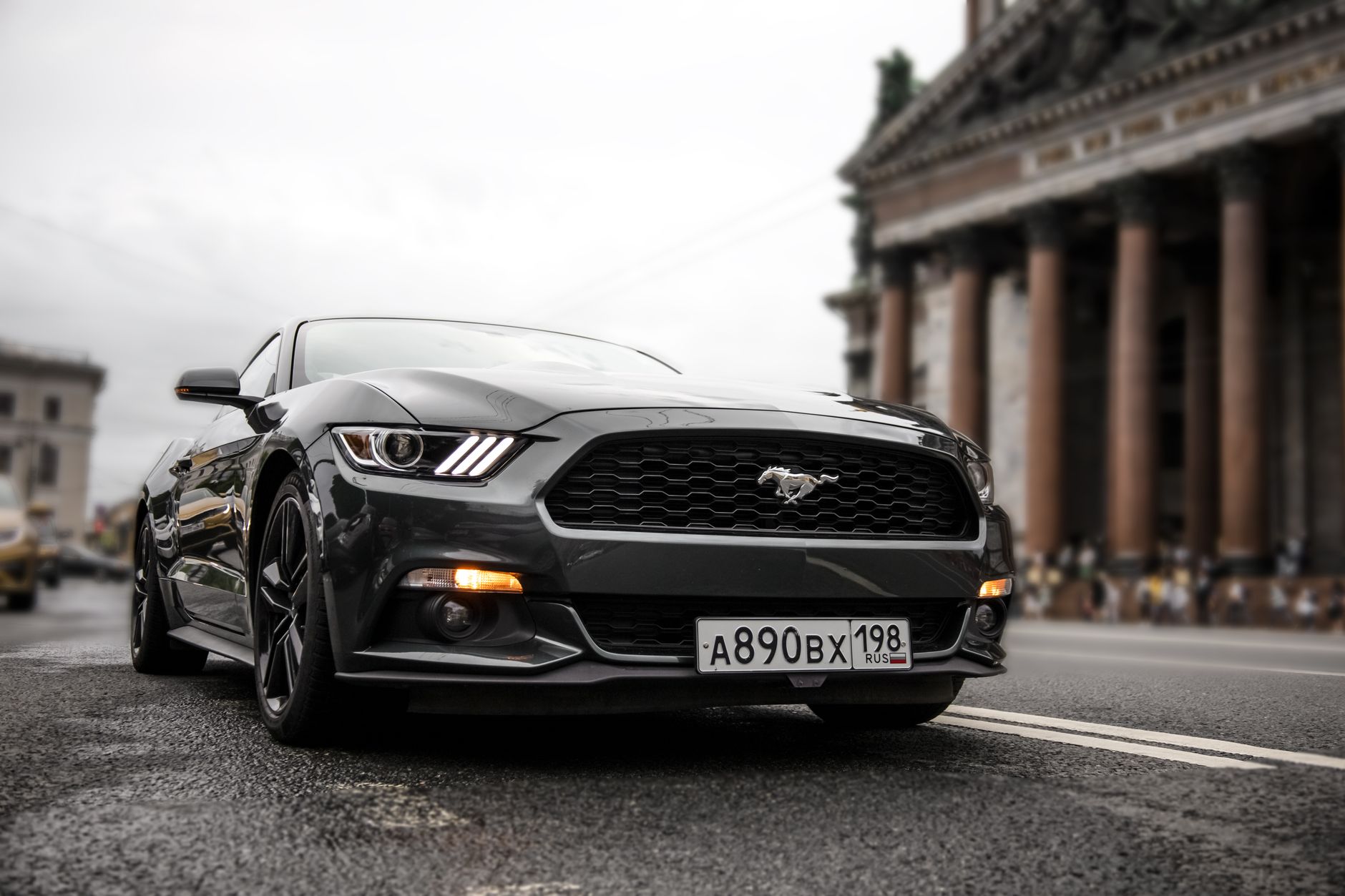
The automotive press is buzzing with “These Are the Most Anticipated New Cars of 2026” lists, and the S650 Mustang EcoBoost keeps slipping through the cracks of mainstream hype. While journalists fawn over hybrid supercars and EV reveals, the 2.3L turbo crowd is quietly building something more interesting: the most tuner-friendly four-cylinder Mustang platform Ford has ever produced. If you’re sitting on a 2024-2026 EcoBoost—or planning to grab one as prices stabilize this summer—this is your moment to build smarter, not just louder.
This guide cuts through the forum noise. We’re talking Mustang EcoBoost performance upgrades 2026 that prioritize drivability, reliability, and the kind of power you’ll actually use on real streets. No dyno-queen fantasies. No “stage 1-2-3” cookie-cutter templates. Just the parts, tuning, and philosophy that separate a fast EcoBoost from a broken one.
Why the 2026 EcoBoost Platform Rewards Methodical Builders
Ford’s S650 generation brought meaningful hardware changes that 2026 buyers benefit from directly. The 2024+ EcoBoost engines run a revised cylinder head with improved coolant flow, a larger turbo compressor wheel (still a twin-scroll, but with 5% more flow), and an engine management system that aftermarket tuners finally cracked wide open last winter.
The result? A platform that responds to bolt-ons more aggressively than the S550 ever did. We’re seeing independent dyno data showing 320-340 wheel horsepower with just a cold air intake, intercooler upgrade, and E30 tune—that’s nearly 400 crank equivalent from $2,200 in parts and a pro tune. The S550 needed a downpipe and full exhaust to touch those numbers.
But here’s the catch: the S650’s torque curve is fatter earlier in the RPM range. More low-end twist means more stress on rods and pistons if you chase big numbers without supporting mods. The 2026 EcoBuild isn’t about maximum power—it’s about sustainable power that won’t lunch your short block at 40,000 miles.
The Turbo Trinity: Intercooler, Downpipe, and Tune Priority
Every experienced EcoBoost builder has learned this lesson, usually the expensive way. The stock intercooler is a heat-soaked nightmare after three consecutive pulls. The stock downpipe? A cast iron chokepoint with a cat that melts into your turbo’s exhaust wheel if you push it hard on California 91 octane.
Your first $1,500 should go here, in this order:
- Upgraded intercooler — CVF, Mishimoto, or Whipple’s new S650-specific unit. Look for 600+ CFM flow and bar-plate construction. The 2026 summer heat is brutal on air-to-air units; don’t cheap out on tube-and-fin.
- Catted downpipe — Keep it legal, keep it flowing. A 200-cell high-flow cat from Flowmaster or Borla drops exhaust gas temps 150°F and spool time by 200-300 RPM.
- Custom tune on E30 or 93 octane — Not a canned flash. Find a local tuner with S650 experience or remote-tune with PD Tuning, TunePlus, or Livernois. The 2026 calibrations are sophisticated enough that off-the-shelf maps leave 15-20% of your parts’ potential on the table.
Dyno-verified result from this trinity: 340-360 wheel horsepower, 390-410 lb-ft torque. That’s V8 territory from 2005, with 700 pounds less mass and modern suspension.
Suspension: Where EcoBoost Builds Actually Beat GTs
Here’s your unfair advantage. The 2026 EcoBoost weighs 200-250 pounds less than a comparable GT, and that weight comes entirely off the nose. Less iron over the front axle means sharper turn-in, less understeer, and more effective suspension upgrades per dollar spent.
The factory MagneRide option—available on Premium and California Special trims—was recalibrated for 2026 with faster damper response. But even base suspension cars benefit enormously from targeted chassis work:
- Lowering springs with proper damping: Eibach Pro-Kit or Steeda Sport springs paired with Koni Sport adjustable shocks. Drop 1.2” front, 1.0” rear. Any lower and you sacrifice bump travel for Midwest potholes.
- Chassis bracing: The S650 has a known flex point at the rear subframe. A BMR rear cradle lockout and Steeda stop the hop kit transforms launches. Wheel hop isn’t just annoying—it’s rod-bending expensive on hard launches.
- Wheel and tire package: 19x9.5” or 19x10” square setup with 275/40-19 Michelin Pilot Sport 4S tires. The 2026 EcoBoost’s 255-width factory rubber is the single biggest limiter to putting power down. Skip the 20” trend; tire sidewall is your friend on rough pavement.
A properly suspended EcoBoost will embarrass GTs on autocross courses and technical backroads. The power deficit matters less when you’re carrying more speed through corners.
The 2026 Tuning Landscape: E85 Infrastructure and Remote Tuning Maturity
Two years ago, finding consistent E85 in rural areas was a gamble. In 2026, the infrastructure has shifted dramatically. Major chains now guarantee 85% ethanol content at the pump, and portable test kits are cheap insurance. For EcoBoost owners, this changes everything.
E30 tuning—roughly 30% ethanol, 70% gasoline—delivers the knock resistance of race fuel with pump availability. The S650’s fuel system handles it stock up to about E40. Beyond that, you need upgraded injectors and a low-pressure fuel pump, but the crossover point where that’s worthwhile is around 400 wheel horsepower.
More importantly, remote tuning has matured. The 2026 ecosystem includes datalogging apps that stream directly to your tuner in real-time, with revision turnaround in 24-48 hours. You don’t need to trailer your car to a dyno shop three states away. Companies like TunePlus and Freektune have built their entire business on this model, with thousands of S650 calibrations in their libraries.
One 2026-specific note: Ford’s latest powertrain software updates include enhanced tamper detection. A reputable tuner will account for this, ensuring your calibration doesn’t trigger warranty flags or emissions monitors. Ask specifically about OBD-II readiness routines before committing to any tune.
The “One Car” Philosophy: Building for Daily Reality
The most successful 2026 EcoBoost builds share a common trait: they’re designed around actual use, not aspirational track days that happen twice a year. This means:
- Retaining catalytic converters and mufflers — Modern high-flow cats flow remarkably well. The 5-7 horsepower you sacrifice versus catless is worth keeping your car street-legal and your cabin livable.
- Preserving MagneRide or adaptive dampers — Coilovers are tempting, but factory electronic damping integrates with stability control and launch modes. Unless you’re building a dedicated track car, work with these systems, not against them.
- Planning your power ceiling — 350 wheel horsepower is the sweet spot for stock internals and daily reliability. Beyond that, you’re in built short-block territory. Budget $6,000-8,000 for rods, pistons, and machine work if you want to chase 400+ responsibly.
The best Mustang EcoBoost performance upgrades 2026 aren’t the ones that win internet arguments. They’re the ones that start every morning without drama, put down power in third gear on a 95-degree day, and still let you hear your passenger at 75 mph.
Conclusion: Your 2026 EcoBoost Build Starts With Honest Priorities
The S650 EcoBoost isn’t a GT replacement, and it doesn’t need to be. It’s a distinct platform with distinct advantages: lighter weight, lower center of gravity, better weight distribution, and turbo flexibility that naturally aspirated V8s can’t match. The Mustang EcoBoost performance upgrades 2026 that matter most respect these differences rather than trying to compensate for them.
Start with thermal management and breathing. Upgrade your contact patches and chassis rigidity. Tune conservatively for your fuel quality and driving environment. And build incrementally—each modification should solve a specific limitation you’ve actually encountered, not a theoretical problem from a forum thread.
The most anticipated cars of 2026 might grab headlines, but the most satisfying builds happen in garages where owners understand their machines. Your EcoBoost is already capable of more than most drivers will ever extract. The question isn’t how much power you can make. It’s how much power you can use, every single day, without compromise.