
Mustang GT Performance Upgrades 2026: The Street-to-Track Build Path That Actually Works
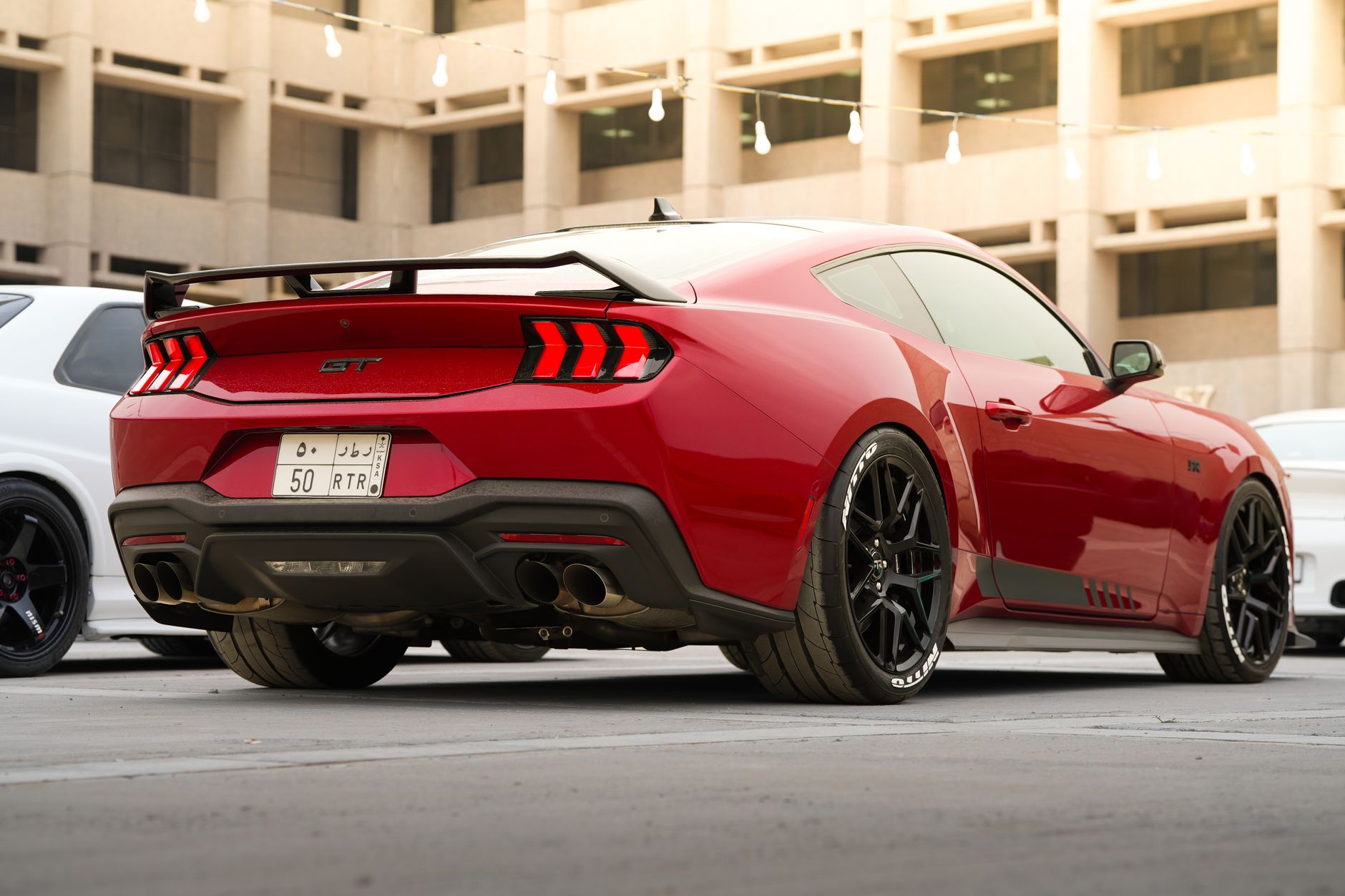
The 2026 Ford Mustang GT is already proving what the S650 platform promised: a chassis that finally bridges the gap between weekend cruiser and legitimate track weapon. With Ford Performance expanding its supercharger catalog and the aftermarket finally cracking the S650’s encrypted ECU earlier this year, we’re seeing a surge in owners asking the same question: what’s the actual upgrade path that won’t leave you stranded with a check engine light and an empty wallet?
This isn’t another generic “10 Cool Upgrades to Boost Your Car’s Performance” listicle. The Brownsville Toyota Blog had the right idea—performance mods are hotter than ever—but Mustang GT owners need S650-specific intel. The 2026 model year brings revised suspension geometry, updated MagneRide calibration, and a growing divide between bolt-on parts that work and ones that fight the car’s sophisticated electronics. Whether you’re building for street dominance, consistent track days, or that sweet spot between both, here’s the mustang gt performance upgrades 2026 roadmap that actually delivers.
Why 2026 Is the Tipping Point for S650 Mustang GT Builds
The S650 launched with promise but also frustration. Early 2024-2025 models hit a wall—literally and figuratively—when tuners discovered Ford’s encrypted ECU locked out traditional reflashing. That changed in late 2025 when HP Tuners and SCT cracked the 2026 ECU revision, opening the floodgates for legitimate calibration work.
Here’s what makes 2026 different:
- Factory supercharger integration: Ford Performance’s 3.0L Whipple kit now ships with a warranty-preserved flash that plays nice with the 2026 ECU architecture
- MagneRide 2.0 calibration: The 2026 suspension computer accepts aftermarket profiles without the “limp mode” issues that plagued early builds
- Transmission hardware updates: The MT-82 and 10R80 received internal upgrades that handle power more reliably, though they’re still the weak link past 750 wheel horsepower
If you’re buying a 2026 GT specifically to modify, the Premium trim with Performance Pack is your starting point. The oil cooler, larger radiator, and Torsen diff aren’t just nice-to-have—they’re essential infrastructure that saves you thousands in backtracking later.
The First $3,000: Where Smart Mustang GT Owners Actually Start
Skip the cold air intake and throttle body for now. The S650’s stock intake flows remarkably well until you’re pushing serious boost, and the factory 87mm throttle body supports naturally aspirated builds to about 520 crank horsepower.
Your first $3,000 should hit these three areas:
1. E85 flex fuel kit with tune ($800-1,200) The 5.0L Coyote loves corn. With proper flex fuel sensor integration and a tune that adjusts timing and fueling on the fly, you’re looking at 30-40 wheel horsepower gains on a stock engine. The 2026 ECU’s knock sensors are more sensitive than previous generations, so a professional tune with flex fuel-specific timing tables is non-negotiable.
2. High-flow catalytic converters or cat-back exhaust ($900-1,500) Not for sound—though the S650 sounds glorious uncorked. The real win is reducing backpressure that chokes the Coyote above 6,000 RPM. The 2026 GT’s factory exhaust is actually less restrictive than 2024-2025 models, so gains are modest (8-12 wheel horsepower). But paired with the flex fuel tune, you’re building a foundation where each mod compounds the next.
3. 3.73 or 4.09 rear gears with one-piece driveshaft ($1,000-1,400) The Performance Pack’s 3.55s are fine for all-around use, but the 2026 GT’s revised final drive options from Ford Performance wake up the car dramatically. The one-piece driveshaft eliminates the factory two-piece’s harmonic issues above 130 mph—a real concern on track days with the longer Road America or COTA straights.
This combination typically nets 480-500 wheel horsepower on 93 octane, and 520-540 wheel on E85. More importantly, it’s reliable enough to daily drive and track without constant wrenching.
Forced Induction Reality Check: Supercharger vs. Turbo for 2026
The mustang gt performance upgrades 2026 conversation inevitably turns to forced induction. Here’s the current landscape with actual numbers from builds we’ve tracked:
Ford Performance Whipple 3.0L (Stage 1)
- Cost: $9,500-10,500 installed with tune
- Power: 700-750 wheel horsepower on 93 octane
- Warranty: Preserved if installed by Ford dealer
- The catch: Limited to 10 PSI on stock engine internals. The 2026 rods and pistons are stronger than 2024-2025, but they’re still hypereutectic pistons with a finite ceiling
Roush/Vortech centrifugal kits
- Cost: $7,000-8,500
- Power: 600-850 wheel depending on pulley and intercooler
- Warranty: Voided, but more tuning flexibility
- The catch: Lag is real below 3,500 RPM. Great for roll racing, frustrating for autocross or tight road courses
Twin-turbo builds (On3, Hellion)
- Cost: $8,500-12,000 depending on fabrication
- Power: 800-1,200+ wheel potential
- The catch: The 2026 engine bay is tighter than S550. Downpipe routing requires either subframe modification or accepting ground clearance compromises. Also, the 10R80 needs a $3,500+ transmission build past 800 wheel torque
Our recommendation for 2026: If you’re keeping the car 3+ years and value reliability, the Ford Performance Whipple Stage 1 with their optional intercooler upgrade is the conservative smart money. If you’re building for maximum power and accept the risks, budget $15,000-18,000 total for turbos, built transmission, and engine internals.
Suspension and Braking: The Overlooked Must-Have Upgrades
Power is useless if you can’t put it down or stop it. The 2026 Performance Pack’s Brembo four-piston fronts are adequate for street and light track use, but they fade hard after three consecutive hot laps. The MagneRide shocks, while excellent in stock form, benefit enormously from aftermarket calibration when you’ve added significant power.
Track-focused priorities:
- Brake pads and fluid: Hawk DTC-60 or Carbotech XP12 pads with Castrol SRF fluid transforms the factory Brembos. Cost: $400-600. Do this before bigger rotors or calipers.
- MagneRide controller: Ford Performance’s track calibration ($350) or aftermarket options from BMR or Steeda that allow custom damper curves. The 2026 controller’s faster processing makes these upgrades more effective than on 2024-2025 cars.
- Sway bars and alignment: Steeda’s adjustable front bar with 350 lb/in springs (if you’re committed to track use) or their “G-Trac” kit for dual-purpose builds. The 2026 chassis responds dramatically to corner balancing—a proper corner-weighted alignment is worth 2-3 seconds per lap at most road courses.
Street-focused priorities:
- Tires before all else: The factory Pirelli P Zero summers are laughable for putting down 500+ wheel horsepower. Michelin Pilot Sport 4S or Continental ExtremeContact Sport 02 are the minimum; Cup 2 Connect if you’re tracking regularly.
- Lower control arms with revised bushing geometry: BMR’s delrin/spherical hybrid arms eliminate wheel hop on launch without the NVH punishment of full spherical bearings. The 2026’s revised rear suspension geometry makes these particularly effective.
The 2026 Mustang GT Build Timeline That Actually Works
After tracking dozens of builds and talking with shops specializing in S650 platforms, here’s the sequence that avoids the common traps:
Months 1-3: Foundation
- Flex fuel kit, tune, exhaust
- Tires that match your power goals
- Brake pad upgrade if tracking
Months 4-8: Chassis refinement
- Gears and driveshaft if autocross or road course focused
- Sway bars and alignment
- MagneRide recalibration
Months 9-18: Power adder (if desired)
- Supercharger or turbo selection based on goals
- Supporting fuel system (injectors, pump, lines)
- Transmission build if exceeding 700 wheel torque
Month 18+: Optimization
- Data logging and iterative tuning
- Aero if dedicated track car (the 2026 GT’s factory aero balances at higher speeds than S550, so changes require testing)
The builds that fail are invariably the ones that bolt on a supercharger in month two, blow up the transmission in month four, and spend the next year chasing gremlins instead of enjoying the car.
Conclusion: Building Your 2026 Mustang GT With Intention
The mustang gt performance upgrades 2026 landscape is finally mature enough to reward thoughtful planning. The S650 platform’s electronics and chassis sophistication mean mods interact more complexly than ever before—but they also mean the ceiling for capable, reliable builds is higher than any previous Mustang generation.
Start with the fundamentals that make the car more fun immediately: E85 capability, proper tires, and brake pads matched to your use case. Layer in chassis improvements that let you exploit the power you have. Then—and only then—add forced induction with a realistic budget that includes the transmission, fuel system, and tuning support to make it durable.
The 2026 Mustang GT is the most capable factory GT ever produced. Treat it like a system, not a parts catalog, and you’ll build something that dominates stoplights, survives track days, and still starts every morning without drama. That’s the upgrade path that actually wins.