
Subtle ECU Tune vs Full Engine Swap Cost: Which Actually Wins for Weekend Track Builds?
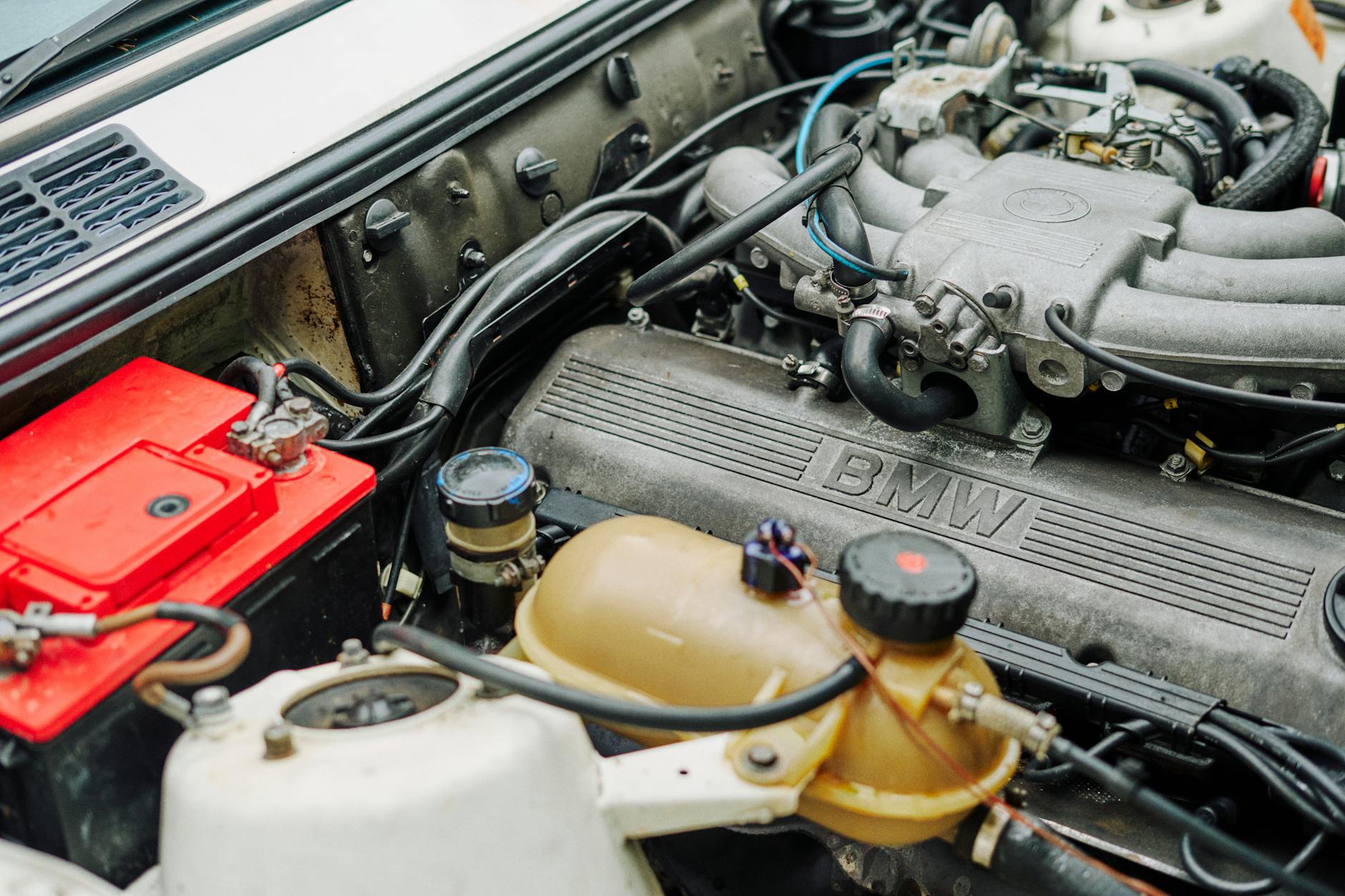
The 2026 track season is already heating up, and if you’ve been to any NASA or SCCA event this spring, you’ve noticed something: the paddock is full of cars that look stock. Not the wild widebody builds from five years ago, but clean, subtle machines with owners who’ve clearly read the room. Track-day insurance keeps climbing, mechanical failure penalties are steeper, and the smart money is flowing toward upgrades that improve reliability first, power second. That shift changes everything about how we evaluate performance investments—including the eternal debate between a subtle ECU tune vs full engine swap cost.
Why This Comparison Matters More in 2026
For years, the performance community treated ECU tunes and engine swaps as completely different conversations. One was “budget bolt-on,” the other was “go big or go home.” That binary is dead.
Modern flash tuning has become surgical. We’re talking about calibrations that adjust torque curves for cooler cylinder temps, reduce knock sensitivity on 91 octane, and preserve factory knock detection rather than bypassing it. Meanwhile, engine swaps have gotten more expensive—not just the hardware, but the integration labor, the emissions compliance headaches, and the track-day downtime when something doesn’t play nice.
The real question isn’t which makes more power. It’s which delivers consistent, repeatable performance with lower total cost of ownership. That’s where the subtle ECU tune vs full engine swap cost conversation gets genuinely interesting.
Breaking Down the Real Numbers
Let’s stop using forum folklore and look at actual 2026 pricing for a typical platform—say, a 2015–2020 BMW M235i or similar turbocharged sport compact, popular at HPDE events.
Subtle ECU Tune Path:
- Quality flash tune (Bootmod3, MHD, or reputable local dyno tune): $600–$1,200
- Supporting monitoring (OBD gauge, basic logging setup): $200–$400
- Clutch upgrade (often needed for increased torque): $800–$1,500
- Total first-year investment: $1,600–$3,100
Full Engine Swap Path (N55 to S55, or similar):
- Low-mileage donor engine: $3,500–$6,000
- Mounts, wiring harness merge, DME programming: $2,000–$4,000
- Exhaust manifold/downpipe fabrication or adaptation: $800–$1,500
- Cooling system upgrades (S55 runs hotter, needs attention): $1,200–$2,000
- Professional installation or 40+ hours DIY: $3,000–$5,000
- First-year troubleshooting and iteration: $500–$2,000
- Total first-year investment: $11,000–$20,500
That’s not a small gap. But here’s what the raw numbers miss.
The Hidden Cost Layer Nobody Talks About
Track days punish the unprepared. The subtle ECU tune vs full engine swap cost debate completely changes when you factor in reliability-derived expenses over a 12-month season.
A well-executed subtle tune actually reduces thermal stress. By optimizing ignition timing and reducing timing retard cycles, you’re cutting the heat rejection that kills turbos and cooling systems. Many experienced tuners now target cooler EGTs at the same power level rather than maximum dyno numbers. The result? Fewer cracked exhaust manifolds, less oil degradation, longer water pump life.
The full engine swap? You’re introducing unknown wear patterns, often mating a newer, more stressed engine to older ancillary components. That S55 you dropped in might make 425 hp reliably in an M3, but in your adapted chassis with original radiator positioning and modified ducting, you’re running thermal experiments every session.
Hidden swap costs that blow budgets:
- Track weekend cancellations due to integration gremlins: $400–$800 per lost event
- Towing when the swapped engine throws codes the factory DME can’t interpret: $300–$600 per incident
- Chassis dyno time for proper calibration: $500–$1,000 (often skipped, then paid for in broken parts)
When the Swap Actually Makes Sense
I’m not here to claim ECU tunes are always superior. There are genuine scenarios where the subtle ECU tune vs full engine swap cost calculus flips hard.
The swap wins when:
- Your current engine has fundamental architecture limits (small turbo, low rod/stroke ratio, known weak block)
- You’re already doing a full season of 10+ track days and need the power for class competitiveness
- The donor engine is from a nearly identical chassis (F80 M3 to F22 M235i is relatively clean; K20 into an EK Civic is well-documented)
- You’ve budgeted 1.5x the hardware cost for integration and debugging
The subtle tune wins when:
- You’re doing 4–8 track days annually and prioritize seat time over lap records
- Your platform has known turbo upgrade paths later ( staged build potential)
- You value weekend reliability and predictable maintenance scheduling
- You’re building toward the “3 Track-Day Car Upgrades that Improve Reliability (Not Just Power)” philosophy that’s dominating 2026 paddocks
The 2026 Reliability-First Mindset
That trending framework—focusing on reliability upgrades for track days—directly supports the subtle ECU tune approach. Here’s how they connect practically.
A conservative ECU tune that prioritizes consistent power delivery over peak numbers is essentially a reliability upgrade. You’re reducing the thermal cycling that fatigues head gaskets. You’re eliminating the fuel trims that wash cylinder walls at part throttle. You’re maintaining factory fail-safes instead of bypassing them for bigger numbers.
Pair that tune with:
- A quality oil cooler (often $300–$600, frequently overlooked)
- Track-rated brake fluid and pads (true reliability upgrades)
- Consistent oil analysis to catch fuel dilution early
…and you’ve built a car that finishes every session. The guy with the swapped engine? Maybe faster on his best day, but probably wrenching in the paddock on his worst.
Making Your Decision: A Practical Framework
Stop asking “which makes more power?” Start asking these three questions:
1. What’s my actual track-day frequency? Under six days per year: subtle tune, no contest. The swap’s fixed costs never amortize.
2. What’s my wrenching bandwidth? Full swap integration is a 6-month project minimum for most DIYers, or a $5,000+ shop bill. Subtle tune? Weekend install, track test the next.
3. What’s my exit strategy? The 2026 used performance car market is soft. A clean, documented ECU tune is a selling point. A swapped engine with questionable documentation? Significant value hit unless impeccably executed.
Conclusion
The subtle ECU tune vs full engine swap cost comparison isn’t about choosing the cheaper option—it’s about choosing the appropriate investment for your actual driving goals. In 2026’s reliability-focused track environment, the surgical approach is winning. For $2,000–$3,000 all-in, a quality subtle tune delivers consistent power, preserves your factory reliability architecture, and keeps you on track instead of in the garage.
The full engine swap remains the ultimate path for specific competitive needs and experienced builders. But for the growing population of drivers who’ve realized that finishing every session, learning the track, and building real driving skill outpaces intermittent hero laps? The math isn’t close. Subtle tuning, done right, is the smarter money—and the more reliable season.