
The Best Cam Upgrade for 6.7 Cummins: 2026 Towing & Daily Driver Guide
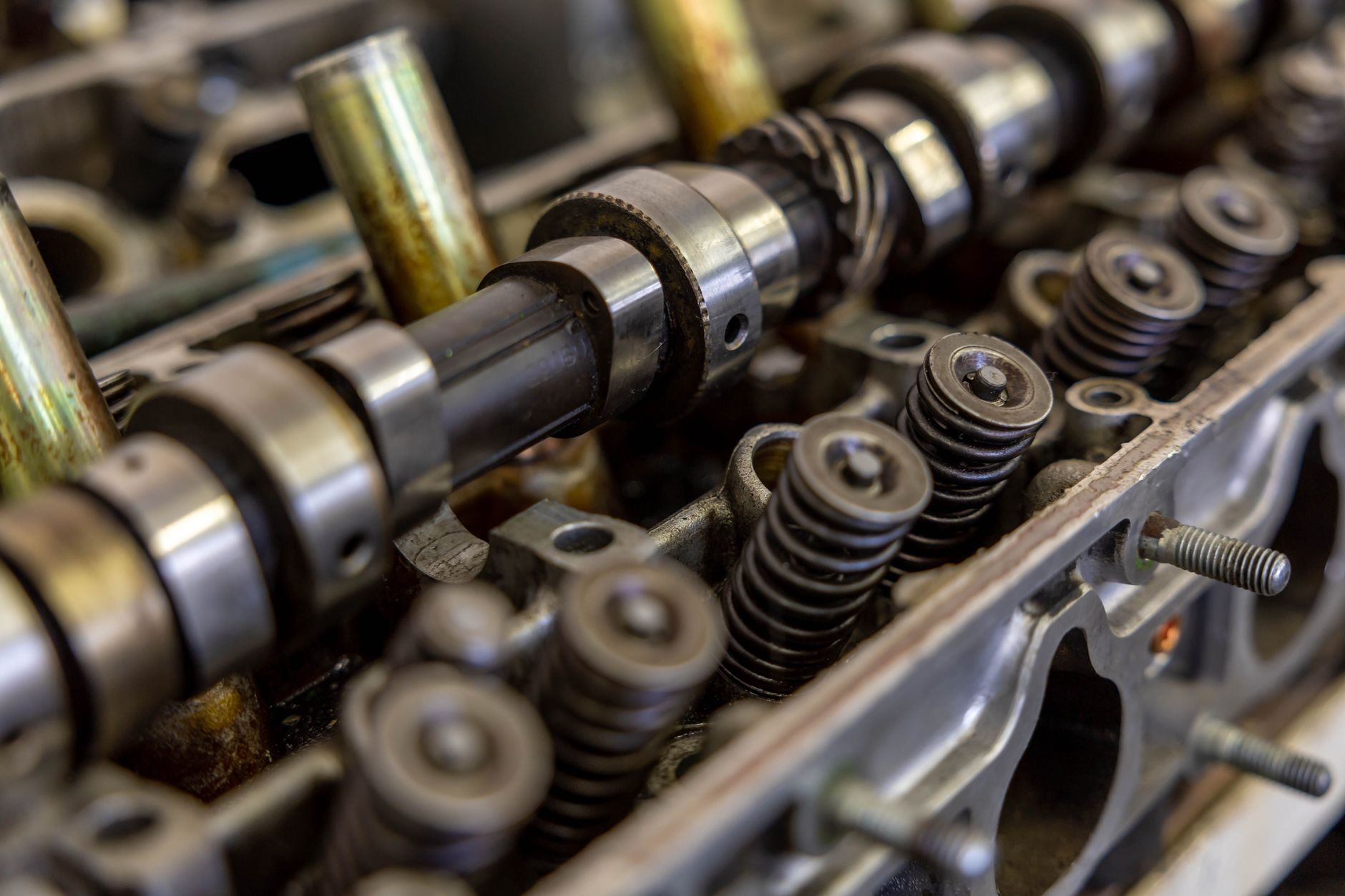
The 6.7L Cummins has always been a torque monster, but 2026 has brought a noticeable shift in how owners are building these trucks. With Ram’s latest HD lineup pushing factory power figures higher than ever—and diesel tech evolving fast—more owners are realizing that the stock camshaft is often the bottleneck holding back real-world performance. Whether you’re towing a fifth-wheel through the Rockies or just want crisper throttle response on your daily commute, finding the best cam upgrade for 6.7 Cummins can transform how your truck drives.
Unlike gas engines where cam swaps are common, diesel camshaft upgrades are still niche—but that’s changing. Aftermarket support has grown significantly over the past two years, with companies like Hamilton Cams, Colt Cams, and D&J Precision Machine offering drop-in and performance-ground options specifically for the 6.7L platform. This guide cuts through the noise to help you pick the right cam for your build goals, budget, and driving style.
Why Upgrade the Camshaft on a 6.7 Cummins?
The factory camshaft in your 6.7 Cummins is designed for emissions compliance, fuel economy, and broad usability—not maximum performance. It works fine for stock applications, but once you add a tuner, larger turbo, or upgraded injectors, the stock cam becomes a limiting factor. Here’s why upgrading matters:
Improved airflow efficiency: A performance camshaft optimizes valve timing and lift, allowing your engine to breathe better at higher RPMs. This is especially noticeable when you’ve upgraded your turbo and need the valvetrain to keep up with increased boost pressure.
Better towing manners: Many aftermarket cams are designed to improve low-end torque and reduce turbo lag. For towing applications, this means less downshifting on grades and more confidence when merging with a heavy load.
Reduced EGTs: By improving combustion efficiency, a well-matched cam can lower exhaust gas temperatures—critical when you’re pushing your truck hard or towing in hot weather.
Support for bigger power goals: If you’re planning to run 600+ horsepower, the stock cam simply won’t cut it. Performance cams are built to handle higher spring pressures and more aggressive timing curves.
That said, cam upgrades aren’t for everyone. If your truck is bone stock and you’re happy with how it drives, this mod won’t deliver dramatic gains. But if you’re already tuned, running a larger turbo, or planning future mods, a camshaft upgrade is one of the smartest investments you can make.
What to Look for in the Best Cam Upgrade for 6.7 Cummins
Not all camshafts are created equal, and choosing the wrong one can actually hurt performance. Here’s what separates a great cam from a mediocre one:
Duration and lift specs: These numbers determine how long the valves stay open and how far they lift off the seat. For street and towing applications, you want moderate duration (typically 180-210 degrees) and moderate lift. Race cams with aggressive specs will hurt low-end torque and make your truck miserable to drive daily.
Intended use: Are you towing, daily driving, sled pulling, or drag racing? Manufacturers design cams with specific powerbands in mind. A cam optimized for 2,500-4,000 RPM will feel gutless in stop-and-go traffic.
Compatibility with your current mods: If you’re running a stock turbo, you don’t want a cam designed for a 70mm single. Match the cam to your turbo size, injector flow rate, and tuning capabilities.
Valvetrain requirements: Some aggressive cams require upgraded valve springs, pushrods, and even pistons with valve reliefs. Factor these costs into your budget.
Emissions compliance: If you live in a state with strict emissions testing, make sure the cam you choose won’t trigger check engine lights or fail inspection. Some cams are 50-state legal; others are for off-road use only.
Top Camshaft Options for 2026
Based on real-world feedback from shops, dyno results, and owner reviews, here are the standout options for different build goals:
Hamilton Cams 178/208 Towing Cam
Hamilton Cams has become the go-to name in the Cummins performance world, and their 178/208 cam is the best all-around choice for most owners. It’s designed specifically for towing and daily driving, with a focus on improving low-end and midrange torque without sacrificing reliability.
Key specs: 178° intake duration, 208° exhaust duration, moderate lift
Best for: Towing, daily driving, mild performance builds
Power gains: 20-30 hp, 40-60 lb-ft torque (when paired with tuning)
Price range: $450-$550
This cam works beautifully with stock or mildly upgraded turbos (up to 64mm) and doesn’t require upgraded valve springs in most applications. Owners report noticeably better throttle response, reduced EGTs while towing, and smoother power delivery across the rev range.
Colt Cams Stage 2
Colt Cams offers a slightly more aggressive option that still works well on the street. Their Stage 2 cam is ideal if you’re running a larger turbo (66mm+) and want more top-end power without completely sacrificing low-end grunt.
Key specs: 184° intake, 212° exhaust duration, higher lift
Best for: Street performance, light towing, weekend warriors
Power gains: 30-45 hp, 50-70 lb-ft torque
Price range: $500-$600
This cam shines in the 2,000-3,500 RPM range, making it perfect for highway passing and spirited driving. It does benefit from upgraded valve springs (add $200-$300) and works best with custom tuning to dial in fueling and timing.
D&J Precision Machine Enforcer Cam
For serious performance builds, the D&J Enforcer cam is a beast. It’s designed for trucks running big singles or compounds, upgraded injectors, and aggressive tuning. This is not a daily driver cam—it’s for competition or high-horsepower street trucks.
Key specs: 190°+ intake, 220°+ exhaust duration, aggressive lift profile
Best for: Sled pulling, drag racing, 700+ hp builds
Power gains: 50-80+ hp depending on supporting mods
Price range: $650-$800
The Enforcer requires upgraded valve springs, pushrods, and often pistons with valve reliefs. It’s not emissions-friendly and will make your truck louder and more aggressive at idle. But if you’re chasing big power numbers, this cam delivers.
Stock Replacement Cam (OEM+)
If you’re rebuilding your engine and just want a fresh stock cam, don’t overlook OEM+ options from companies like Melling or Sealed Power. These are stock-spec cams with improved metallurgy and quality control compared to factory parts.
Best for: Stock rebuilds, warranty-conscious owners
Price range: $250-$350
While you won’t gain power, you’re ensuring reliability and longevity—especially important if your original cam has high mileage or wear.
Installation Tips and Supporting Mods
Swapping a camshaft in a 6.7 Cummins is not a weekend garage project unless you’re an experienced diesel mechanic. Here’s what you need to know:
Labor time: Expect 12-16 hours of shop labor if you’re paying a professional. The cam is buried deep in the engine, requiring removal of the front cover, timing gear, and often the cylinder head.
Supporting mods to consider:
- Upgraded valve springs ($200-$400): Necessary for aggressive cams or high-RPM use
- Chromoly pushrods ($300-$500): Stronger than stock, reduces flex at high lift
- Timing gear set ($150-$250): Fresh gears ensure proper timing and reduce wear
- Custom tuning ($500-$1,000): Essential to optimize fueling and timing for your new cam
Break-in procedure: Follow the manufacturer’s break-in instructions carefully. Most performance cams require specific oil (often high-zinc break-in oil) and a specific RPM range for the first 500 miles.
Common mistakes to avoid:
- Skipping valve spring upgrades on aggressive cams (leads to valve float and engine damage)
- Not retuning after installation (you’re leaving power on the table and risking drivability issues)
- Choosing a cam too aggressive for your turbo setup (results in laggy, gutless performance)
Final Thoughts: Choosing the Right Cam for Your Build
The best cam upgrade for 6.7 Cummins depends entirely on your goals, budget, and how you use your truck. For most owners—especially those towing or daily driving—the Hamilton Cams 178/208 is the sweet spot. It delivers noticeable improvements in torque, throttle response, and EGT management without requiring a laundry list of supporting mods.
If you’re building a weekend warrior or competition truck, step up to the Colt Stage 2 or D&J Enforcer, but be prepared to invest in the full package: springs, pushrods, tuning, and possibly pistons.
Whatever you choose, don’t cheap out on installation or tuning. A cam swap is a significant investment, and cutting corners will cost you more in the long run. Work with a reputable diesel shop, get a custom tune, and enjoy the transformation in how your Cummins performs.
The 6.7L platform has never had better aftermarket support, and 2026 is the perfect time to unlock your truck’s true potential. Whether you’re hauling heavy or just want a more responsive daily driver, the right camshaft upgrade will remind you why you fell in love with diesel power in the first place.