
The Best Turbo Kit for 3.5 EcoBoost Daily Driving: 2026's Reliability-First Buyer's Guide
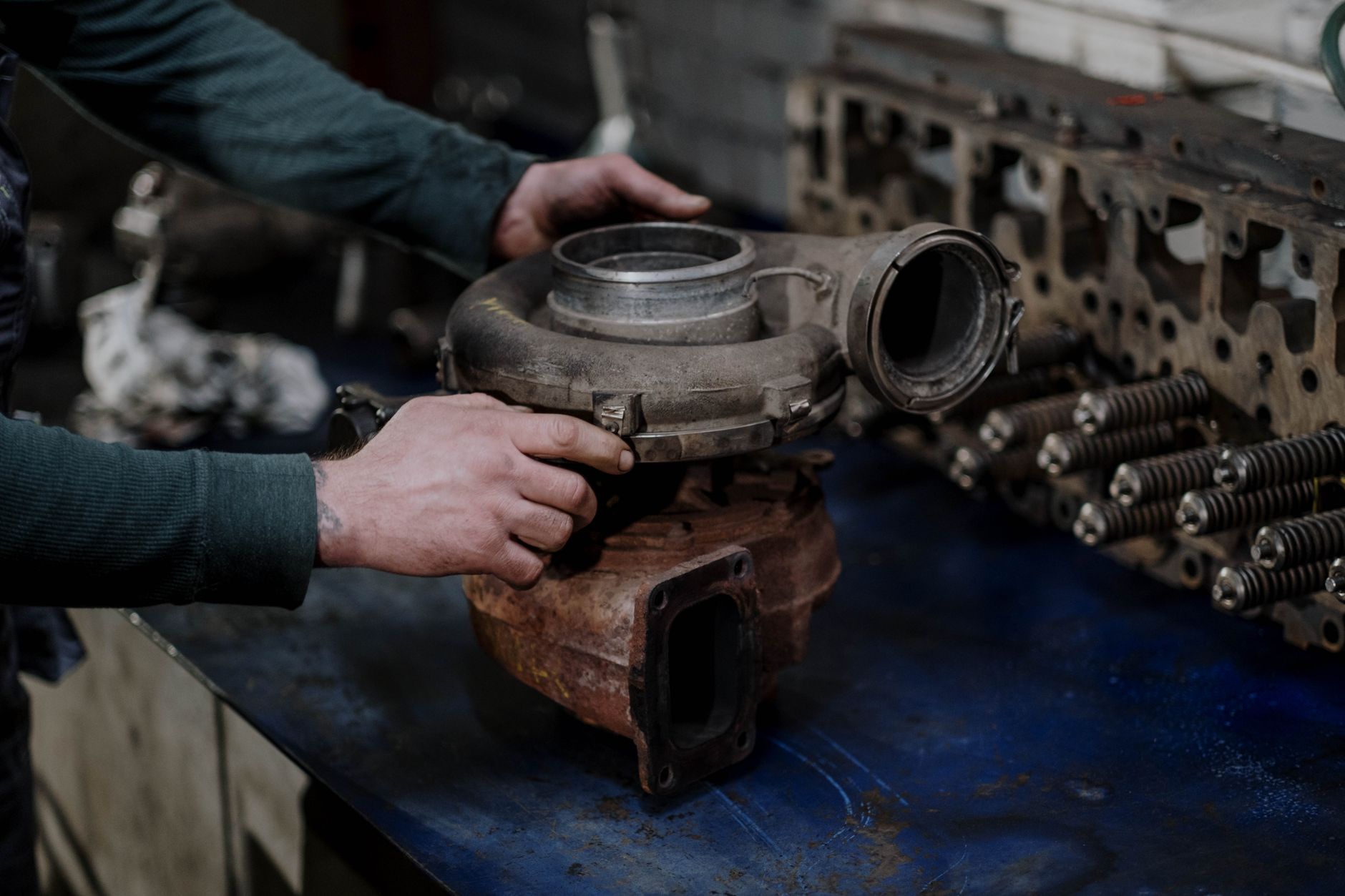
The 3.5 EcoBoost has officially entered its second decade of production, and something interesting is happening in 2026: the aftermarket has matured past the “max boost, consequences be damned” phase. With Ford’s twin-turbo V6 now powering everything from work trucks to family haulers—and with the 2027 model year rumored to bring revised turbo mapping—the focus has shifted toward sustainable, daily-drivable power.
If you’re searching for the best turbo kit for 3.5 EcoBoost daily driving, you already know the stock turbos run out of breath around 18 psi and start generating heat soak in summer traffic. But you also know that a 700-horsepower race kit makes about as much sense as a snowplow in Miami. The sweet spot lies in turbo systems that deliver 30-50% more airflow while maintaining factory reliability, cold-start manners, and—crucially—your warranty-friendly boost thresholds.
This guide cuts through the marketing fluff to identify which turbo upgrades actually make sense for trucks that see grocery runs, highway commutes, and occasional towing duty.
Why Stock Turbos Fall Short for Daily Drivers
Ford’s stock 3.5 EcoBoost turbos—whether the early BorgWarner K03s or the newer Garrett GT1549s—are engineering marvels of packaging. They spool by 1,500 RPM and provide that immediate low-end torque that makes these trucks feel lighter than they are. However, they’re sized for emissions compliance and fuel economy, not sustained power.
The limitations become apparent around 3,500 RPM. The stock turbines create backpressure that forces the ECU to pull timing, resulting in that familiar “falling on its face” feeling during highway passing. More critically for daily drivers, the stock units generate excessive heat when asked to maintain boost in hot weather or while towing. This heat saturates the intercooler, triggers knock sensors, and forces the ECU into protective mode—reducing power exactly when you need it.
The 2026 reality: Modern replacement turbos now feature Inconel turbine wheels and 360-degree thrust bearings that handle sustained boost better than the 2011-2020 factory units. If you’re driving a higher-mileage EcoBoost (100,000+ miles), upgrading the turbos often restores lost efficiency rather than just adding power.
Bolt-On vs. Big Turbo: Understanding Your Options
When evaluating the best turbo kit for 3.5 EcoBoost daily driving, you’ll encounter three distinct categories. Choosing the wrong one for your use case is the fastest way to turn a reliable truck into a temperamental garage queen.
Stage 1: Direct Replacement Hybrids (Best for Warranty-Conscious Drivers)
These kits utilize your stock turbo housings but machine them to accept larger compressor wheels (typically 46-52mm inducers) and upgraded turbine wheels. Brands like Pure Turbos and Turbo Lab offer “drop-in” solutions that maintain factory oil and coolant lines.
Real-world gains: 40-60 wheel horsepower with supporting mods (intercooler, downpipes). Boost threshold remains around 1,800 RPM, so you won’t notice lag in traffic. These kits typically run $1,800-$2,500 per pair and can often be installed without removing the cab—a significant labor savings.
Stage 2: Bolt-On Frame Upgrades (The Daily Driver Sweet Spot)
This category includes complete turbo replacements like the Garrett PowerMax series or Full-Race’s “Daily Driver” kit. These feature larger CHRA (center housing rotating assembly) units with ball-bearing cartridges instead of journal bearings.
Why they matter for daily driving: Ball-bearing turbos spool 15-20% faster than journal-bearing equivalents, meaning you get power at 1,400 RPM instead of 1,800 RPM. For a truck that sees stop-and-go traffic, this eliminates the “dead pedal” feeling when pulling away from lights. Expect 80-120 wheel horsepower gains with proper tuning.
Critical consideration: These require 3-bar MAP sensors and custom tuning. Budget $3,500-$5,000 installed, including the necessary fuel system upgrades (usually just a low-pressure fuel pump for 93 octane).
Stage 3: Big Single or Compound Setups (Avoid for Daily Use)
While tempting, kits promising 600+ horsepower typically use 67mm+ turbos that don’t achieve full boost until 3,000 RPM. For a daily driver, this creates a miserable driving experience: no power when merging, then a violent shove when the turbos finally light. These kits also require built transmissions, upgraded fuel systems (port injection or auxiliary pumps), and often sacrifice AC functionality due to intercooler piping routing.
Top Turbo Kit Recommendations for 2026
Based on current dyno data, installer feedback, and long-term reliability reports, these three kits represent the best turbo kit for 3.5 EcoBoost daily driving across different budgets.
1. Pure Turbos Stage 2 “S550” Drop-In
Best for: 2015-2020 F-150 owners wanting stealth performance
Pure’s billet compressor wheels (11-blade design) reduce compressor surge—a common issue with stock turbos when letting off the throttle quickly. The $2,200 price point includes new actuator calibration, and the kit retains factory heat shields. Recent 2026 revisions include upgraded turbine housing coatings that reduce underhood temps by 40°F compared to 2024 models.
Daily driving impression: Throttle response remains stock-like below 2,000 RPM, but the mid-range punch (2,500-4,500 RPM) transforms highway merging. No additional drone or whistle inside the cabin.
2. Garrett PowerMax GT2260S
Best for: 2021+ F-150s and Raptors needing towing capability
Garrett’s dual ball-bearing CHRA and aerodynamically optimized turbine housing make this the premium choice. The kit includes water-cooled bearing housings—critical for daily drivers that see hot shutdowns after highway runs. Garrett rates these for 700 horsepower, but they shine at 450-500 whp levels where they maintain 22-24 psi without heat soaking.
Installation note: Requires catless downpipes or high-flow catted pipes to realize full potential. Factor in an additional $800-$1,200 for exhaust modifications.
3. Full-Race “Street” Twin Turbo Kit
Best for: Enthusiasts wanting OEM+ fitment with headroom
Full-Race’s kit uses BorgWarner EFR 7163 turbos with Gamma-Ti turbine wheels (titanium aluminide). These spool like stock but flow like much larger units. The $4,800 price tag includes stainless steel oil feed lines and a 3-year warranty—unheard of in the turbo world.
The daily advantage: The EFR’s integrated blow-off valve eliminates the need for aftermarket BOVs that often cause idle issues on the EcoBoost platform. The kit also maintains factory airbox compatibility if you prefer stealth over intake noise.
Supporting Mods You Can’t Skip
Installing the best turbo kit for 3.5 EcoBoost daily driving without supporting modifications is like buying running shoes for a marathon but skipping training. The EcoBoost platform is particularly sensitive to heat management.
Essential upgrades:
- Front-mount intercooler: The stock unit heat soaks at 15 psi; upgraded turbos will push 20+ psi. A CVF Titan or Full-Race intercooler drops intake temps by 60-80°F.
- Downpipes: Even with stock exhaust manifolds, 3-inch downpipes reduce backpressure by 30%, allowing the turbos to spool faster and run cooler.
- Spark plugs: One step colder (NGK 95605 or equivalent) gapped to 0.026-0.028 inches. The stock plugs misfire under increased cylinder pressure.
- Catch can: The EcoBoost’s direct injection suffers from carbon buildup; increased boost exacerbates oil vapor ingestion. A UPR dual-valve catch can is mandatory for long-term reliability.
Tuning consideration: Avoid “canned” tunes for turbo upgrades. The 3.5 EcoBoost’s torque-based ECU requires custom calibration to prevent transmission slip. Budget $600-$900 for a reputable remote tuner (Lund, Brew City Boost, or Gearhead) who can adjust torque limits and boost by gear settings.
Making the Right Choice for Your Commute
Selecting the best turbo kit for 3.5 EcoBoost daily driving ultimately depends on your annual mileage and towing frequency. If you tow a 7,000-pound trailer monthly, the Garrett PowerMax’s thermal management justifies its premium. For pure street use with occasional spirited driving, the Pure Turbos drop-ins offer the best value proposition.
The 2026 landscape: With Ford’s new 7.3L Godzilla V8 gaining popularity in the aftermarket, EcoBoost parts prices have actually dropped 10-15% this year as manufacturers compete for market share. This makes Q4 2026 an ideal buying window.
Final recommendation: Start with a compression test and boroscope inspection before ordering any turbo kit. The 3.5 EcoBoost’s timing chain phasers and cam followers wear significantly after 80,000 miles; adding boost to a tired engine accelerates failure. If your truck checks out mechanically, the Garrett PowerMax represents the best balance of OEM reliability and meaningful performance gain for a daily-driven EcoBoost.
Your commute doesn’t have to be boring—but it shouldn’t require a tow truck either. Choose wisely, tune conservatively, and enjoy the boost.