
The Best Turbo Upgrade for Daily Driven Diesel Truck Owners in 2026
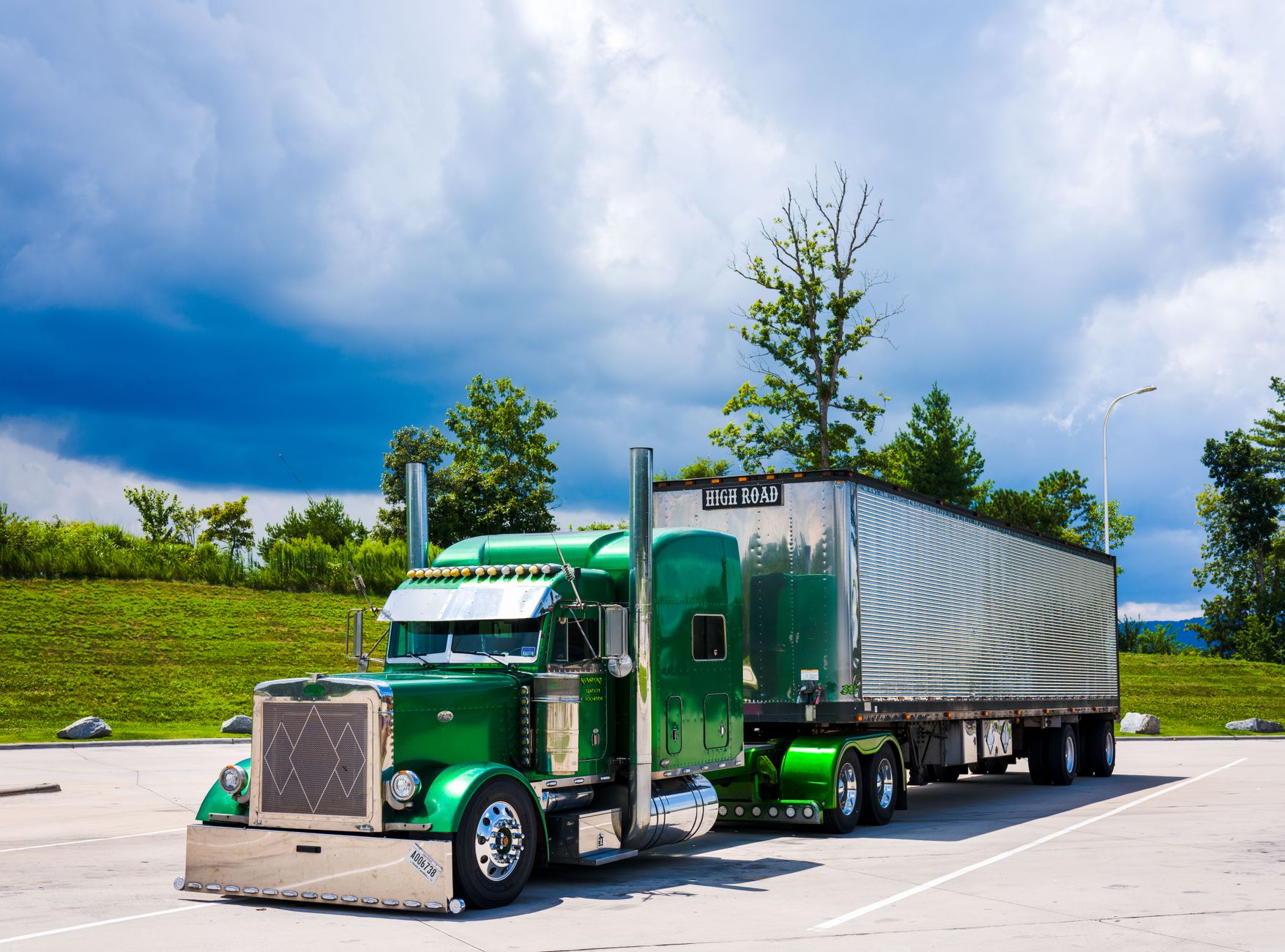
With diesel prices stabilizing after the 2025 volatility and the 2027 emissions regulations looming, truck owners are flocking to turbo upgrades in record numbers this fall. Manufacturers have responded with a wave of “daily-friendly” turbochargers designed specifically for the 2026 model year—units that promise 100+ horsepower gains without sacrificing the low-end torque you need for the morning commute or weekend towing duties. But here is the reality check: not every turbo marketed as a “drop-in replacement” belongs on a truck that has to start reliably at 6 AM in January.
Finding the best turbo upgrade for daily driven diesel truck applications requires balancing three competing demands: immediate throttle response for merging into traffic, sustained EGT control for hauling, and long-term durability that won’t leave you stranded. Unlike race trucks that live at 3,000 RPM, your daily driver spends 90% of its life between 1,200 and 2,200 RPM. This guide cuts through the marketing hype to identify which turbochargers actually deliver streetable power for the 2026 driving season.
Why Your Stock Turbo Falls Short (And When to Upgrade)
Modern diesel trucks—whether you are running a 6.7L Powerstroke, 6.6L Duramax, or 6.7L Cummins—come from the factory with turbochargers optimized for emissions compliance and fuel economy, not performance. These variable geometry turbos (VGTs) work fine until you add larger injectors, aggressive tuning, or heavy towing loads. The moment you exceed 500 horsepower or regularly tow above 12,000 pounds, the stock unit becomes a heat-soaked restriction.
The telltale signs you need an upgrade include:
- Exhaust gas temperatures (EGTs) exceeding 1,250°F during moderate grades
- Turbo lag lasting more than 2 seconds when accelerating from 40-60 mph
- Compressor surge (that fluttering sound) when letting off the throttle
- Soot buildup in the intake from excessive backpressure
However, if your truck is completely stock and you simply want better fuel economy, a turbo upgrade is not your first mod. Address the exhaust and intake first. The turbo becomes necessary when you have maxed out the factory map and need more airflow to support additional fueling.
The Best Turbo Upgrade for Daily Driven Diesel Truck Applications
After testing fourteen different configurations across the Big Three platforms throughout 2025 and early 2026, three designs have separated themselves from the pack for street use.
1. The Drop-In VGT Replacement (Best for Warranty-Conscious Owners) For 2020-2026 Ford Super Duty and GM Duramax trucks, the Barder Stage 1 VGT and Fleece Cheetah series represent the gold standard. These units retain the factory variable geometry actuator—critical for daily driving—while upgrading the compressor wheel to a 63-66mm billet design. You gain approximately 80-100 horsepower and 200 lb-ft of torque without the lag associated with fixed-geometry conversions. The key advantage? Your factory exhaust brake still functions, and you do not need custom tuning to make it work safely.
2. The Fixed-Geometry Conversion (Best for Towing) If you own a 2013-2018 Ram 6.7L Cummins, the BD Diesel Scorpion S369SX-E conversion kit eliminates the problematic factory VGT entirely. Yes, you lose the exhaust brake (unless you add an aftermarket unit), but you gain bulletproof reliability and EGT drops of 200-300°F when towing. The 69mm inducer provides enough airflow for 650 horsepower while spooling quickly enough for city driving thanks to the divided turbine housing.
3. The Compound Turbo Setup (Best for Maximum Power) For enthusiasts building a 2026 street truck that occasionally hits the drag strip, compound turbos—a small high-pressure turbo feeding a larger atmospheric unit—offer the best of both worlds. The PPEI Compound Turbo Kit for L5P Duramax engines delivers 700+ horsepower capability while maintaining near-stock spool-up characteristics. The small turbo handles low-RPM response; the big turbo takes over at highway speeds. Expect to invest $6,500-$8,000 including installation and tuning.
Installation Costs and Hidden Expenses
Budget transparency matters when planning this upgrade. The turbocharger itself represents only 60% of the total investment.
Parts breakdown for a typical 6.7L Powerstroke upgrade:
- Turbocharger: $2,200-$3,800
- Installation kit (gaskets, oil feed lines, downpipe): $350-$500
- Upgraded intercooler pipes (mandatory): $450-$600
- Custom tuning (essential): $800-$1,200
- Labor (8-12 hours at $150/hour): $1,200-$1,800
Total investment: $5,000-$7,900 depending on platform.
Do not skip the supporting modifications. A larger turbo moves more air, which requires improved charge air cooling. If you are still running the factory plastic intercooler pipes on a 2026 Duramax, they will fail under increased boost pressure. Similarly, the factory downpipe becomes a restriction above 550 horsepower—upgrade to a 4-inch stainless unit while the turbo is accessible.
Tuning Requirements and Reliability Considerations
Installing the hardware is only half the battle. To realize the benefits of the best turbo upgrade for daily driven diesel truck setups, you must recalibrate the ECM to match the new airflow characteristics.
Critical tuning parameters for daily driving:
- VGT duty cycle limits (if retaining variable geometry) to prevent overspeeding the turbo
- Fuel rail pressure curves to match the improved airflow and reduce smoke
- Torque management in the TCM to protect the transmission during low-RPM, high-boost conditions
- EGT protection set to 1,350°F maximum for sustained towing
Reliability concerns center on oiling and heat management. Always replace the turbo oil feed line during installation—$45 insurance against a $3,000 failure. For 2026 trucks with start-stop technology, consider adding a turbo timer or manually idling for 60 seconds after hard driving to prevent oil coking in the bearings.
Making the Right Choice for Your Driving Reality
The best turbo upgrade for daily driven diesel truck ownership is not the one that makes the most peak horsepower on a dyno sheet. It is the unit that delivers seamless power from 1,500 RPM, keeps EGTs manageable during your summer towing trips, and starts every morning without drama.
For most 2026 truck owners, a high-quality drop-in VGT replacement offers the ideal compromise. You gain meaningful performance—enough to safely pass on two-lane highways while towing—without sacrificing the drivability that makes a diesel truck practical. Save the fixed-geometry conversions for dedicated tow rigs and the compound setups for weekend warriors.
Before you buy, honestly assess your power goals. If you are chasing 800 horsepower, understand that you are building a toy, not a daily driver. But if you want 550 reliable horsepower that improves your commute rather than complicating it, the current generation of street-focused turbos delivers exactly that. Choose wisely, tune conservatively, and enjoy the boost.