
Truck Leveling Kit vs Lift Kit Towing Impact: What 2026 HD Owners Need to Know
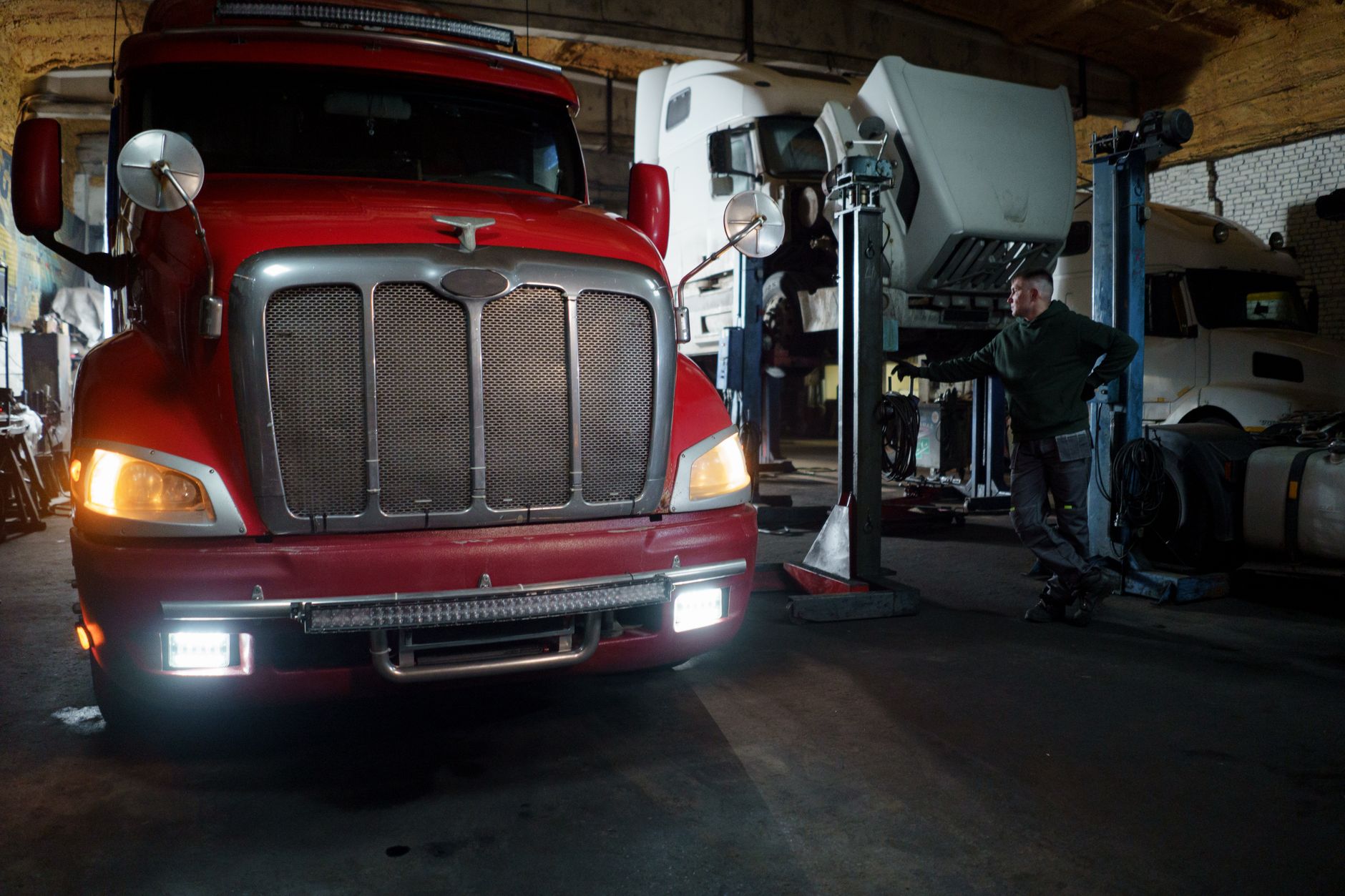
With 2026 HD trucks rolling off lots with factory tow ratings pushing 35,000+ pounds, the aftermarket suspension game has shifted dramatically. Owners aren’t just asking which looks better—they’re hauling fifth-wheel campers, equipment trailers, and flatbeds that max out their GVWR. The real conversation in shop bays and forum threads right now? How your choice between a truck leveling kit vs lift kit towing impact actually changes what you can safely pull, how your trailer behaves, and whether that weekend upgrade turns into a Monday morning regret.
The Geometry Problem Nobody Talks About
Here’s where most buyers get tripped up. Lift and leveling kits don’t just change ride height—they rewrite your truck’s suspension geometry, and that directly affects towing performance in ways the marketing brochures skip over.
Leveling kits typically add 1.5 to 2.5 inches to the front, bringing your nose up to match the factory rear rake. This sounds harmless, but that change alters your hitch point relationship. On a 2026 Silverado 2500HD with the factory tow package, a 2-inch level can shift your receiver height by roughly 1.5 inches after accounting for rear squat under load. For bumper-pull trailers, this means your tongue weight distribution shifts rearward, potentially unloading your front axle by 200-400 pounds depending on trailer geometry.
Lift kits—especially 4- to 6-inch systems with new control arms and knuckles—compound this exponentially. Your hitch point rises significantly, creating a nose-down trailer attitude that amplifies sway, reduces tongue weight effectiveness, and in extreme cases, can cause trailer brakes to lock unevenly. One 2026 F-250 owner I spoke with at a Midwest truck meet learned this the hard way: his 6-inch lift with 37s had his 10,000-pound equipment trailer sitting at a 4-degree downward angle. The trailer brakes dragged constantly, and his WDH (weight distribution hitch) couldn’t compensate enough to restore proper axle loading.
The critical number to track is your hitch height at loaded ride height, not static. Measure with your intended trailer attached, tanks full, gear loaded. Compare that to your trailer’s coupler height spec. If you’re off by more than 2 inches in either direction, you’re entering compromised territory.
Driveline Angles and Power Delivery
Beyond hitch geometry, the truck leveling kit vs lift kit towing impact extends deep into your drivetrain. This is where the distinction between spacer-leveling kits and complete suspension systems becomes crucial.
Spacer-style leveling kits maintain factory control arm angles and CV shaft geometry on IFS trucks. Towing impact is minimal for moderate loads—think 8,000-pound bumper pulls or lighter fifth-wheels. However, on 2026 Ram 2500s with the new high-output Cummins, spacer kits can create subtle coil spring bind under max GVWR conditions. The factory coils are already tuned for that heavy diesel; adding preload without rate adjustment changes the load curve.
Full lift kits with replacement control arms, drop brackets, or four-link conversions actually restore proper angles at increased ride height. Quality systems from Carli, Icon, or BDS engineer their geometry specifically to maintain factory-like driveline behavior. The trade-off? Cost and complexity. A proper 4-inch towing-specific lift runs $4,000-7,000 installed versus $400-800 for a basic spacer level.
For diesel owners specifically, watch your pinion angle. On lifted trucks with single-piece driveshafts, excessive angle creates vibration under load that accelerates U-joint wear. Split the difference with a carrier bearing drop or consider a two-piece shaft conversion if you’re committed to 6+ inches and heavy towing.
Payload and GVWR: The Numbers Game
This is where fantasy meets DOT scales. Every modification adds weight, and that weight subtracts directly from your available payload.
A typical 2-inch aluminum spacer leveling kit? Maybe 5-10 pounds—negligible.
A 6-inch lift with replacement coils, control arms, extended shocks, and larger tires? Easily 150-300 pounds over stock, depending on wheel choice. Switching from factory 18s to 20x12s with 35-inch mud tires can add 80-120 pounds per corner. That’s 320-480 pounds of rotating mass and unsprung weight before you touch the suspension itself.
On a 2026 GMC Sierra 2500HD with a 3,500-pound payload rating, burning 600+ pounds on rolling stock and lift components leaves you dangerously thin for real-world towing. Add a 200-pound fifth-wheel hitch, 150 pounds of bed tools, and a passenger—your 15,000-pound fifth-wheel with 20% pin weight (3,000 pounds) puts you over GVWR before fuel and gear.
Practical tip: Weigh your truck post-modification at a CAT scale. Compare against your door jamb GVWR and GAWRs. If your rear axle is already near max with just the hitch installed, that “capable” truck is legally and mechanically compromised.
Brake Performance and Stopping Distance
Larger tires—the almost-universal companion to lift kits—destroy brake leverage. It’s simple physics: your brake caliper has fixed piston force, but that force acts at an increased radius with taller tires.
Stock 2026 Super Duty tires run approximately 33.5 inches diameter. Jump to 37s, and your effective brake torque drops by roughly 9%. That doesn’t sound catastrophic until you’re descending a 6% grade with 15,000 pounds pushing you, or making an emergency stop on rain-slicked interstate.
Compensating requires brake upgrades: larger rotors, multi-piston calipers, or at minimum, performance pads and vented rotors. Budget $800-2,500 for meaningful improvement. Without it, you’re accepting longer stopping distances and accelerated brake fade—non-negotiable compromises when towing near limits.
Leveling kits typically preserve stock or near-stock tire sizes, maintaining factory brake performance. This alone makes them the pragmatic choice for owners whose trucks work hard consistently.
Making the Right Call for Your Use Case
So where does this leave the 2026 HD owner deciding between truck leveling kit vs lift kit towing impact?
Choose a leveling kit if: You tow regularly near GVWR/GCWR limits, prioritize warranty preservation, need maximum payload retention, and want minimal drivetrain compromise. The 1.5-2.5 inch correction cures the factory rake aesthetic while keeping your truck fundamentally a truck.
Choose a lift kit if: You understand and accept the engineering trade-offs, tow occasionally or well below max ratings, invest in complementary upgrades (brakes, gears, driveline), and select a towing-specific system with corrected geometry. Avoid spacer lifts on heavy tow rigs; the geometry and spring rate compromises aren’t worth the savings.
The hybrid approach gaining traction in 2026: Several shops are offering “tow-rated” 3-inch systems—essentially conservative lifts with drop brackets, progressive-rate coils, and retained factory-length shocks. These split the difference aesthetically while engineering for loaded performance. Expect $2,500-4,000 for quality execution.
Conclusion
The truck leveling kit vs lift kit towing impact debate isn’t about which looks better in the parking lot—it’s about whether your modified truck can still perform the job you bought it for. As 2026 HD trucks push factory capability to unprecedented levels, the margin for suspension error shrinks. That 6-inch lift on 37s might turn heads, but if it turns your 35,000-pound tow rating into a 22,000-pound practical limit with sketchy braking and white-knuckle sway, you’ve made the wrong upgrade.
Measure your loaded geometry. Weigh your modified rig. Be honest about your towing frequency and loads. The best suspension choice is the one that lets you hook up confidently, knowing your truck will behave predictably when the trailer gets heavy, the wind picks up, and the grade steepens. Sometimes the smartest “mod” is restraint.